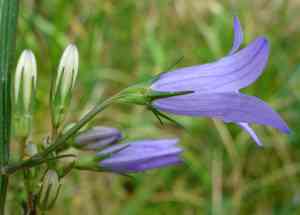
Rampion (Campanula rapunculus)
Also known as: Rover bellflower
Rapunzel, also known as rampion (Campanula rapunculus), is a biennial herb that inspired the name of the famous Brothers Grimm fairy tale "Rapunzel." Native to Eurasia and northern Africa, it thrives in dry meadows and forests. Its edible root and leaves are used similarly to radishes and spinach.
In This Article
Attributes of Rampion
Lifespan
Biennial, Perennial
Plant Type
Herb
Plant Height
61 cm to 91 cm
Spread
90 cm
Leaf Color
Green
Flower Size
2-4 cm
Flower Color
Purple Blue Violet
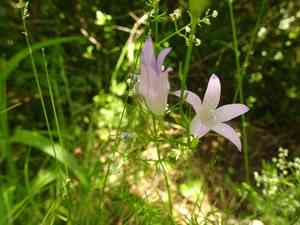
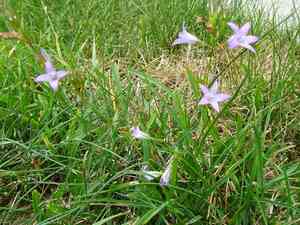
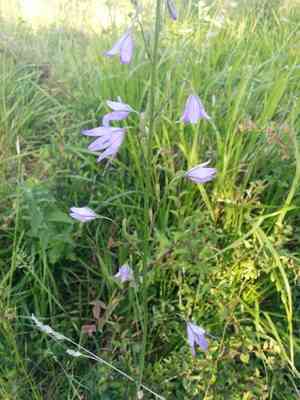
Images of Rampion
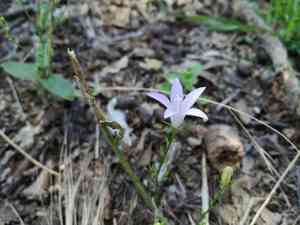
Quickly Identify Rampion
1
Rampion Bellflower can be identified by its tall, slender stem, alternate leaves, and clusters of bell-shaped flowers that are typically purple or blue. The flowers have a five-lobed corolla and are often nodding.
Scientific Classification of Rampion
Phylum
Vascular plants
Class
Dicotyledons
Order
Asterales
Family
Bellflower
Genus
Bellflowers
Species
Rampion
Planting and Growing of Rampion
Care Difficulty
Easy
Watering Schedule
Every 4 days
Sunlight Requirements
Full sun
Sunshine Duration
4-8 hours
Ideal Temperature
60-75℉
Soil Type
Potting Mix, Peat Mix
Soil pH
6.5-7.5
Fertilizer Type
Balanced
Pruning Season
Spring, Summer
Pruning Area
Branches, Leaves
Pruning Frequency
2 times a year
Repotting Season
Spring
Pot Type
Plastic, Terracotta
 How to Water Rampion?
When watering Campanula rapunculus, ensure the soil is evenly moist without becoming waterlogged. Water with approximately 250 ml, enough to soak through the root zone while avoiding stagnant water, ensuring excess water drains well.
What are the symptoms of an underwatered Rampion?
›
What should I do if my Rampion is not getting enough water?
›
What are the symptoms of an overwatered Rampion?
›
How to save an overwatered Rampion?
›
 What Are the Sunlight Requirements for Rampion?
Campanula rapunculus thrives best in full to partial sunlight. Having this light range ensures the plant receives enough energy for photosynthesis, fostering healthy growth, abundant blooms, and robust disease resistance.
More About Sunlight Requirements Techniques→
What type of sunlight does Campanula rapunculus prefer?
›
How can I ensure Campanula rapunculus gets its ideal lighting conditions?
›
What benefits does Campanula rapunculus gain from ideal lighting?
›
 What Is the Ideal Temperature Range for Rampion?
The ideal temperature range for Campanula rapunculus is between 60°F and 75°F. This range provides optimal conditions for photosynthesis and metabolic processes, allowing the plant to thrive and exhibit healthy growth. Maintaining this temperature helps ensure robust foliage and consistent blooming patterns.
 What Soil is Best for Rampion?
Campanula rapunculus thrives in well-drained soil, which ensures roots have access to necessary oxygen and prevents root rot. This kind of soil maintains the right balance of moisture, which is crucial for the plant to grow healthily. Providing nutrient-rich soil is essential for the robust growth of Campanula rapunculus. The nutrients support the plant in developing lush foliage and vibrant flowers, contributing to its overall health and visual appeal. The plant prefers soil that maintains moderate moisture levels. This prevents the soil from becoming too dry or too soggy, both conditions which can stress the plant and hinder its growth.
 How to Fertilize Rampion?
For Campanula rapunculus, use a balanced 10-10-10 or 20-20-20 fertilizer. When using liquid fertilizer, apply at half the recommended rate on the package. Limiting the concentration ensures the plant absorbs nutrients effectively without risking root burn.
 How to Prune Rampion?
Begin by locating any dead or diseased stems and cutting them back to the base. This helps the plant focus energy on productive growth and reduces the risk of diseases spreading through your Campanula rapunculus. After removing unhealthy stems, shape the plant by selectively trimming branches that cross over or grow too close together. This increases air circulation, reducing the risk of fungal issues and promoting a beautifully shaped plant. Deadhead spent flowers by snipping the stem below the flower head. This encourages Campanula rapunculus to produce more blooms rather than expending energy on seed production. It'll keep your parterre looking vibrant longer. Once pruned, give the plant some time to respond and show new growth. Continuously observe its condition to track its health and respond to any issues promptly by adjusting your pruning strategy as needed.
More About Pruning Techniques→
 How to Propagate Rampion plant?
1
Collect ripe Campanula rapunculus seeds from existing plants or purchase from a reputable supplier. Clean the seeds thoroughly and consider a stratification process to enhance germination rates, mimicking natural winter conditions.
2
Fill trays with a light, well-draining seed-starting mix. Sow seeds evenly and cover them with a thin layer of mix. Water gently and place in a location with indirect sunlight. Maintain a consistent temperature of 15-20°C (59-68°F).
3
Select mature plants for division. Carefully dig up the plant and split the root clump into several sections, ensuring each has healthy roots and shoots. Replant each section promptly to minimize transplant shock.
 How to Repot Rampion plant?
1
Campanula rapunculus should be repotted when you notice roots emerging from the drainage holes, the soil is drying out faster than usual, or growth has noticeably slowed. These signs indicate that the plant may be root-bound or that the soil has depleted its nutrients, necessitating a fresh, well-aerated environment for healthy growth.
2
Select a pot that's only slightly larger than the current one, with ample drainage holes to prevent waterlogged roots. Opting for a clay pot can help regulate soil moisture as it allows for air exchange, which benefits the health of the plant by preventing root rot.
3
A mix with excellent drainage properties is ideal, such as sandy loam. This kind of soil prevents water from accumulating at the roots while still providing sufficient nutrients and support for Campanula rapunculus, promoting robust and vibrant growth.
Learn More About Rampion Diseases
Anthracnose
Bacterial Leaf Spot
Bacterial Soft Rot
Bacterial Wilt
Crown Gall
Cyst Nematode
Damping-off
Downy Mildew
Drought Stress
Fusarium Wilt
Gray Mold
Leaf Spot
Mosaic
Nutrient Deficiency
Nutrient Toxicity
Powdery Mildew
Root Rot
Root-knot Nematode
Rusts
Sooty Mold
Spider Mites
Temperature Stress
Thrips Damage
White Mold



