How to Prune Rampion?
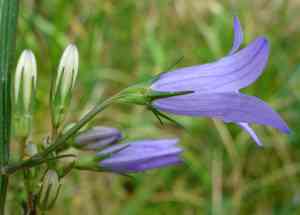
This attractive perennial, known for its bell-shaped blossoms, benefits from consistent deadheading to stimulate further flowering. Remove faded blooms by cutting the stem directly above the subsequent lower leaf cluster or an emerging side flower bud. For routine seasonal maintenance, trim the stalks down to the basal leaves in late spring, following the blooming period, to encourage a tidy appearance and fresh development. Strategic trimming throughout spring and summer enhances the plant's vitality and blooming intensity. Correct methods preserve its visual appeal and guarantee abundant future flowers.
What Are the Benefits of Pruning Rampion?
What Are the Benefits of Pruning Rampion?
Trimming rampion encourages robust development and maintains its form, leading to a compact, thriving plant with enhanced visual appeal. It can promote more abundant blooms and foliage, while also decreasing disease risk by improving air circulation.
What Is the Best Time for Pruning Rampion?
What Is the Best Time for Pruning Rampion?
Pruning rampion in late spring and early summer coincides with the plant's post-flowering stage. Rampion typically flowers in spring, and trimming immediately after this period allows for the removal of faded blossoms, which can stimulate a second bloom in certain varieties. Additionally, this timing aids in shaping the plant for the upcoming season without disrupting its growth cycle. Pruning in late spring minimizes the chance of frost damage to new growth initiated by cutting. Early summer pruning ensures the plant has ample time to recover and produce new shoots before autumn and winter. It's also an opportune moment to thin out any dense foliage to enhance air circulation, thereby reducing the risk of fungal diseases. The plant's energy during this phase is directed towards growth, making it the most resilient period for post-pruning recovery.
What Tools Do I Need to Prune Rampion?
Hand Pruners
Perfect for removing spent flowers and shaping rampion. They enable precise cuts without harming adjacent stems or leaves.
Pruning Shears
Useful for cutting back rampion to maintain plant health and foster denser growth. Their sharp blades ensure clean cuts that help prevent disease.
Garden Scissors
Excellent for snipping off faded flowers or leaves from rampion, as they provide accuracy for slender or crowded stems.
Bypass Pruners
Ideal for making clean cuts on rampionâs living growth. Their blades glide past each other like scissors, minimizing damage to the remaining stems.
How to Prune Rampion
Sterilize Tools
Before beginning, sanitize pruning tools with rubbing alcohol or a bleach solution to prevent the spread of disease.
Remove Diseased Leaves
Carefully snip off any diseased leaves from rampion at their base, ensuring not to harm healthy surrounding foliage.
Cut Back Withered Leaves
Identify and trim withered leaves of rampion to the base of the leaf stem, boosting plant vigor and aesthetic appeal.
Prune Diseased Stems
Locate and prune any diseased stems on rampion, cutting them down to the base or to a healthy section, ensuring clean cuts to aid healing.
Disinfect
After pruning, re-disinfect the tools and properly dispose of all removed plant material to prevent disease recurrence.
Common Pruning Mistakes with Rampion
Overpruning
Removing excessive foliage can stress rampion and impede its ability to photosynthesize and grow healthily.
Improper Cut Location
Cutting too far from a leaf node or bud can result in unsightly dead stubs, while cutting too close can damage the emerging buds.
Using Dull Tools
Blunt pruning tools can damage the stems of rampion, leading to ragged cuts that make the plant vulnerable to disease.
Ignoring Disease Prevention
Failing to sanitize pruning tools before and after use can spread disease between plants.
Pruning Without Plan
Random or excessive cutting can result in a misshapen plant and may remove buds that would have produced flowers.
Common Pruning Tips for Rampion
Clean Cuts
Use sharp, sanitized pruning shears to make clean cuts on rampion that will heal quickly, reducing the risk of disease.
Cut Above Leaf Nodes
Prune just above leaf nodes to encourage new growth. This allows rampion to maintain its natural shape and produce more foliage and flowers.
Remove Dead Material
Regularly removing dead or yellowing leaves and spent flowers helps rampion to focus its energy on new growth and flowering.
Thin Out Dense Areas
Thin out crowded areas to improve air circulation, reducing the risk of fungal infections and encouraging light to reach the inner parts of rampion.
Shape During Active Growth
Trim rampion for shaping during periods of active growth to encourage bushier growth and more blooms.



