How to Transplant Tuberous grasspink?
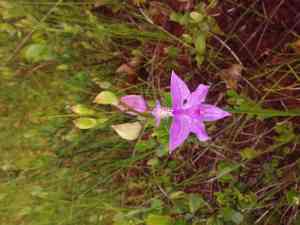
For tuberous grasspink, the ideal period for transplanting is the invigorating energy of early to mid-spring. Select a well-lit, moisture-rich location. When dividing clusters, ensure they remain intact to facilitate adaptation and encourage vigorous development.
Essential Preparations Before Moving Tuberous Grasspink
Optimal Timing for Relocating Tuberous Grasspink?
Moving tuberous grasspink during early to mid-spring is ideal. This period supports strong root development prior to summer's heat. Undertaking transplantation at this time maximizes tuberous grasspink's vitality, thanks to cooler, damp soil conditions, ensuring a smooth transition and thriving growth.
Recommended Spacing Between Tuberous Grasspink Plants?
When relocating tuberous grasspink, allow ample room for each plant, ideally about 1-2 feet (30.5-61 cm) apart. This spacing provides them sufficient area to expand and flourish. Remember, a little extra care now will result in robust, blooming plants later!
Best Soil Mixture for Tuberous Grasspink Relocation?
Prepare a well-draining soil for tuberous grasspink. The soil should be acidic, with a pH of 4.5-6.5. Before planting, enrich the soil with abundant organic matter and a foundational fertilizer. This will establish a fertile base for your plants to thrive!
Where to Replant Your Tuberous Grasspink?
Select a location with full to partial sunlight for tuberous grasspink. These plants enjoy sun but can tolerate some shade. Keep in mind, a spot receiving morning sun is often a good choice. The goal is to provide your plant with the perfect environment to flourish!
Tools Required Before Transplanting Tuberous Grasspink
Gardening Gloves
To safeguard your hands while handling soil and plants.
Trowel
For digging and shifting soil.
Watering Can
To efficiently hydrate the plant during transplantation and prevent dehydration.
Spade
Essential for excavating a hole for the tuberous grasspink plant.
Bucket or Pot
Aids in transporting the plant from one spot to another.
Gardening Knife
May be necessary to detach the plant from the ground if it's being moved from an outdoor setting.
Compost or Organic Matter
To enhance the soil's fertility in its new location.
How to Extract Tuberous Grasspink from the Soil?
How to Extract Tuberous Grasspink from the Soil?
From Ground: To remove the tuberous grasspink from its original ground location, begin by watering the plant and surrounding soil. This moistens the soil, making excavation easier. Then, using a spade or garden knife, carefully dig a wide trench around the plant, ensuring not to cut into the plantâs tubers. Once the plant is free, gently shake off excess dirt and place it in a bucket or pot for transport.From Pot: If the plant is in a pot, tilt the pot sideways and carefully ease the plant out. Avoid yanking or pulling, as this can harm the roots. If the plant is stuck, use a trowel to gently loosen the soil and root ball from the pot's sides.From Seedling Tray: If the plants were in seedling trays, ensure they are moist but not overly wet to prevent root rot. Carefully scoop the plant and its root ball with a spoon or your fingers, taking great care not to damage the roots or tubers.
Step-by-Step Guide for Relocating Tuberous Grasspink
Holes' Preparation
Excavate a hole in the chosen spot using a spade. The hole should be deeper and wider than the root ball.
Plant Placement
Position the tuberous grasspink plant in the hole, ensuring the tubers are level with the ground surface. Avoid planting too deep or too shallow.
Soil Backfill
Refill the hole with the excavated soil and compost or organic matter. Confirm the plant is upright and not leaning.
Soil Tamping
Gently press the soil around the plant's base with your hand to eliminate air pockets.
Watering
Thoroughly water the plant until the soil is damp.
Post-Transplant Care for Tuberous Grasspink
Checking Health
After relocating tuberous grasspink, observe the plant daily for signs of distress, such as wilting or browning leaves. If stress appears, consider shielding the plant from harsh weather, pests, or diseases.
Pruning
If the transplant was successful but the plant still seems stressed after a few weeks, consider trimming it back slightly to reduce its water and nutrient demands.
Watering
Ensure the soil remains moist, especially during dry spells. However, prevent overwatering to avoid root rot.
Addressing Common Issues with Tuberous Grasspink Relocation.
When is the best time of year to transplant my tuberous grasspink?
The ideal period for moving your tuberous grasspink is from late winter to early spring, often referred to as 'S1-S2'.
What's the ideal spacing for transplanting tuberous grasspink?
To provide your tuberous grasspink ample room to grow, maintain a planting distance of approximately 1 to 2 feet, equivalent to 30-60 cm between them.
Why is my transplanted tuberous grasspink wilting or looking unhealthy?
The tuberous grasspink may be experiencing stress from the relocation. Ensure proper hydration, adequate spacing, and nutrient-rich soil to aid its recovery.
What type of soil is best for transplanting my tuberous grasspink into?
Tuberous grasspink prefers well-drained, moist soil rich in organic matter. A pH range of 5.5 to 6.5 is generally optimal.
How deep should I plant the tuberous grasspink when transplanting?
Plant tuberous grasspink at the same depth they were previously growing. This is typically around 4 inches (10 cm) deep.
How much should I water the tuberous grasspink after transplanting?
Provide generous watering immediately after transplanting, then keep the soil consistently moist without becoming waterlogged.
What if my tuberous grasspink plant fails to bloom after transplanting?
Be patient, newly relocated tuberous grasspink may require time to bloom as it adjusts to its new surroundings.
Should I add fertilizer when transplanting my tuberous grasspink?
While tuberous grasspink can grow well without fertilizer, a balanced organic fertilizer applied at the time of transplanting can encourage healthier growth.
How much sun does the tuberous grasspink need after transplanting?
Tuberous grasspink thrives in a location with full to partial sunlight. Excessive shade can impede growth and flower production.
Why is my tuberous grasspink not growing after being transplanted?
This could stem from several factors. Verify sufficient sunlight, well-drained soil, consistent but not excessive watering, and appropriate plant spacing.



