How Much Sunlight Do Tuberous grasspink Need?
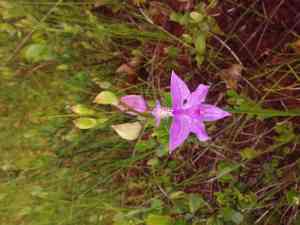
1
Tuberous grasspink flourishes optimally with more than 6 hours of sun exposure each day.
2
Insufficient or excessive sun can negatively impact Tuberous grasspink's flowering and vitality.
3
Employing artificial illumination can assist in replicating the perfect light environment for Tuberous grasspink.
Optimal Light Conditions for Tuberous grasspink
Full Sun vs. Partial Shade
For Tuberous grasspink cultivation, select a location receiving direct sunlight for at least six hours daily. This plant thrives in open, brightly lit areas, which is vital for vibrant, healthy blooms. However, it tolerates some partial shade, allowing success even with occasional shade, particularly during the day's hottest period. While full sun is preferred, balance is crucial to prevent excessive heat stress.
Seasonal Light Fluctuations
Understanding seasonal light changes is essential for Tuberous grasspink's health. Summer offers longer days and more direct sunlight, ideal for the plant's growth phase. Conversely, shorter fall and winter days mean reduced light. If grown outdoors, choose a spot maximizing year-round sun exposure. Indoors, consider relocating the plant or using supplemental artificial light.
Determining Tuberous grasspink's Light Needs
Indicators of Excessive Sunlight
Though Tuberous grasspink loves sun, too much can be harmful. Signs of overexposure include wilting, scorched leaves (often appearing as brown, crispy edges), and decreased flower production. If these symptoms appear, move your plant to a partially shaded area or provide protection during peak sun hours.
Indicators of Insufficient Sunlight
Conversely, inadequate light also poses risks. Signs that Tuberous grasspink isn't getting enough light include elongated stems as it stretches for light, a lack of blooms, and generally weaker growth. In such cases, increase light exposure by moving the plant to a brighter spot or adding supplementary lighting.
Tips for Optimizing Tuberous grasspink's Sunlight
Adjusting Plant Placement
One of the simplest ways to optimize sunlight for Tuberous grasspink is by changing its position. Place it where it receives full sun for a significant part of the day, ideally over six hours. Observe sun patterns in your garden or home, and select a spot matching its light needs. This may involve moving the plant seasonally to maximize exposure.
Utilizing Artificial Light Sources
Artificial lighting, such as LED grow lights, can effectively supplement natural sunlight. If natural light is insufficient, especially during shorter winter days, consider investing in these lights to ensure your Tuberous grasspink gets the light it requires. Aim to provide light with a daylight-like spectrum for about 12-16 hours to mimic natural conditions.
Monitoring and Adapting to Changes
Closely observing your Tuberous grasspink and adjusting as needed is vital for success. Regularly monitor how the plant reacts to varying light conditions and make modifications. Use tools like light meters to measure the exact amount of light the plant receives, and adjust its environment based on these readings. Proactive care includes contingency plans for unexpected weather or indoor light adjustments.



