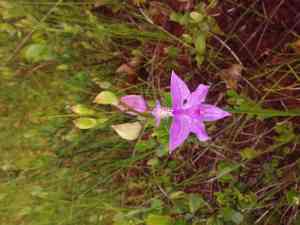
Tuberous grasspink (Calopogon tuberosus)
Also known as: Simpson's grasspink
The Pink Lady's Slipper (Cypripedium acaule) is an orchid species native to eastern Canada, the United States, and the Caribbean. It is particularly favored by bumblebee pollinators. However, its distinctive slipper-shaped flower restricts access, allowing only specific pollinators to navigate its structure for effective pollination.
In This Article
Attributes of Tuberous grasspink
Lifespan
Perennial
Plant Type
Herb
Plant Height
20 cm to 53 cm
Spread
30 cm to 60 cm
Leaf Color
Green
Flower Size
2.5 cm to 5 cm
Flower Color
White Pink Purple Red
Images of Tuberous grasspink

Quickly Identify Tuberous grasspink
1
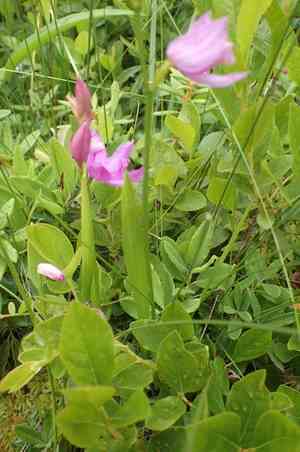
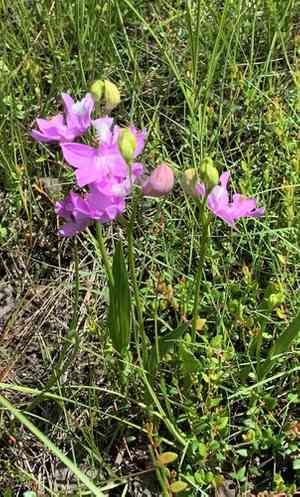
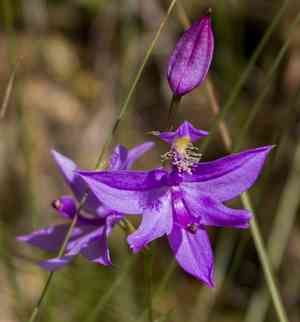
To identify Calopogon tuberosus, look for its grass-like leaves and tuberous roots. The flowers are unique with pink or occasionally white petals and a distinctive bearded lip that has yellow, white, and magenta hairs. The flowers grow in a loose, spike-like arrangement on tall, slender stems.
Scientific Classification of Tuberous grasspink
Phylum
Vascular plants
Class
Monocotyledons
Order
Asparagales
Family
Orchid
Genus
Grass pink
Species
Tuberous grasspink
Planting and Growing of Tuberous grasspink
Care Difficulty
Hard
Watering Schedule
Every 4 days
Sunlight Requirements
Full sun
Sunshine Duration
6-10 hours
Ideal Temperature
65-75℉
Soil Type
Potting Mix, Peat Mix
Soil pH
4-6.8
Fertilizer Type
Balanced
Pruning Season
Spring, Summer
Pruning Area
Branches, Leaves
Pruning Frequency
Once a year
Repotting Season
Spring
Pot Type
Plastic, Ceramic
 How to Water Tuberous grasspink?
Calopogon tuberosus prefers evenly moist soil, but it should not be soggy. Aim to water with around 250 ml each time. Water enough to keep the soil consistently moist but never waterlogged. It's important to maintain a balance to support the health of the plant.
What are the symptoms of an underwatered Tuberous grasspink?
›
What should I do if my Tuberous grasspink is not getting enough water?
›
What are the symptoms of an overwatered Tuberous grasspink?
›
How to save an overwatered Tuberous grasspink?
›
 What Are the Sunlight Requirements for Tuberous grasspink?
Calopogon tuberosus ideally requires full sun to partial sun. Adequate light ensures rich flowering and enhances the vibrancy of its blooms. This range supports steady growth and prevents both scorching and etiolation.
More About Sunlight Requirements Techniques→
What is the best lighting condition for Calopogon tuberosus?
›
How can I achieve ideal lighting for this plant?
›
What are the benefits of ideal lighting conditions?
›
 What Is the Ideal Temperature Range for Tuberous grasspink?
The ideal temperature range for Calopogon tuberosus, commonly known as the grass-pink orchid, is between 65°F and 75°F. Within this range, the orchid can thrive, achieving optimal growth and blooming. This temperature range allows the plant to perform crucial physiological processes such as photosynthesis and nutrient absorption efficiently. It is essential to maintain consistent temperatures within this range to avoid stress on the plant.
 What Soil is Best for Tuberous grasspink?
Calopogon tuberosus thrives in soil that retains moisture without becoming waterlogged. This ensures the plant has constant access to water, stimulating robust growth and vibrant blooms while preventing root rot. The plant demands a nutrient-rich substrate that supports its tuberous roots. A well-fed soil promotes health, enhances flower production, and sustains prolonged growth cycles. Proper aeration in the soil allows Calopogon tuberosus to exchange gases efficiently, ensuring its roots receive enough oxygen. This prevents fungal infections and keeps the plant vigorous.
 How to Fertilize Tuberous grasspink?
For Calopogon tuberosus, it's essential to use a moderate amount of fertilizer since over-fertilization can be detrimental. A balanced 10-10-10 liquid fertilizer should be diluted to one-quarter of the recommended strength. When using granular fertilizer, apply approximately one tablespoon per square foot.
 How to Prune Tuberous grasspink?
Begin by inspecting the plant and carefully cutting away any dead, wilted, or discolored foliage. This practice ensures that all remaining healthy parts can thrive without being weighed down by non-productive growth. Prune gently around the plant to maintain a natural shape. Avoid cutting too aggressively or too deep into the base of the stems, which might stress the plant.
More About Pruning Techniques→
 How to Propagate Tuberous grasspink plant?
1
Collect seeds from mature pods of Calopogon tuberosus in late summer or early autumn. Store them in a cool, dry place until ready for sowing in early spring.
2
During the spring, carefully lift the entire plant and separate the tubers using a sharp garden knife. Each section should have a growth point or eye to ensure successful sprouting.
3
Sow seeds on the surface of a fine, sterilized growing medium. Lightly cover with a thin layer of substrate, as Calopogon tuberosus seeds require light to germinate.
 How to Repot Tuberous grasspink plant?
1
Calopogon tuberosus should be repotted when you notice overcrowding. If you see bulb congestion or roots spilling over, it signals a need for more space. Repotting ensures the plant has ample room to grow and remain healthy.
2
Select a pot slightly larger than the current one to allow growth. Ensure the pot has proper drainage holes to avoid waterlogging, which can lead to root rot. A breathable material like terracotta can help regulate moisture levels, benefiting the plant’s health.
3
Opt for a moist, airy orchid mix to ensure proper drainage while maintaining essential moisture levels. This soil prevents root suffocation and encourages robust root development, critical for Calopogon tuberosus vitality.
Learn More About Tuberous grasspink Diseases
Anthracnose
Bacterial Leaf Spot
Bacterial Soft Rot
Bacterial Wilt
Black Spot
Chemical Injury
Crown Gall
Cyst Nematode
Damping-off
Downy Mildew
Drought Stress
Fusarium Wilt
Gray Mold
Leaf Curl
Leaf Spot
Mosaic
Nutrient Deficiency
Nutrient Toxicity
Powdery Mildew
Root Rot
Root-knot Nematode
Rusts
Sooty Mold
Spider Mites
Temperature Stress
Thrips Damage
White Mold



