How to Propagate Tuberous grasspink?
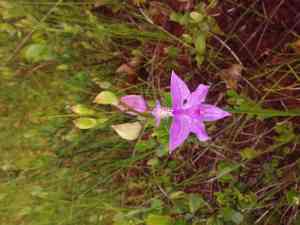
Tuberous grasspink flourishes when multiplied by separation, optimally carried out after flowering to lessen strain and enhance developmental prospects for the subsequent year. During the division process, confirm that every segment possesses a minimum of one growth point to encourage effective regrowth. Gently detach the tuber-like root structures and embed them in adequately draining, acidic substrate, replicating their native marshy surroundings. Sustain elevated moisture levels and moderate sunlight, cultivating conditions favorable for development.
Optimal Period for Tuberous Grasspink Propagation
Propagation Method
Division
Propagation Season
Spring,Autumn
Tools Required for Tuberous Grasspink Propagation
Sharp garden knife or scalpel
These instruments are vital for cleanly and precisely separating tuberous grasspink rhizomes. A keen edge ensures smooth cuts, minimizing tissue damage, which promotes quicker healing and lowers the risk of fungal or bacterial issues. This is especially important for tuberous grasspink to maintain division health.
Sterilizing agent (e.g., rubbing alcohol or bleach solution)
Used to sanitize cutting implements before and after use on tuberous grasspink. Sterilization prevents disease transmission between plants during the division process. This step is critical for preserving the overall health and viability of tuberous grasspink divisions, ensuring each new plant begins robustly.
Potting mix suitable for orchids
Post-division, tuberous grasspink needs a specific potting medium that mimics its natural habitat. An orchid mix typically contains fir bark, perlite, and sphagnum moss, offering excellent drainage and air circulation essential for tuberous grasspink root health.
Pots with adequate drainage
Proper drainage is crucial for tuberous grasspink as it prevents water accumulation at the base, which could cause root rot. Orchid pots or containers with multiple drainage holes are ideal, helping manage moisture in the potting medium and aiding the successful establishment of divided plants.
How to Propagate Tuberous Grasspink?
Propagation Type
Easy
Post-Propagation Care for Tuberous Grasspink
Post-Propagation Care for Tuberous Grasspink
After propagation, place tuberous grasspink in an area with partial to full sun exposure. Regularly check soil moisture, keeping it consistently damp but not waterlogged. During the growing season, lightly fertilize with a balanced, slow-release product to support healthy development. As a native orchid, tuberous grasspink needs minimal intervention once established, but ensure protection from extreme temperatures and avoid overwatering to prevent root rot.
Common Errors to Avoid When Propagating Tuberous Grasspink
Overwatering during dormancy
Excessive watering of tuberous grasspink during its dormant phase can lead to root rot and fungal infections. Since tuberous grasspink experiences seasonal dormancy after blooming, it requires less water during this period.
Using unsuitable soil medium
Planting tuberous grasspink in heavy or clay-rich soils can impede drainage and air circulation around the roots. Tuberous grasspink thrives in loose, well-draining media, and inappropriate soil can hinder its growth and health.
Excessive handling or disturbance
Tuberous grasspink's tuberous roots are delicate, and excessive handling or frequent disruptions can damage these structures, leading to poor root development and weakened plant health.
Advice for Propagating Tuberous Grasspink
Use appropriate soil mix
For successful propagation, use a blend of loamy, sandy soil with added organic matter. This ensures good drainage and aerates the root zone, which is vital for tuberous grasspink's health.
Careful handling of tubers
Handle tubers gently during division to prevent damage. Injured tubers may struggle to establish or become prone to disease. Careful separation and handling ensure the best start for new tuberous grasspink plants.
Adequate spacing
Ensure sufficient space between newly planted tubers to allow for proper air circulation and light penetration, which are crucial for the health and vigorous growth of tuberous grasspink. Overcrowding can lead to resource competition and increase disease likelihood.



