How to Prune Tuberous grasspink?
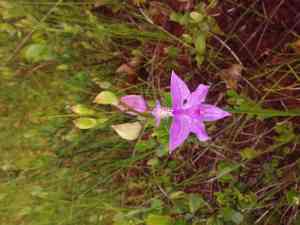
This ground-dwelling orchid is celebrated for its brilliant blossoms and blade-like leaves. To sustain the health of tuberous grasspink, snip off faded flowers post-bloom to redirect energy towards tuber development. Any withered or discolored foliage may be trimmed for visual appeal. The best time for trimming is in spring or early summer, aligning with its inherent flowering period. Refrain from severe cutting to uphold the plant's inherent clustered shape. Trimming boosts tuberous grasspink's general well-being, encouraging a greater abundance of flowers in the following year.
Advantages of Trimming Tuberous Grasspink
Advantages of Trimming Tuberous Grasspink
Trimming tuberous grasspink helps maintain a compact, visually appealing form and encourages vigorous growth, ensuring the plant's energy is directed towards producing vibrant blooms.
Optimal Time for Trimming Tuberous Grasspink
Optimal Time for Trimming Tuberous Grasspink
Trimming tuberous grasspink in early spring, following the last frost, aligns with its natural growth cycle. This timing allows for the removal of any winter damage before new growth begins. Additionally, it provides the plant with an opportunity to recover and channel energy into producing robust growth during the active growing season. Avoid trimming during late summer or fall as it can stimulate new growth that might be susceptible to early frost damage.
Tools Required for Trimming Tuberous Grasspink
Sharp Bypass Pruners
Ideal for making clean cuts on tuberous grasspink's delicate stems, bypass pruners create a clean, healthy cut without crushing plant tissue.
Fine-pointed Snips
These are essential for precision work and reaching into dense foliage without harming tuberous grasspink. Fine-pointed snips allow for selective trimming of spent flowers or thin stems.
Small Gardening Scissors
Well-suited for shaping and controlling the size of tuberous grasspink, allowing for accurate snips without disturbing the surrounding plant parts.
How to Trim Tuberous Grasspink
Identify
Identify the diseased or withered leaves and diseased stems on tuberous grasspink that require trimming. Look for signs of discoloration, wilting, or any indications of disease such as spots or rot.
Prepare tools
Sanitize the trimming tools using a solution of bleach or alcohol to prevent the spread of disease. Use sharp scissors or shears to ensure clean cuts that will heal more rapidly.
Trim diseased leaves
Carefully trim off the diseased and withered leaves at their base, avoiding any damage to the healthy parts of tuberous grasspink. Dispose of the trimmed leaves properly to prevent disease spread.
Trim diseased stems
Cut back the diseased stems to the point of healthy growth. If the entire stem is affected, remove it at the base taking care not to disturb the adjacent healthy stems or the tuberous root.
Cleanup
After trimming, clean the area around tuberous grasspink to remove any fallen debris. Sanitize the tools again before storing them to eliminate any lingering pathogens.
Common Trimming Errors with Tuberous Grasspink
Over-trimming
Cutting back too much of tuberous grasspink can lead to reduced flowering and potentially harm the plant's vitality. Tuberous grasspink requires minimal trimming, as overzealous cutting may remove essential growth.
Dirty tools
Using dirty trimming tools can introduce harmful pathogens to tuberous grasspink. It is essential to use sterilized equipment to prevent the spread of disease.
Trimming during active growth
Trimming tuberous grasspink during its active growth phase can impede its development. Tuberous grasspink's growth cycles should be taken into consideration to avoid untimely trimming.
Ignoring dead material
Failing to remove dead or damaged material from tuberous grasspink can hinder its growth and flowering. Deadheading spent flowers and removing dead leaves are crucial to maintain plant health.
Uneven cuts
Making jagged or uneven cuts on tuberous grasspink can damage the plant and make it more susceptible to disease. Clean, sharp cuts are necessary for the plant's proper healing.
General Trimming Advice for Tuberous Grasspink
Minimal trimming
Understand that tuberous grasspink thrives with minimal interference. Only trim when necessary, such as removing spent blooms or damaged foliage to encourage new growth.
Clean cuts
Use sharp, clean trimming shears to make precise cuts on tuberous grasspink. This results in less stress to the plant and promotes quicker healing.
Sterilize tools
Before trimming tuberous grasspink, sterilize your tools with alcohol or a bleach solution to prevent the spread of diseases.
Deadheading
Deadhead the spent flowers of tuberous grasspink to redirect energy towards the growth of new blooms and maintain the plant's appearance.
Post-bloom trimming
Trim tuberous grasspink after flowering to remove old flower stalks and any dead or yellowing leaves, which helps the plant focus its resources on strong healthy growth for the next season.



