The Tuberous grasspink Plant Advantage: Maximizing Home and Office Appeal and Wellness
1
Tuberous grasspink flourishes in marshy areas and originates from North America.
2
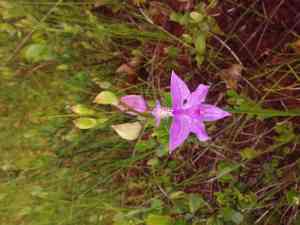
Tuberous grasspink displays distinctive and appealing purple-pink blossoms.
3
Tuberous grasspink aids local environments by drawing in pollinating insects.
What Makes Tuberous grasspink Special?
Unique Visual Appeal
A key characteristic of Tuberous grasspink is its striking blossoms. The vivid purple-pink flowers distinguish it from other plants. This unique look makes it a preferred option for decorative purposes, enabling gardeners to craft visually appealing landscapes. The blooms not only enhance a garden's beauty but also serve as a captivating focal point.
Adaptability to Wetlands
Tuberous grasspink naturally thrives in wetland environments, making it an excellent choice for water gardens, bogs, and other damp areas. Its capacity to flourish in such conditions means it can help stabilize soil and prevent erosion. Moreover, its presence in wetlands can support local biodiversity, fostering a balanced and healthy ecosystem.
Ecological Contributions of Tuberous grasspink
Attracting Pollinators
Tuberous grasspink plays a vital role in supporting pollinators. Its vibrant flowers draw in various insects, including bees and butterflies. This not only aids in the pollination process but also ensures the survival of these crucial species. By cultivating Tuberous grasspink, gardeners can establish a supportive environment for pollinators, which in turn benefits the wider ecosystem.
Improving Biodiversity
Tuberous grasspink significantly contributes to biodiversity. Its existence in natural habitats helps maintain a wide array of plant and animal life. This diversity is crucial for the resilience and stability of ecosystems. By integrating Tuberous grasspink into cultivated areas or conservation zones, we can foster healthier and more vibrant ecosystems.
Best Practices for Cultivating Tuberous grasspink
Ideal Growing Conditions
To successfully cultivate Tuberous grasspink, understanding its optimal conditions is essential. This plant prefers moist, well-drained soil and is often found in wild wet meadows and bogs. It requires full to partial sunlight to prosper and should be watered regularly to maintain soil moisture. Ensuring these conditions will help Tuberous grasspink flourish and display its characteristic blooms.
Propagation Techniques
Propagating Tuberous grasspink can be achieved via seeds or tuber division. When using seeds, sow them in a damp, well-draining growing medium and keep them at a consistent temperature to encourage germination. For tuber division, it's best done in early spring before new growth begins. Carefully separate the tubers and replant them in suitable conditions. Propagation helps expand your collection and ensures the continuity of Tuberous grasspink in your garden.
Supporting Wildlife with Tuberous grasspink
Creating a Wildlife Habitat
By planting Tuberous grasspink, gardeners can contribute to establishing a wildlife habitat. The plant's flowers provide nectar for pollinators, while its foliage offers refuge for small insects and animals. This makes Tuberous grasspink an essential component of any wildlife-friendly garden. Additionally, its presence can encourage the growth of other native species, leading to a richer and more diverse habitat.
Sustainable Gardening Practices
Incorporating Tuberous grasspink into your garden aligns with sustainable gardening methods. This plant requires minimal intervention once established, reducing the need for chemical fertilizers and pesticides. By promoting a natural and eco-friendly approach to gardening, Tuberous grasspink helps maintain soil health and water quality, contributing to a more sustainable environment.



