How to Transplant Purple poppy mallow?
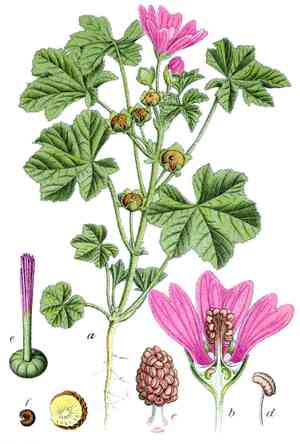
The optimal period for relocating purple poppy mallow is from the pleasant mid-spring through early summer, as this offers the perfect environmental conditions for development. Select a location bathed in sunlight with soil that drains effectively, and if necessary, be ready to irrigate thoroughly to foster root development. Enjoy your transplanting!
What Preparations are Needed Before Transplanting Purple Poppy Mallow?
What is the Ideal Time for Transplanting Purple Poppy Mallow?
The optimal period to move purple poppy mallow is from the mild warmth of mid-spring to the vibrant onset of early summer. This timeframe provides prime growing conditions, boosting the plant's chances of survival. Additionally, its beautiful flowers can fully open in summer, adding wonderful color to your garden. Remember, a successful transplanting process is a step-by-step journey; ensure all necessary groundwork is complete.
How Much Space Should You Leave Between Purple Poppy Mallow Plants?
When relocating purple poppy mallow, position them approximately 18-24 inches (46-61 cm) apart. This spacing allows the plants ample room to develop and spread without becoming overcrowded.
What is the Best Soil Mix for Purple Poppy Mallow Transplanting?
Prepare the soil using a well-draining mix (e.g., sandy or loamy soil) and incorporate a foundational fertilizer such as compost or well-rotted manure. This will supply essential nutrients and encourage robust growth for purple poppy mallow.
Where Should You Relocate Your Purple Poppy Mallow?
Select a sunny location receiving at least 6 to 8 hours of direct sunlight daily for transplanting purple poppy mallow. They flourish in full sun, so choose a spot where they can absorb sunlight and grow beautifully.
What Equipments Should You Prepare Before Transplantation Purple Poppy Mallow?
Gardening Gloves
To safeguard your hands while handling soil and plants.
Garden Trowel
For excavating the transplant hole and removing soil around the root ball.
Spade or Shovel
For extracting the plant from its original spot and preparing the new planting site.
Watering Can or Hose
To moisten and hydrate the plant and soil.
Organic Compost
To enrich the soil and supply nutrients for the purple poppy mallow plant.
Hand Pruner
To trim any damaged roots or stems during the transplanting process.
Sturdy Stick or Garden Stake (Optional)
To offer support to the purple poppy mallow plant if it becomes unstable after relocation.
How Do You Remove Purple Poppy Mallow from the Soil?
How Do You Remove Purple Poppy Mallow from the Soil?
From Ground: First, hydrate the purple poppy mallow plant to moisten the soil. Then, excavate a wide trench around the plant using a spade or shovel, ensuring the plant's root ball remains intact. Carefully work the spade beneath the root ball to lift the plant from its initial position.From Pot: Begin by watering the purple poppy mallow plant in its container. Next, grasp the base of the plant while gently inverting the pot. Lightly tap the pot's rim against a firm surface to release the plant and root ball from the container.From Seedling Tray: Water the purple poppy mallow seedlings prior to transplanting. Carefully extract the seedlings from the tray by gently pushing up on the bottom of individual cells or using a small spoon to scoop out the seedling and root ball.
Step-by-Step Guide for Transplanting Purple Poppy Mallow
Site Selection
Choose a spot with adequate sunlight and room for your purple poppy mallow plant to reach its full size.
Soil Preparation
Amend the soil with organic compost to provide nutrients for the purple poppy mallow plant and enhance drainage.
Digging Hole
Excavate a hole that is twice as wide and as deep as the purple poppy mallow plant's root ball.
Placing Plant
Gently lower the purple poppy mallow plant into the hole, positioning it so the top of the root ball is level with the surrounding soil surface.
Backfilling
Fill the hole with the amended soil, gently pressing it around the root ball to secure the purple poppy mallow plant and eliminate air pockets.
Watering
Thoroughly water the transplanted purple poppy mallow plant to help settle the soil and establish roots in its new location.
Staking (Optional)
If the purple poppy mallow plant shows signs of instability, use a sturdy stick or garden stake for support.
How Do You Care For Purple Poppy Mallow After Transplanting?
Watering
Keep the soil around the purple poppy mallow consistently moist, but not waterlogged, for the initial weeks after transplanting to aid in developing strong roots.
Trimming
Prune any damaged or diseased stems or leaves after transplanting to encourage healthy growth.
Mulching
Apply a layer of organic mulch around the base of the purple poppy mallow plant to help retain moisture, suppress weeds, and regulate soil temperature.
Observation
Regularly inspect the purple poppy mallow plant for indications of stress, disease, or pest issues and address any problems promptly.
Troubleshooting Common Issues with Purple Poppy Mallow Transplantation.
When is the best time to transplant purple poppy mallow?
The optimal period to relocate purple poppy mallow is from mid-spring to early summer. This ensures ideal growth and blooming.
What is the proper distance between purple poppy mallow plants when transplanting?
Ideally, space purple poppy mallow plants approximately 18-24 inches (45-60 cm) apart. This provides each plant ample room to grow and spread.
What kind of soil is best for purple poppy mallow transplantation?
Purple poppy mallow prefers well-drained soil, ranging from sandy to loamy. It can survive in poor soil but will thrive in moderately fertile conditions.
What is the preferable depth to plant purple poppy mallow?
Plant purple poppy mallow in a hole deep enough to accommodate the root ball, typically about 6-8 inches (15-20 cm). Ensure the crown is level with the ground surface.
Does purple poppy mallow transplantation require regular watering?
Purple poppy mallow is quite drought-tolerant once established. However, during the first few weeks after transplanting, consistent watering is essential to promote root development.
Can I transplant purple poppy mallow in a container instead of the garden?
Absolutely! Purple poppy mallow can be successfully cultivated in containers. Just ensure the pot has good drainage and is wide enough for the plant to expand.
How much sunlight does purple poppy mallow need after being transplanted?
Purple poppy mallow thrives in full sun. The more sunlight it receives, the more it blooms. However, it can tolerate partial shade in hotter climates.
Should I mulch around purple poppy mallow after transplanting?
Yes, applying mulch around purple poppy mallow after transplanting helps retain soil moisture and inhibits weed growth, thereby reducing competition for resources.
How soon can I expect purple poppy mallow to flower after transplantation?
Purple poppy mallow is known for its rapid growth. If transplanted in the ideal season, you can anticipate blooming to commence in early to mid-summer.
Do I need to prune purple poppy mallow after transplanting?
Not necessarily. Purple poppy mallow is a low-maintenance plant. However, light pruning can encourage denser growth and promote more blooms.



