The Purple poppy mallow Plant Advantage: Maximizing Home and Office Appeal and Wellness
1
Purple poppy mallow is a perennial plant that tolerates dry conditions and flourishes in soil with good drainage.
2
The bright blooms of Purple poppy mallow draw in helpful pollinators such as bees and butterflies.
3
Incorporating Purple poppy mallow into your garden design lessens the demand for watering, conserving water.
What Are the Main Features of Purple poppy mallow?
Growth Habits
Purple poppy mallow is recognized for its spreading nature, making it an excellent ground cover. The plant typically reaches a height of 6-12 inches, while its stems can extend up to 2-3 feet. This makes it perfect for covering large areas and preventing soil erosion.
Flowering Period
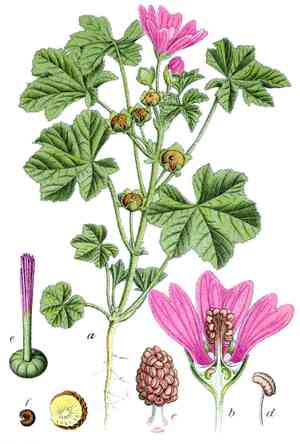
Purple poppy mallow showcases beautiful magenta blooms from late spring to early summer. These vibrant, cup-shaped flowers can persist for several weeks to a few months, depending on growing conditions. The flowers not only add color but also attract various beneficial insects.
How Does Purple poppy mallow Benefit Pollinators?
Attracting Bees and Butterflies
A key characteristic of Purple poppy mallow is its capacity to draw in a variety of pollinators, including bees and butterflies. These insects are vital for pollination, and having Purple poppy mallow in your garden can help support local populations. The bright, open flowers offer easy access to nectar, making it a preferred choice for these beneficial insects.
Supporting Biodiversity
By attracting diverse pollinators, Purple poppy mallow helps to boost local biodiversity. A well-pollinated garden leads to increased fruit and seed production, fostering a more robust and resilient ecosystem. This can result in a healthier garden where plants flourish and contribute to the overall environmental well-being.
Can Purple poppy mallow Aid in Water Conservation?
Drought Tolerance
Purple poppy mallow is exceptionally drought-resistant, making it an excellent option for water-wise gardens. Once established, the plant requires minimal watering, which is especially advantageous in drought-prone regions. Its deep root system helps it access water from deeper soil layers, enabling it to survive prolonged dry spells.
Reduced Irrigation Needs
Integrating Purple poppy mallow into your landscaping significantly decreases the need for irrigation. This not only conserves water but also lowers garden maintenance costs and effort. Homeowners and gardeners can enjoy a lush, attractive garden without the trouble and expense of frequent watering.
What Makes Purple poppy mallow Ideal for Soil Health?
Erosion Control
The extensive root system of Purple poppy mallow plays a crucial role in stabilizing the soil. This makes it particularly valuable for areas susceptible to erosion, such as slopes and embankments. The plant's roots form a dense network that helps hold the soil in place, preventing it from being washed away by rain or wind.
Improving Soil Structure
Purple poppy mallow contributes to enhancing soil structure by adding organic matter through fallen leaves and decomposing roots. This organic matter improves soil fertility and water retention, creating an optimal environment for other plants to grow. Over time, a garden with Purple poppy mallow will boast healthier, more productive soil.
How to Incorporate Purple poppy mallow Into Your Garden Design?
Ideal Planting Locations
Purple poppy mallow thrives in full sun to partial shade, making it adaptable for various garden settings. It's particularly effective as a ground cover in open areas, along pathways, or as a border plant. Its low-growing habit also makes it perfect for rock gardens and container plantings.
Pairing with Other Plants
For a striking visual effect, consider combining Purple poppy mallow with other drought-tolerant plants such as ornamental grasses, echinacea, and lavender. These combinations not only create a cohesive look but also support a diverse range of pollinators and contribute to a more sustainable garden.



