How to Overwinter Purple poppy mallow
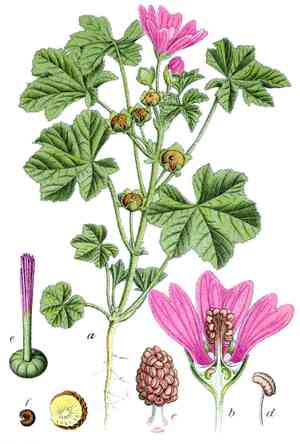
1
Purple poppy mallow tolerates cold well, making it adaptable to diverse environments, but additional attention guarantees its winter survival.
2
Applying mulch insulates Purple poppy mallow's root system, shielding it from freezing temperatures.
3
Keeping an eye on weather forecasts is vital for outdoor winter care to avoid frost harm.
Understanding Purple poppy mallow Hardiness
Understanding Purple poppy mallow Hardiness
The Purple poppy mallow, scientifically known as Callirhoe involucrata, is a robust perennial wildflower recognized for its vivid magenta blooms and ability to flourish in diverse climates. Categorized as frost-tolerant, it's well-suited for temperate regions where winter temperatures can drop below freezing. However, even for such a resilient plant, preparing for the colder months is vital to ensure its resurgence in spring.
What Preparations Are Needed to Overwinter Purple poppy mallow?
Assessing Plant Health
Start by inspecting your Purple poppy mallow for any indications of illness or harm. Healthy plants have the best chance of surviving winter. Look for strong stems, vibrant foliage, and a robust root system. If you observe any pests or signs of disease, address these concerns quickly before proceeding with other winter preparations.
Cleaning and Pruning
Next, thoroughly clean your Purple poppy mallow. Remove any dead or decaying leaves to prevent disease and pest problems during its dormant period. Lightly prune the plant to encourage stronger growth in the spring. Be careful not to cut too much; trimming about one-third of the plant is usually sufficient.
Mulching for Winter Protection
Mulch serves as an insulating layer for your Purple poppy mallow, shielding its roots from extreme cold and temperature fluctuations. Apply a layer of organic mulch, such as straw, leaves, or wood chips, approximately 5-10 cm (2-4 inches) thick around the plant's base. This covering protects the root system and helps retain soil moisture.
Indoor Overwintering Techniques for Purple poppy mallow
Pots and Containers
If you choose to bring your Purple poppy mallow indoors for winter, ensure you have an appropriate pot or container. Select one with adequate drainage holes to prevent waterlogging, which can be fatal for the plant. The container size should allow enough room for the root system to expand slightly, promoting healthy development.
Ideal Indoor Conditions
Indoors, position your Purple poppy mallow in a spot that receives ample light, such as a south-facing window. While the plant is overwintering indoors, maintain a cooler temperature, ideally between 10-15°C (50-59°F), to mimic its natural dormant phase. Avoid areas with high heat or direct heat sources, which can disrupt its natural cycle.
Watering and Maintenance
When overwintering indoors, less is more regarding watering. Keep the soil moist but not saturated, watering only when the top 2-3 cm (1 inch) of soil is dry. Overwatering can lead to root rot, a common issue during indoor overwintering. Periodically check the plant for any signs of stress or pests, addressing problems promptly to keep it healthy.
Outdoor Overwintering Methods for Purple poppy mallow
Choosing the Right Spot
For those who opt to leave Purple poppy mallow outside, its placement significantly impacts its survival. Choose a location that benefits from natural windbreaks, such as walls or dense shrubs, to shield it from harsh winds. Full sun exposure is ideal as it warms the soil and encourages healthier winter dormancy.
Protective Coverings
In particularly severe climates, consider using protective coverings to safeguard your Purple poppy mallow. Burlap, frost cloths, or even old blankets can be placed over the plant during the coldest nights. Ensure the coverings are secure but allow some air circulation to prevent mold and mildew.
Monitoring Weather Conditions
Keep a close watch on local weather forecasts. Rapid and unexpected temperature changes can be detrimental. If a severe frost or cold snap is predicted, add extra mulch or protective coverings to your Purple poppy mallow to guard against potential damage. Regularly inspect the plant for frost damage and address issues immediately.
Common Issues While Overwintering Purple poppy mallow
Recognizing Frost Damage
Despite best efforts, frost damage can occur. Signs include blackened or mushy stems and leaves. If you observe frost damage, prune the affected areas immediately to prevent further decay. The plant can often recover if the damage is identified and treated promptly.
Dealing with Pests and Diseases
Even in winter, pests and diseases can pose a threat to Purple poppy mallow. Common pests include aphids and spider mites, which can be managed with insecticidal soap or neem oil. For diseases, ensure proper airflow around the plant and remove any diseased foliage. Regularly inspect the plant to catch issues early and maintain its health throughout the winter.



