Enhancing Your Garden Design with the Purple poppy mallow Plant: A Landscaping Guide
1
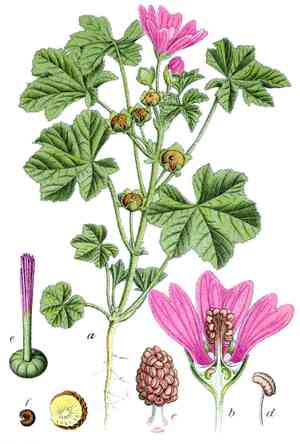
Purple poppy mallow is recognized for its vivid hue and capacity to draw in beneficial insects.
2
This species is hardy and flourishes across diverse soil types.
3
Purple poppy mallow offers a way to establish bold color differences in your landscape.
Understanding the Role of Purple poppy mallow in Landscaping
What makes Purple poppy mallow a popular choice for garden landscapes?
When it comes to adding a splash of color to your garden, Purple poppy mallow stands out as a top choice. Its vibrant, eye-catching blooms can add not only beauty but also life to any outdoor space. The aesthetic appeal of Purple poppy mallow lies in its ability to blend well with both contemporary and traditional garden designs. This plant is also a favorite among eco-conscious gardeners because it attracts pollinators such as bees and butterflies, contributing to a healthy ecosystem. Additionally, its relatively low maintenance requirements make it a convenient option for gardeners of all levels of expertise.
Exploring the visual impact of Purple poppy mallow in outdoor spaces
The visual impact of Purple poppy mallow can be transformative. Imagine a sea of vibrant blooms cascading over rocky terrains or borders, creating a stunning visual effect that catches the eye immediately. This plant's sprawling nature makes it an excellent ground cover, helping to fill in gaps and create a cohesive look. Whether you use it as a centerpiece in a flower bed or as an underplanting option, Purple poppy mallow can create depth and interest in your garden. The contrast of its bright flowers against green foliage can make other plants in your garden pop, enhancing the overall visual appeal of your landscape.
The resilience factors: Understanding the adaptability of Purple poppy mallow
One of the standout features of Purple poppy mallow is its remarkable resilience. This plant is highly adaptable to a variety of soil conditions, from well-drained sandy soils to clay-based terrains. It is also drought-tolerant, making it a great option for regions with less consistent rainfall. The ability of Purple poppy mallow to thrive in full sun and partial shade adds to its versatility. Gardeners often appreciate that Purple poppy mallow can withstand periods of neglect and still bounce back with vibrant blooms, making it a low-stress addition to any garden landscape.
Integrating Purple poppy mallow into Your Garden Design
Choosing the right location for Purple poppy mallow in your garden
Selecting the perfect spot for Purple poppy mallow in your garden can significantly impact its growth and the overall aesthetics of your landscape. Ideally, Purple poppy mallow should be planted in areas that receive full to partial sunlight. This ensures the plant can maximize its blooming potential. Consider planting Purple poppy mallow along garden borders, in rock gardens, or as a sprawling ground cover. Its ability to thrive in various soil types means you have flexibility in choosing a location that complements your garden's layout. However, ensure the chosen spot has good drainage to prevent root rot and promote healthy growth.
Companion planting: What works best with Purple poppy mallow?
Companion planting can enhance the visual appeal of Purple poppy mallow and support garden health. Consider pairing Purple poppy mallow with plants that have contrasting foliage or complementary bloom colors. For instance, pairing Purple poppy mallow with plants like ornamental grasses or silver-leafed plants can create a striking visual contrast. Additionally, other drought-tolerant plants such as lavender or sage can make excellent companions, ensuring a cohesive look while maintaining easy maintenance. The key is to choose companion plants that share similar growing conditions to ensure both plants thrive together.
Design tips for creating a striking color contrast using Purple poppy mallow
Creating a visually appealing garden involves strategic color planning. Purple poppy mallow can be a focal point due to its vibrant color, so consider how it can be used to create striking contrasts. For a bold statement, mix Purple poppy mallow with yellow or white flowering plants. This contrast can make each color appear more vivid and engaging. Alternatively, for a more subtle yet sophisticated look, pair Purple poppy mallow with plants that have purple or blue hues. Experimenting with different color combinations can help you achieve a garden design that is both visually stunning and uniquely yours.
Seasonal Considerations for Purple poppy mallow in Your Landscape
When is the best time to plant Purple poppy mallow for optimal growth?
Timing is crucial when planting Purple poppy mallow to ensure optimal growth and blooming. The best time to plant Purple poppy mallow is in the spring after the last frost has passed. This gives the plant sufficient time to establish its roots before the summer heat sets in. If you're planting in the fall, make sure it's early enough to allow the roots to establish before the first frost. Proper planning and timing will help Purple poppy mallow thrive and produce an abundance of blooms throughout its growing season.
Navigating the blooming cycle of Purple poppy mallow
Understanding the blooming cycle of Purple poppy mallow can help you make the most of its stunning flowers. Typically, Purple poppy mallow begins to bloom in late spring and continues to produce flowers throughout the summer. Regular deadheading, or removing spent blooms, can encourage prolonged flowering by redirecting the plant's energy from seed production back to creating new blooms. Additionally, ensuring Purple poppy mallow receives adequate water, especially during dry spells, can support a healthy blooming cycle. By understanding and supporting its natural cycle, you can enjoy the vibrant display of Purple poppy mallow for an extended period.
Preparing Purple poppy mallow for different weather conditions
Different weather conditions require specific preparations to ensure Purple poppy mallow thrives year-round. In hot, dry climates, mulching around the base of the plant can help retain soil moisture and keep the roots cool. During cold winters, adding a layer of mulch can protect the roots from freezing temperatures. If you live in an area prone to heavy rainfall, ensure good drainage to prevent waterlogging. By taking these seasonal precautions, you can help Purple poppy mallow navigate various weather conditions, ensuring it remains healthy and vibrant.



