How to Prune Purple poppy mallow?
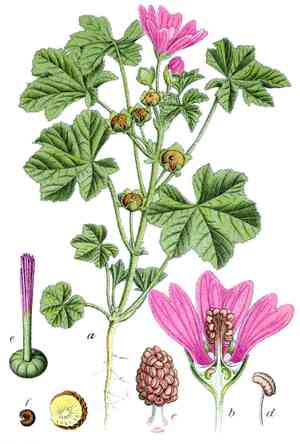
This perennial herb, recognized for its vibrant magenta flowers and sprawling nature, thrives in adequately drained ground. For purple poppy mallow, trim to preserve its form and manage its expansion. Removing spent blossoms stimulates additional flowering. Cut back significantly following the initial frost to foster robust growth in the spring. As purple poppy mallow withstands pruning throughout the entire season, consistent trimming can avert excessive growth. The advantages of pruning encompass improved flowering, revitalization, and protection against disease by boosting air movement among the leaves.
Advantages of Trimming Purple Poppy Mallow
Advantages of Trimming Purple Poppy Mallow
Trimming purple poppy mallow promotes more abundant blooms, stimulates vigorous growth, and helps maintain a compact, attractive shape. This specific care approach ensures a healthier, more floriferous plant.
Optimal Time for Pruning Purple Poppy Mallow
Optimal Time for Pruning Purple Poppy Mallow
For purple poppy mallow, pruning in early spring, prior to new growth, allows the plant to channel energy into developing robust new shoots. Post-flowering pruning benefits purple poppy mallow by preventing unwanted self-seeding and encouraging a more manageable growth habit. These periods ensure the plant retains vitality and blooms optimally, aligning with its growth cycle and avoiding stress during extreme weather.
Tools Required for Pruning Purple Poppy Mallow
Hand Pruners
Perfect for making precise cuts on purple poppy mallow's slender stems and removing spent flowers. Choose bypass pruners for clean cuts that encourage healthy regrowth.
Pruning Shears
Useful for shaping purple poppy mallow and managing its spread, as well as for clipping any occasional stray growth.
Scissors
Specialized gardening scissors can be utilized for fine-tuning the form of purple poppy mallow and cutting delicate stems without causing harm.
Gloves
A quality pair of gardening gloves is crucial for protecting hands from thorns or rough plant material when pruning purple poppy mallow.
How to Prune Purple Poppy Mallow
Step1: Sanitizing Pruning Tools
Start by sanitizing your pruning tools with rubbing alcohol or a 10% bleach solution to prevent disease transmission to purple poppy mallow.
Step2: Identifying Mature Growth
Locate older stems that have completed their growth cycle and appear woody or have stopped producing new leaves or flowers. These will be your primary targets for removal.
Step3: Cutting Old Stems at Base
To encourage healthy development and improve air circulation, cut the old stems at their base, near the ground. Ensure your cuts are clean and angled to allow water runoff and prevent rot.
Step4: Locating Spent Flowers
Find dead flowers on purple poppy mallow that have wilted and are no longer vibrant. These faded blooms can be found throughout the plant, often at the stem tips.
Step5: Removing Spent Blooms
Carefully snip off the dead flowers just below the flower head, being careful not to damage any nearby buds or new growth. This process, known as deadheading, encourages purple poppy mallow to produce more flowers and extends its blooming period.
Step6: Shaping the Plant
After removing dead flowers and old stems, step back to assess the shape of purple poppy mallow. If further shaping is needed, selectively prune stems to maintain an appealing appearance, being cautious not to over-prune.
Step7: Clearing Pruning Debris
Clean up all pruning debris, including dead flowers and old stems, and dispose of it properly to minimize the risk of disease or pests.
Step8: Watering After Pruning
Water purple poppy mallow thoroughly after pruning to aid its recovery and help it settle from any stress caused by the pruning process.
Step9: Monitoring New Growth
Observe purple poppy mallow over the next few weeks for any new growth. Pruning can stimulate branching, so be prepared for light touch-up pruning if the plant becomes too dense or if additional dead flowers appear.
Step10: Documenting Pruning in Garden Journal
Finally, record notes on the pruning process for purple poppy mallow in your gardening journal, including the date and extent of pruning, to inform future care practices for upcoming seasons.
Aftercare for Purple Poppy Mallow Post-Pruning
Aftercare for Purple Poppy Mallow Post-Pruning
Immediately after pruning purple poppy mallow, ensure ample light exposure, but avoid intense midday sun. Maintain moderate humidity and temperatures to aid recovery. Apply a balanced, slow-release fertilizer to support new growth. Regularly inspect pruned areas for anomalies, such as discoloration or wilting, which could indicate stress or infection. If such signs appear, adjust care conditions and consider consulting an expert for plant-specific treatment.
Common Pruning Errors with Purple Poppy Mallow
Over-Pruning Shock
Removing too much at once, which can stress purple poppy mallow and potentially lead to reduced flowering or weakened plants.
Using Dull or Dirty Tools
Employing dull or unsanitized tools, which can cause ragged cuts and introduce disease to the purple poppy mallow.
Pruning Without Purpose
Trimming without a clear objective, which can result in an undesirable shape or size, or accidentally removing healthy blooms and buds.
Ignoring Plant's Natural Shape
Pruning indiscriminately, disregarding the natural form of purple poppy mallow, leading to an unnatural appearance and potential harm to the plant's health.
Neglecting Diseased Foliage
Overlooking diseased or dead foliage during pruning, which can allow problems to persist or spread throughout purple poppy mallow.
General Pruning Advice for Purple Poppy Mallow
Clean Cuts with Sterilized Shears
Utilize sharp, sterilized pruning shears to ensure clean cuts that will heal quickly, keeping purple poppy mallow healthy.
Prune Only Dead or Damaged Stems
Focus on removing only dead or damaged stems, as purple poppy mallow benefits from a gentle approach to maintain its natural sprawling habit.
Air Circulation Improvement by Thinning
Thin out dense areas to enhance air circulation and light penetration, which can boost blooming and reduce disease risk in purple poppy mallow.
Selective Pruning for Natural Shape
Encourage a desirable shape by gently guiding the growth of purple poppy mallow through selective pruning, taking care to preserve its natural form.
Prompt Disease Management
Conduct regular inspections of purple poppy mallow for any signs of disease or pest infestation and prune affected areas promptly to prevent spread.



