How to Transplant Pacific Reedgrass?
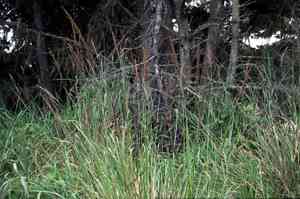
For pacific Reedgrass, the ideal period for relocation is in the lush phase of mid-to-late spring, facilitating strong root development prior to the intense summer warmth. Select a site offering sufficient humidity and filtered sunlight to replicate its native environment. Careful manipulation will yield superior integration.
What Preparations are Needed Before Transplanting Pacific Reedgrass?
What is the Ideal Time for Transplanting Pacific Reedgrass?
The optimal period for relocating pacific Reedgrass is during the peak of spring's warmth. This timeframe, occurring from mid to late spring, provides an ideal combination of mild temperatures and consistent moisture, fostering an environment where roots can flourish without the stress of summer heat or winter cold. Moving pacific Reedgrass when the weather is clear and the ground is soft not only promotes strong root development but also ensures the plant is well-established before the demands of summer arrive. Our garden plants can then enter the growing season with vigor and elegance, ready to display their lush foliage and ecological benefits. This careful timing contributes to a thriving garden, where pacific Reedgrass will gracefully sway with the gentle spring breezes.
How Much Space Should You Leave Between Pacific Reedgrass Plants?
When moving pacific Reedgrass, ensure adequate room for its growth. A spacing of 3-4 feet (0.9-1.2 meters) between each plant should be sufficient. This allows them to expand and flourish without obstruction.
What is the Best Soil Mix for Pacific Reedgrass Transplanting?
Prepare your soil by ensuring it's rich in organic matter, slightly damp, and drains well. Follow up with a foundational fertilizer abundant in nitrogen, phosphorus, and potassium. This mixture will nourish pacific Reedgrass from the outset!
Where Should You Relocate Your Pacific Reedgrass?
A location receiving partial to full sun exposure daily is excellent for pacific Reedgrass. Seek out a spot that gets 4-6 hours of sunlight, so your plants receive necessary energy while avoiding excessive heat.
What Equipments Should You Prepare Before Transplantation Pacific Reedgrass?
Gardening Gloves
To safeguard your hands while handling soil and pacific Reedgrass.
Trowel or Shovel
This tool will be used to excavate the hole for relocating the pacific Reedgrass.
Garden Fork
To assist in loosening the soil around the plant at its original site without harming the roots.
Watering Can
To hydrate the pacific Reedgrass before and after its relocation.
Mulch
Mulch will aid in retaining moisture around the newly transplanted pacific Reedgrass.
Wheelbarrow
To move larger pacific Reedgrass plants and substantial amounts of soil.
How Do You Remove Pacific Reedgrass from the Soil?
How Do You Remove Pacific Reedgrass from the Soil?
From Ground: First, moisten the pacific Reedgrass plant to dampen the soil. Next, gently probe around the roots with a garden fork to loosen the soil. Using a trowel or shovel, dig a wide trench around the pacific Reedgrass to keep the root ball intact. Carefully lift the plant and place it in the wheelbarrow.From Pot: Ensure to water the pacific Reedgrass an hour prior to transplant. Gently squeeze or tap the pot to loosen the soil. Hold the pacific Reedgrass at its base and slowly tilt the pot sideways to carefully ease the plant out. Be careful to avoid pulling or tugging on the stems.From Seedling Tray: Water the pacific Reedgrass thoroughly before transplanting. Once the soil is moist, gently scoop the pacific Reedgrass from underneath using a spoon or similar tool, being careful not to damage the roots and stem.
Step-by-Step Guide for Transplanting Pacific Reedgrass
Preparation
Start by submerging the root ball of pacific Reedgrass in a bucket of water for several minutes until no more air bubbles appear. Then, prepare a hole in the ground that is twice as wide as the root ball and deep enough for it to be at the same level as it was in its initial location.
Placement
Position your pacific Reedgrass in the hole, taking care to spread out the roots. Then, backfill the hole with the same soil you removed, gently patting it down to eliminate any air pockets.
Watering
Thoroughly water the pacific Reedgrass after planting. Be sure to water deeply so the moisture reaches the roots.
Mulching
Apply a thin layer of mulch around the base of the pacific Reedgrass to help conserve soil moisture and suppress weeds. Be sure not to pile the mulch against the stem of the plant to prevent rotting.
How Do You Care For Pacific Reedgrass After Transplanting?
Consistent Care
It's crucial to observe your pacific Reedgrass frequently after relocation to ensure it is adapting well to its new environment. Watch for wilting leaves or other indicators of stress. Adjust care as necessary.
Watering
Maintaining adequate moisture levels for your pacific Reedgrass is vital in the weeks following transplantation. Water regularly and thoroughly, ensuring the soil never completely dries out.
Weed Control
Keep the area around the pacific Reedgrass free of weeds to reduce competition for water and nutrients. Regularly remove any emerging weeds.
Protection
Be mindful of weather conditions. Shield your pacific Reedgrass from extreme conditions such as heavy rainfall, intense sunlight, or strong winds, as these could harm the plant while it's still acclimating to its new spot.
Patience
Finally, remember that transplanting is a stressful process for plants, and it may take time for your pacific Reedgrass to establish itself and resume growth.
Troubleshooting Common Issues with Pacific Reedgrass Transplantation.
What is the best time of year for transplanting pacific Reedgrass?
Relocate pacific Reedgrass during the middle to late growing season, which typically spans from late spring to mid-summer.
How much space should I leave between each pacific Reedgrass?
Allow ample room for growth by maintaining a gap of about 3-4 feet (approximately 0.9-1.2 meters) between each plant.
How deeply should I plant pacific Reedgrass when transplanting?
Keep the root ball of pacific Reedgrass at soil level or slightly below. Planting too deep can lead to poor growth and plant health.
Can I water pacific Reedgrass immediately after transplanting?
Yes, it's beneficial to thoroughly water pacific Reedgrass right after transplanting. This helps to settle the soil and eliminate air pockets.
What type of soil is best for transplanting pacific Reedgrass?
Pacific Reedgrass isn't overly particular, but well-drained soil with a pH range of 6.0-7.5 seems to suit them well. A soil test is always a good idea!
What to do if pacific Reedgrass shows signs of distress after transplanting?
Ensure it's receiving adequate water and its surroundings aren't overly crowded. Sometimes, pacific Reedgrass simply needs time to adjust. If symptoms persist, consult a horticulturist.
Should I add fertilizer during the transplanting of pacific Reedgrass?
Not immediately. Wait for a few weeks until pacific Reedgrass is established. Use a balanced slow-release fertilizer to support vigorous growth.
Is it possible to transplant pacific Reedgrass in the shade?
Pacific Reedgrass prefers full sun to partial shade. If the shade is too dense, the plant might become leggy and exhibit weak growth.
How to handle the roots of pacific Reedgrass during transplanting?
Handle the root ball with care to prevent any damage. Ensure the roots are spread out evenly in the planting hole before filling it with soil.
What is the ideal size of the hole for transplanting pacific Reedgrass?
The hole should be about twice the diameter and equal in depth to the root ball of pacific Reedgrass. This provides space for roots to spread.



