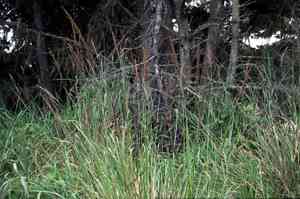
Pacific Reedgrass (Calamagrostis nutkaensis)
Also known as: Pacific Small-reedgrass
Nootka reedgrass, or *Calamagrostis nutkaensis*, is a perennial bunchgrass native to western North America. It grows in dense clumps and can reach heights of up to 1 meter.
In This Article
Attributes of Pacific Reedgrass
Lifespan
Perennial
Plant Type
Grass
Plant Height
61 cm to 1.5 m
Spread
60 cm
Leaf Color
Green
Flower Size
12 cm to 30 cm
Flower Color
White Yellow Green Cream Purple Brown
Images of Pacific Reedgrass
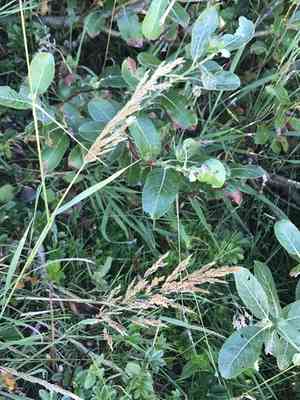
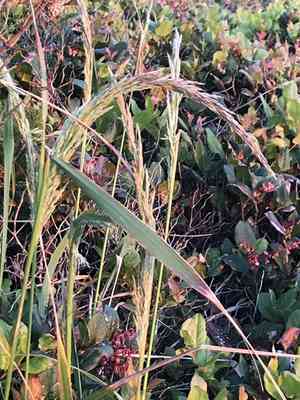
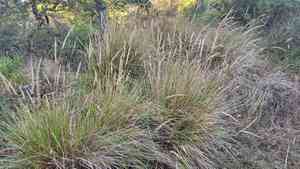
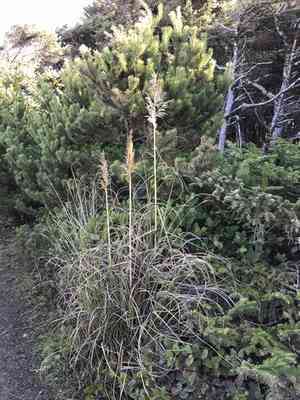
Quickly Identify Pacific Reedgrass
1
To identify Calamagrostis nutkaensis, look for a tall, clump-forming grass with narrow leaves and dense flower clusters. The flowering stems are slender and can reach up to 2 meters in height with feathery, purplish to brownish flower heads.
Scientific Classification of Pacific Reedgrass
Phylum
Vascular plants
Class
Monocotyledons
Order
Poales
Family
Grass
Genus
Reed grasses
Species
Pacific Reedgrass
Planting and Growing of Pacific Reedgrass
Care Difficulty
Easy
Watering Schedule
Every 2 days
Sunlight Requirements
Partial sun
Sunshine Duration
4-8 hours
Ideal Temperature
50-65℉
Soil Type
Potting Mix, Peat Mix
Soil pH
6.5-7.5
Fertilizer Type
Balanced
Pruning Season
Spring, Summer
Pruning Area
Branches, Leaves
Pruning Frequency
2 times a year
Repotting Season
Spring
Pot Type
Ceramic, Plastic
 How to Water Pacific Reedgrass?
Calamagrostis nutkaensis thrives when watered with approximately 500 milliliters per session. Aim to moisten the soil deeply, allowing water to penetrate about 6 inches into the ground. This ensures the roots receive adequate moisture to support lush, healthy growth without leaving the soil waterlogged.
What are the symptoms of an underwatered Pacific Reedgrass?
›
What should I do if my Pacific Reedgrass is not getting enough water?
›
What are the symptoms of an overwatered Pacific Reedgrass?
›
How to save an overwatered Pacific Reedgrass?
›
 What Are the Sunlight Requirements for Pacific Reedgrass?
Partial sun to full shade suits Calamagrostis nutkaensis best, promoting healthy development and vibrant coloration. Ideal lighting fosters strong photosynthesis, supports robust growth, and enhances its resilience against pests and diseases.
More About Sunlight Requirements Techniques→
Ideal Sun Exposure
›
Creative Solutions for Lighting
›
Benefits of Optimal Lighting
›
 What Is the Ideal Temperature Range for Pacific Reedgrass?
Calamagrostis nutkaensis thrives best in temperatures ranging from 50°F to 65°F. These conditions mimic its natural habitat, providing it with the warmth and moderate humidity it requires for robust growth. Being a grass adapted to temperate climates, maintaining this temperature helps ensure lush and vibrant foliage.
 What Soil is Best for Pacific Reedgrass?
Calamagrostis nutkaensis thrives in well-draining soil, which helps prevent root rot by allowing excess water to flow away. This feature ensures that the plant roots receive sufficient oxygen, promoting healthy growth. Soil rich in organic matter supplies essential nutrients and maintains moisture, which is crucial for the vigorous growth of Calamagrostis nutkaensis. It also helps improve soil structure, leading to better root penetration. The plant prefers soil with moderate fertility levels, which provides an adequate nutrient balance without causing excessive, weak growth that might occur in overly fertile conditions.
 How to Fertilize Pacific Reedgrass?
For Calamagrostis nutkaensis, it's important to avoid over-fertilizing as it can lead to reduced root development. Use a balanced liquid fertilizer diluted to half the recommended strength for indoor plants. Apply approximately one tablespoon of liquid fertilizer per gallon of water.
 How to Prune Pacific Reedgrass?
Start by identifying any dead, damaged, or diseased stems, as these should be your primary focus for removal. Use sharp, sterilized pruning shears to make clean cuts at the base of these unwanted stems. Next, thin out crowded areas to improve air circulation by removing some of the older, less vigorous stems. Doing so not only enhances the plant's overall health but also improves its aesthetic appeal. Be careful to preserve the more robust stems and new growth, ensuring the plant can regenerate well.
More About Pruning Techniques→
 How to Propagate Pacific Reedgrass plant?
1
Begin by choosing a well-draining potting mix or garden bed location. Enrich the soil with compost for added nutrients, ensuring optimal plant growth conditions.
2
Scatter the seeds evenly over the prepared soil. Lightly cover them with a thin layer of soil, ensuring they have access to sunlight and moisture for germination.
3
Carefully dig up the mature plant, ensuring minimal root disturbance. Use sharp pruning shears to divide the roots, replanting each section promptly in fertile, watered soil.
 How to Repot Pacific Reedgrass plant?
1
Calamagrostis nutkaensis should be repotted when you notice roots emerging from the drainage holes or when the plant appears too large for the pot. The best time is during the growing season, in Spring and early Summer, to ensure the plant has ample time to recover and re-establish. Another sign to watch for is when water takes too long to drain through the pot, indicating compacted soil or root overgrowth.
2
Choose a pot that's one size larger than the current one, with sufficient drainage holes to prevent waterlog. A ceramic or terracotta pot can be ideal as it ensures breathability, helping to keep the roots aerated. Ensuring a good drainage system not only helps prevent root rot but also promotes healthy root growth and overall plant vigor.
3
Opt for a well-draining potting mix consisting of equal parts of peat, bark, and perlite. This mixture ensures that excess moisture drains quickly, preventing root rot. The balance between moisture retention and drainage capacity is crucial for maintaining the optimal health of Calamagrostis nutkaensis, particularly when adjusting to a new pot.



