How to Propagate Pacific Reedgrass?
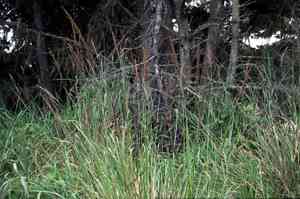
Pacific Reedgrass can be effectively multiplied by employing the technique of Division. This entails meticulously splitting the root mass into smaller portions during the initial part of spring or the latter part of autumn, times when the plant is dormant. Every separated piece ought to possess a robust segment of the root structure to guarantee successful regrowth. Following division, immediately re-embed each segment into a soil that drains efficiently and is abundant in organic matter to encourage vigorous root formation. Consistent irrigation and protection from harsh, direct sunlight initially will aid the newly divided plants in establishing themselves more proficiently.
Optimal Period for Propagating Pacific Reedgrass
Propagation Method
Division
Propagation Period
Spring,Autumn
Tools Utilized for Pacific Reedgrass Propagation
Garden spade or digging fork
These implements are vital for carefully extracting pacific Reedgrass from the ground without harming its root structure. A sharp garden spade or robust digging fork assists in cutting through soil and roots, simplifying the separation of plant sections for propagation. This tool is critical as pacific Reedgrass demands gentle handling to keep roots intact during the division process.
Root pruning shears
Specifically designed for root trimming, these shears are perfect for pruning pacific Reedgrass roots post-division. They facilitate clean cuts, which are essential for encouraging healthy root regeneration and preventing illnesses. The sharp, precise blades minimize root damage, boosting the survival rate of propagated divisions.
Watering can or hose with a gentle sprayer
Following the division and replanting of pacific Reedgrass, appropriate watering is crucial for the new plants to establish. A watering can or a hose with a soft spray attachment allows for even, gentle water distribution, preventing disruption of newly planted divisions. This aids in maintaining sufficient soil moisture, fostering root development and plant resilience.
Gardening gloves
These safeguard hands from sharp objects and keep skin clean while handling soil and plants. For propagating pacific Reedgrass, gloves also prevent any potential transfer of skin oils or contaminants to plant cuts, which could impede their recovery or lead to infections.
Organic mulch
Applying mulch around newly planted pacific Reedgrass helps retain soil moisture, regulate ground temperature, and suppress weed growth. This is important for maintaining an ideal growing environment for the new plants to establish. Additionally, organic mulch gradually decomposes, enriching the soil with beneficial nutrients for pacific Reedgrass.
How to Propagate Pacific Reedgrass?
Propagation Type
Easy
How to Nurture Your Newly Propagated Pacific Reedgrass?
How to Nurture Your Newly Propagated Pacific Reedgrass?
Post-propagation, caring for pacific Reedgrass involves maintaining consistently moist soil without waterlogging. Pacific Reedgrass thrives in areas with either partial or full sun and requires soil that drains well while retaining moisture. Regular irrigation is vital, especially during dry spells, to support the establishment of new plants. Furthermore, an annual application of a balanced fertilizer in early spring can promote robust growth and health of pacific Reedgrass.
Common Errors to Avoid When Propagating Pacific Reedgrass
Overwatering
Propagating pacific Reedgrass necessitates moderate moisture. Excessive watering can lead to root rot or fungal diseases, jeopardizing the plant's health and reducing propagation success.
Using non-draining containers
If containers lacking proper drainage are used, water may accumulate at the bottom. This creates an environment conducive to root diseases, impeding the healthy growth of pacific Reedgrass.
Insufficient root division
Pacific Reedgrass can be propagated through division. Improperly dividing the roots, either by being too rough or not ensuring each division has ample roots, can stress the plant, leading to poor establishment and growth.
Neglecting rhizome health
During propagation, particularly via division, overlooking the health of rhizomes can result in spreading disease or planting non-viable sections. This error significantly lowers the chances of successful propagation.
Advice for Propagating Pacific Reedgrass
Appropriate soil mixture
Utilizing a well-draining soil mix helps prevent waterlogging, which is crucial for the root health of pacific Reedgrass. A blend of loamy soil with some sand is ideal for facilitating drainage while retaining necessary moisture.
Careful division
When dividing pacific Reedgrass, ensure each section possesses healthy roots and at least one shoot. Gentle handling is important to prevent damage to the roots and rhizomes, promoting better recovery and growth after division.
Sufficient spacing
Provide ample space when planting divisions to ensure each has enough room to establish its root system. This helps prevent competition for resources and promotes healthier growth.
Regular monitoring
After propagation, observing pacific Reedgrass for signs of stress such as wilting or discoloration can aid in early detection and resolution of any issues like pest infestations or diseases.



