The Pacific Reedgrass Plant Advantage: Maximizing Home and Office Appeal and Wellness
1
Excellent for preventing soil erosion because of its strong root network.
2
Serves as an organic defense against non-native plants.
3
Offers vital living space for native animals and boosts ecological variety.
What Are the Key Characteristics of Pacific Reedgrass?
Growth Patterns and Habits
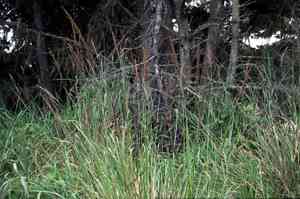
Pacific Reedgrass is recognized for its tall, elegant stems and clustered leaves. Originating from coastal areas, it flourishes in both moist and arid soils, making it highly adaptable.
Ideal Growing Conditions
It thrives in well-drained, sandy soils but also tolerates heavier, clay-rich environments. With high salinity tolerance, it's an excellent option for seaside gardens.
Why Use Pacific Reedgrass for Erosion Control?
Robust Root System
The plant's extensive root network helps bind soil particles, effectively preventing soil erosion. This is especially beneficial in areas prone to heavy rainfall or water flow.
Stabilizing Slopes and Banks
Pacific Reedgrass is frequently used in landscaping to stabilize slopes and riverbanks. Its roots penetrate deep into the soil, offering natural protection against landslides and soil movement.
How Does Pacific Reedgrass Benefit Local Ecosystems?
Promotes Biodiversity
By offering shelter and sustenance to various species, Pacific Reedgrass plays a vital role in fostering biodiversity. Birds, insects, and small mammals find refuge and food within its dense foliage.
Acts as a Natural Filter
The plant's root system aids in filtering pollutants from water, enhancing water quality in ponds and streams. This natural filtration process significantly contributes to healthier aquatic ecosystems.
In What Ways Is Pacific Reedgrass a Sustainable Landscaping Option?
Low Maintenance
Pacific Reedgrass requires minimal upkeep once established. It is drought-tolerant and pest-resistant, making it an ideal choice for sustainable gardening.
Natural Barrier Against Invasive Species
The dense growth of Pacific Reedgrass acts as a formidable natural barrier against invasive species, allowing native plants to thrive and ensuring ecological balance.
How to Incorporate Pacific Reedgrass in Your Garden?
Design Ideas
Integrate Pacific Reedgrass into your garden's design for a natural yet refined appearance. It pairs well with other native grasses and wildflowers, creating a picturesque and eco-friendly garden.
Planting and Care Tips
For optimal results, plant Pacific Reedgrass in early spring. Ensure it has ample room to spread, as its root system can expand considerably. Water regularly until established, then reduce watering as it is quite drought-resistant.
Why Choose Pacific Reedgrass for Restoration Projects?
Restoring Natural Habitats
Pacific Reedgrass is often utilized in habitat restoration projects due to its resilience and ecological advantages. It helps to regenerate degraded landscapes and restore natural habitats effectively.
Supporting Native Flora and Fauna
Incorporating Pacific Reedgrass in restoration efforts ensures that native flora and fauna have a conducive environment to flourish. This aligns with conservation goals and promotes ecosystem health.



