How to Prune Pacific Reedgrass?
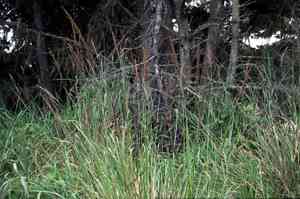
A resilient, enduring grass, pacific Reedgrass flourishes in shoreline environments. Trimming ought to be performed in early spring or winter to stimulate strong development. Sever aged foliage down to the soil surface prior to the appearance of fresh sprouts. Consistent trimming preserves well-being and fosters a neat appearance. The timing of the season is vital to strengthen the subsequent season's growth without disrupting the plant's inherent rhythm. Regular trimming offers the dual advantages of enhancing plant vitality and curbing excessive self-propagation.
What Are the Benefits of Pruning Pacific Reedgrass?
What Are the Benefits of Pruning Pacific Reedgrass?
Trimming pacific Reedgrass encourages strong growth and helps maintain its desired shape. By cutting back old stems selectively, gardeners promote fresh, vigorous shoots, enhancing pacific Reedgrass's beauty and ensuring a compact, structured look.
What Is the Best Time for Pruning Pacific Reedgrass?
What Is the Best Time for Pruning Pacific Reedgrass?
Pruning pacific Reedgrass in early spring is recommended as it aligns with the end of dormancy and the start of the new growth cycle, allowing the plant to quickly heal cuts and benefit from the upcoming growing season's energy. During this period, pacific Reedgrass can be shaped, have any dead or damaged winter foliage removed, and be encouraged to produce vigorous new growth. Winter, especially late winter, is also suitable for pruning, as pacific Reedgrass is dormant and less prone to stress. Additionally, without foliage, the plant's structure is more visible and accessible, making pruning more precise and effective. By following these seasons, gardeners ensure pacific Reedgrass is optimally prepared to thrive in the growing season, improving both its health and aesthetic appeal.
What Tools Do I Need to Prune Pacific Reedgrass?
Hand Pruners
Perfect for trimming and shaping pacific Reedgrass. Their sharp blades easily cut thin stems, allowing for precise cuts that promote healthy growth.
Grass Shears
These are specifically designed for cutting grasses and can be used to trim the edges of pacific Reedgrass clumps, especially to maintain a neat appearance and remove any unwanted or dead foliage.
Long-Handled Loppers
When pacific Reedgrass develops thicker, woody stems, long-handled loppers can help reach into denser parts of the plant to make clean cuts without damaging surrounding stems.
Garden Scissors
Useful for a quick tidy-up and for cutting dead leaves. The smaller size of garden scissors provides easy maneuverability for detailed work on pacific Reedgrass.
Pruning Saw
For older, tougher clumps of pacific Reedgrass where stems are too thick for hand pruners, a pruning saw can be used to cut through the base of old growth.
How to Prune Pacific Reedgrass
Disinfect
Before pruning pacific Reedgrass, ensure that pruning tools are properly disinfected to prevent disease spread.
Identify
Identify and assess the diseased and withered leaves on pacific Reedgrass that require trimming.
Cut
Carefully cut off diseased and withered leaves from pacific Reedgrass at their base where they meet healthy tissue to avoid plant damage.
Clean
Remove all trimmed material from the area around pacific Reedgrass to reduce the risk of disease spread or pest infestation.
Monitor
After pruning pacific Reedgrass, regularly monitor the plant to ensure its health and to determine if further pruning is needed.
Common Pruning Mistakes with Pacific Reedgrass
Overpruning
Removing too much foliage from pacific Reedgrass can weaken it, making it more susceptible to disease and reducing its vitality.
Improper cut locations
Making cuts too far from the nodes on pacific Reedgrass can leave unsightly and potentially harmful stubs that heal poorly.
Using dull tools
Dull pruning equipment can damage pacific Reedgrass's stems, leading to rough cuts that heal poorly and may attract pests and diseases.
Pruning without reason
Unnecessarily pruning pacific Reedgrass without a clear purpose, such as shaping, removing dead material, or improving air circulation, can stunt its growth.
Tearing stems
Tearing stems instead of making clean, precise cuts can increase stress on pacific Reedgrass and hinder its ability to recover and regenerate.
Ignoring plant health
Failing to assess the overall health of pacific Reedgrass before pruning can result in excessive stress if the plant is not in a robust state.
Common Pruning Tips for Pacific Reedgrass
Sharp clean tools
Use sharp, clean pruning shears to make clean cuts on pacific Reedgrass, promoting quicker healing and minimizing disease risks.
Cut at nodes
Make pruning cuts on pacific Reedgrass just above nodes where leaves attach to the stem to encourage healthier new growth.
Remove dead material
Regularly remove dead or damaged foliage from pacific Reedgrass to maintain plant health and vigor.
Thin crowded areas
Thin out crowded areas to improve light penetration and airflow around pacific Reedgrass's stems, which can help prevent disease.
Shape gradually
Shape pacific Reedgrass gradually over several seasons rather than all at once to minimize stress and maintain a natural appearance.
Evaluate before cutting
Evaluate the overall form and health of pacific Reedgrass before making cuts to ensure pruning aligns with the plant's growth habits and needs.



