How to Transplant Red spiderling?
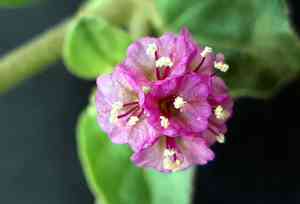
The ideal period for relocating red spiderling spans from the pleasant temperatures of late spring into the vigorous development phase of mid-summer. Select a brightly lit location with soil that drains effectively, guaranteeing that red spiderling's lively nature flourishes following its relocation.
What Preparations are Needed Before Transplanting Red Spiderling?
What is the Ideal Time for Transplanting Red Spiderling?
The optimal period for relocating red spiderling spans from the gentle warmth of late spring through the core of summer. This timing leverages longer daylight hours and moderate temperatures, creating an ideal setting for red spiderling to firmly establish its root system. By selecting this timeframe, you provide red spiderling with a strong beginning, benefiting from the nurturing sun and soft rains that support new growth. This schedule also aligns with red spiderling's natural growth cycle, enabling it to flourish and settle before autumn's chill. Furthermore, planting during this season allows red spiderling to enjoy an extended growing period, enhancing its presence in your garden. Remember to ensure the soil is prepared and welcoming for red spiderling's arrival!
How Much Space Should You Leave Between Red Spiderling Plants?
When rehousing your red spiderling, aim to provide each plant with ample personal space. A separation of approximately 18-24 inches (45-60 cm) is generally sufficient. This spacing allows them plenty of room to expand and thrive!
What is the Best Soil Mix for Red Spiderling Transplanting?
For your red spiderling, consider a comfortable bed of soil that drains effectively. Incorporate some organic compost as a foundational fertilizer to provide nourishment. This preliminary work will establish a robust base for healthy development!
Where Should You Relocate Your Red Spiderling?
Choose a bright location for your red spiderling, as they flourish in sunlight. A spot receiving full to partial sun exposure will ensure they absorb enough rays to prosper. Happy planting!
What Equipments Should You Prepare Before Transplantation Red Spiderling?
Gardening Gloves
To safeguard your hands while handling soil and plants.
Spade or Shovel
To excavate the red spiderling without harming its root ball.
Garden Fork
To loosen the soil surrounding the plant's roots during extraction.
Watering Can or Hose
To hydrate the plant prior to and following its relocation.
Wheelbarrow or Plant Pot
To move the red spiderling from its original spot to the new site.
Pruning Shears
To trim any damaged roots or foliage.
Mulch
To aid in moisture retention and weed suppression around the new planting area.
How Do You Remove Red Spiderling from the Soil?
How Do You Remove Red Spiderling from the Soil?
From Ground: Moisten the red spiderling plant's soil to make it more manageable. Use a spade or shovel to dig a wide trench around the plant, being careful not to damage the root ball. Gently slide the tool under the root ball to lift the plant cleanly from the ground.From Pot: Water the red spiderling in its container to lubricate the root ball. Lightly tap the pot's sides to loosen the soil. Invert or tilt the pot as needed and carefully guide the plant out, supporting the root ball with your hand.From Seedling Tray: Water the tray to ensure roots and soil are damp. Use a fork or your fingers to delicately lift the seedling by its leaves, not its stem, to minimize damage, and carefully separate the plant along with its root ball.
Step-by-Step Guide for Transplanting Red Spiderling
Preparation
Don your gardening gloves to protect your hands. Ensure all tools are sanitized to prevent disease transmission.
Removal from Original Location
Employ the methods described in the removal process to carefully extract red spiderling from the ground, pot, or seedling tray, preserving its root structure.
TransportCarefully
place the red spiderling in a wheelbarrow or plant pot for transfer to the new location, avoiding excessive disturbance.
Planting Hole
Excavate a hole in the ground that is twice the width of red spiderling's root ball and of equal depth, ensuring the plant is neither too deep nor too shallow.
Placing the Plant
Position the red spiderling centrally in the hole, gently spreading its roots. The top of the root ball should be level with the soil surface.
Refilling the Hole
Backfill the area around the plant with soil, lightly tamping it down to eliminate significant air pockets, which can dry out roots.
Watering After Planting
Thoroughly water the red spiderling to settle the soil and hydrate the roots, ensuring no waterlogging occurs.
Mulching
Apply a layer of mulch around the plant's base, keeping it away from the stem to conserve moisture and deter weeds.
How Do You Care For Red Spiderling After Transplanting?
Regular Watering
Ensure the soil remains consistently moist as red spiderling establishes itself. Water the plant's base rather than its foliage to promote proper root development.
Monitor for Stress
Observe red spiderling for indications of transplant shock, such as wilting or discolored leaves, and intervene as needed with gentle care and minor adjustments.
Pruning
If you notice any broken or damaged stems and leaves, use your pruning shears to carefully remove them, which can help red spiderling focus on developing new growth.
Troubleshooting Common Issues with Red Spiderling Transplantation.
When is the best time to transplant red spiderling?
The optimal period to move red spiderling is from late spring to mid-summer when mild weather supports root development.
How far apart should I space red spiderling?
Aim for a distance of 18-24 inches (45-60 cm) between plants to ensure sufficient room for growth.
How do I prepare the soil before transplanting red spiderling?
Enrich the soil with compost and ensure it's well-draining, loose, and moist to welcome red spiderling's roots.
Can I transplant red spiderling on a hot sunny day?
Avoid intensely hot days; transplant red spiderling during cooler parts of the day, such as early morning or late afternoon.
How deep should the hole be for transplanting red spiderling?
Dig a hole as deep as the root ball and twice as wide to give red spiderling a good start.
What's the proper way to remove red spiderling from a pot?
Gently ease red spiderling out, supporting the stem and root ball, to prevent damage to delicate roots.
Should I water red spiderling immediately after transplanting?
Yes, provide red spiderling with a generous watering to settle the soil around the roots and aid recovery.
Why are my transplanted red spiderling plants wilting?
Wilting could be due to shock or dehydration. Maintain consistent soil moisture and offer shade if necessary.
Can red spiderling be transplanted during flowering?
It's preferable to wait. Relocating red spiderling during active growth or blooming can stress the plant.
What should I do if the leaves of red spiderling start yellowing post-transplant?
Yellowing might indicate overwatering or poor drainage. Check moisture levels and adjust watering accordingly.



