How to Propagate Red spiderling?
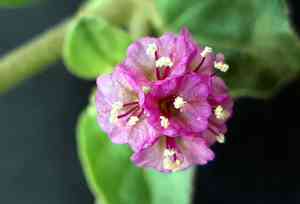
Red spiderling is typically multiplied by planting seeds. For effective sprouting, it's essential to create a soil blend that drains efficiently and to plant the seeds superficially, as this facilitates sufficient light exposure, which is vital for germination. Maintaining steady dampness without overwatering fosters robust seedling development. After seedlings have matured, they ought to be carefully relocated to prevent damage to their root structure. It is advantageous for cultivators to progressively introduce the young plants to external environments before transferring them to their permanent location.
Optimal Period for Red Spiderling Propagation
Propagation Method
Seeding
Propagation Period
Spring
Essential Tools for Red Spiderling Propagation
Seeding trays
Seeding trays are vital for initiating red spiderling from seeds. They offer a controlled setting, crucial for the consistent moisture and warmth needed for seed germination. The divided nature of these trays also prevents overcrowding, ensuring each seedling has ample room to grow without competition.
Fine-grained seed starting mix
A seed starting mix, especially one that is fine-textured and sterile, provides the perfect soil environment for the delicate red spiderling seeds. This type of mix ensures good soil aeration and drainage, which are critical for preventing damping off and other fungal diseases that can affect young seedlings.
Humidity dome
Placing a humidity dome over seeding trays helps maintain high humidity, which is essential for red spiderling germination. This tool also aids in keeping the temperature stable, thereby improving the overall germination rate and seedling vitality.
Watering can with a fine rose
A watering can equipped with a fine rose ensures water is distributed gently and evenly over the soil without disturbing the small, delicate red spiderling seeds. This helps preserve the seed layout and provides necessary moisture for germination without causing soil erosion or seed displacement.
Grow lights
When natural light is insufficient, particularly indoors, grow lights are crucial for providing the necessary light spectrum for healthy red spiderling seedling growth. They ensure plants receive enough light for photosynthesis, vital for robust development after germination.
Labeling tags
Using labeling tags assists in identifying red spiderling trays, especially when multiple species are propagated simultaneously. This ensures appropriate care and monitoring based on each plant species' specific needs during their critical early stages.
How to Propagate Red Spiderling?
Propagation Type
Simple
Caring for Your Newly Propagated Red Spiderling
Caring for Your Newly Propagated Red Spiderling
Post-germination, continue to provide red spiderling with ample light and keep the soil consistently moist but not waterlogged. As seedlings grow, thin them to prevent overcrowding, which can hinder growth due to resource competition. Gradually acclimate them to outdoor conditions before transplanting to their permanent spot. Regularly inspect for pests and diseases, treating them promptly to maintain healthy growth.
Common Errors to Avoid When Propagating Red Spiderling
Overwatering
Excessive watering can lead to root rot in red spiderling, which is particularly vulnerable due to its preference for well-drained soil. Too much water restricts oxygen to the roots, hindering proper growth and potentially causing plant demise.
Poor soil preparation
Using soil that is too dense or lacks proper aeration can impede the root development of red spiderling. This plant requires a loamy, well-draining soil to thrive, and compact soil can prevent roots from expanding and absorbing nutrients effectively.
Excessive use of fertilizer
While red spiderling benefits from nutrients, too much fertilizer can cause root burn and an imbalance in soil pH, negatively impacting health and growth. This can result in stunted development and reduced propagation success.
Tips For Propagating Red Spiderling
Stem cuttings
Utilizing healthy stem cuttings from a mature red spiderling plant can be an effective propagation method. Ensure cuttings are approximately 4-6 inches long and plant them in a moist soil mix, avoiding direct sunlight until roots are established.
Regular watering with moderation
Maintain moderate soil moisture to support red spiderling rooting without causing waterlogging. Consistent, but not excessive, watering helps the plant establish itself without the risk of root diseases.
Adequate sunlight and shade
Red spiderling thrives with a balance of sunlight and shade. While it needs sufficient sunlight for photosynthesis and growth, partial shade during the hottest parts of the day can prevent undue stress and promote healthier development.



