How to Overwinter Red spiderling
1
Place Red spiderling in soil that drains effectively to avoid root decay in winter.
2
Maintain indoor temperatures within 15-21°C (59-70°F) for best winter development.
3
Apply a premium mulch to shield outdoor Red spiderling from freezing injury.
Understanding Red spiderling and Its Frost Hardiness
Understanding Red spiderling and Its Frost Hardiness
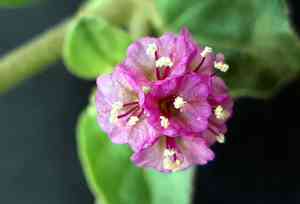
The Red spiderling, recognized for its vivid red blooms and spreading habit, is a semi-hardy plant. This implies it can endure mild frost but needs protection during severe cold. Grasping its frost tolerance helps determine optimal overwintering methods to keep your Red spiderling flourishing until spring.
Preparing Red spiderling for Overwintering
Assessing Plant Health and Pruning
Prior to winter's arrival, inspect your Red spiderling for any indications of illness or pest problems. Healthy plants have a greater chance of surviving the cold months. Trim away dead or damaged growth to make the plant more manageable and lessen stress.
Soil Preparation and Mulching
Proper soil preparation is vital for overwintering. Ensure the soil drains well to prevent root rot, which is common in winter. Apply a thick layer of mulch around the plant's base, approximately 5-10 cm (2-4 inches) deep. This insulation helps maintain stable soil temperature and moisture.
Effective Indoor Overwintering Tips for Red spiderling
Choosing the Right Indoor Location
Select an indoor spot that receives indirect sunlight. A bright window sill or a sunroom works well. Ensure the location is away from drafts, heating vents, and cold windows to maintain a consistent environment.
Temperature and Humidity Control
Maintain indoor temperatures between 15-21°C (59-70°F). This range offers ideal conditions for Red spiderling to stay healthy. Humidity levels should be moderate. You can use a humidifier if the indoor air becomes too dry, especially in heated rooms.
Light Requirements
While Red spiderling doesn't need direct sunlight, it requires sufficient light to sustain its growth over winter. If natural light is inadequate, consider using grow lights to provide the necessary intensity. Position the lights about 30 cm (12 inches) above the plant.
Watering and Feeding
Water your Red spiderling sparingly during winter. Overwatering can lead to root rot. Check the soil; if the top 2-3 cm (1 inch) feels dry, it's time to water. Reduce feeding during this period, but you can provide a diluted fertilizer once a month to keep the plant nourished.
Common Overwintering Issues and Solutions
Dealing with Pests and Diseases
Winter can be a challenging time for plants due to increased susceptibility to pests and diseases. Check your Red spiderling regularly for signs of infestation, such as discolored leaves or sticky residue. Neem oil or insecticidal soap can be effective remedies. Ensure good airflow around the plant to prevent fungal infections.
Handling Sudden Temperature Changes
Abrupt drops in temperature can stress your Red spiderling. If you're moving the plant indoors, acclimate it gradually by bringing it in at night and out during the day for a week. For outdoor plants, use frost cloths or cloches during unexpected cold snaps to provide temporary warmth.



