Enhancing Your Garden Design with the Red spiderling Plant: A Landscaping Guide
1
Red spiderling exhibits a distinctive growth habit, enriching any garden with its aesthetic appeal.
2
Strategic placement of Red spiderling can boost its visual charm and ecological advantages.
3
Red spiderling aids local fauna and plays a vital role in diverse ecosystems.
Introducing Red spiderling to Your Garden
Understanding the Growth Pattern of Red spiderling
Red spiderling displays a distinct growth habit that can be a key element in any landscape design. This plant tends to spread, creating a ground cover effect that effectively fills spaces. Its growth pattern not only adds a textured layer to the garden but also helps reduce soil erosion and suppress weeds. By understanding how Red spiderling grows, you can strategically place it to maximize its aesthetic and functional benefits.
Optimal Planting Locations for Red spiderling in Landscapes
Finding the ideal spot for Red spiderling is crucial for its success in your garden. This plant thrives in well-drained soils and tolerates various lighting conditions, from full sun to partial shade. Consider planting Red spiderling where its sprawling nature can be fully appreciated, such as along pathways, borders, or beneath taller plants as an understory filler. Its adaptability makes it a versatile choice for different landscaping scenarios.
Seasonal Considerations for Planting Red spiderling
The timing of planting Red spiderling can significantly impact its growth and development. Ideally, Red spiderling should be planted in spring or early summer, allowing ample time to establish before colder months. During the growing season, ensure it receives sufficient water, especially when newly planted. By considering its seasonal needs, you can ensure a healthy and vibrant addition to your landscape.
Design Principles with Red spiderling
Creating Color Contrasts with Red spiderling
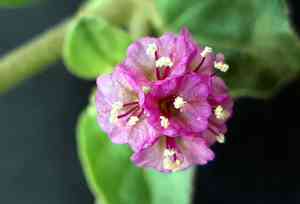
One of Red spiderling's most compelling features is its ability to create striking color contrasts in your garden. Its vibrant foliage and flowers can stand out against darker greens and other plant hues, providing an eye-catching focal point. When designing, consider pairing Red spiderling with plants that have complementary or contrasting colors to highlight its natural beauty.
Incorporating Red spiderling into Thematic Gardens
Red spiderling is an excellent addition to various thematic gardens due to its versatility and unique aesthetic. Whether you're designing a xeriscape, a pollinator-friendly garden, or a tropical-themed landscape, Red spiderling can easily fit. Its adaptability allows it to blend seamlessly into different garden themes, enhancing the overall aesthetic while contributing to the garden's functional goals.
Balancing Aesthetics and Maintenance with Red spiderling
While Red spiderling is visually appealing, it requires some maintenance to keep it looking its best. Regular pruning helps manage its growth and prevents it from overtaking other plants. Monitoring for pests and diseases is also important for its health. By balancing its maintenance needs with its aesthetic benefits, you can ensure a beautiful and sustainable landscape.
Ecological Benefits of Red spiderling in Landscapes
Supporting Local Wildlife with Red spiderling
Red spiderling offers numerous ecological benefits, particularly in supporting local wildlife. Its flowers attract pollinators like bees and butterflies, while its dense growth provides shelter for small animals and insects. By incorporating Red spiderling, you're not only enhancing visual appeal but also contributing to a more vibrant and healthy ecosystem.
Contribution of Red spiderling to Biodiversity
Adding Red spiderling to your garden can significantly boost local biodiversity. This plant supports a variety of species, fostering a balanced and diverse environment. Its presence helps maintain ecological balance, providing food and habitat for various organisms. Consider Red spiderling as a multipurpose plant that brings more than just beauty to your garden.
Water Conservation Features of Red spiderling
Red spiderling is known for its drought-tolerant properties, making it an excellent choice for water-wise gardening. Once established, it requires minimal watering, which can reduce your garden's overall water usage. This feature is particularly beneficial in drought-prone areas or for gardeners seeking sustainable, low-maintenance landscapes.



