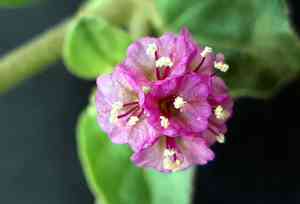
Red spiderling (Boerhavia diffusa)
Also known as: Tarvine, Hogweed, Wineflower
Boerhavia diffusa, commonly known as Red Spiderling, is a perennial herb recognized for its delicate pink flowers. This plant's roots are consumed by native Australian cultures, and it is also used as a leafy vegetable in various Asian and African regions. However, it is considered an invasive species in several countries, including Cambodia, Chile, and Japan.
In This Article
Attributes of Red spiderling
Lifespan
Perennial, Annual
Plant Type
Herb
Plant Height
91 cm
Spread
2 m
Leaf Color
Green
Flower Size
2.5 cm
Flower Color
Pink Purple
Images of Red spiderling
Quickly Identify Red spiderling
1
Boerhavia diffusa can be identified by its broad, ovate leaves that are oppositely arranged and have a slightly wavy margin. The stems are reddish, trailing, and often form dense mats. The small flowers are pinkish or reddish, and the fruit is a small, five-ribbed capsule.
Scientific Classification of Red spiderling
Phylum
Vascular plants
Class
Dicotyledons
Order
Caryophyllales
Family
Four o'clock
Genus
Spiderlings
Species
Red spiderling
Planting and Growing of Red spiderling
Care Difficulty
Easy
Watering Schedule
Every 2 days
Sunlight Requirements
Full sun
Sunshine Duration
6-8 hours
Ideal Temperature
68-86℉
Soil Type
Potting Mix, Peat Mix
Soil pH
6.5-7.5
Fertilizer Type
Balanced
Pruning Season
Spring, Summer
Pruning Area
Branches, Leaves
Pruning Frequency
Once a year
Repotting Season
Spring
Pot Type
Plastic, Ceramic
 How to Water Red spiderling?
Boerhavia diffusa, known for its hardy nature, requires a watering amount of approximately 500 milliliters per session. The key principle is to water thoroughly, ensuring that the moisture penetrates deeply into the soil without leaving it soggy. Allowing the top inch of soil to dry out before the next watering is crucial to preventing root rot.
What are the symptoms of an underwatered Red spiderling?
›
What should I do if my Red spiderling is not getting enough water?
›
What are the symptoms of an overwatered Red spiderling?
›
How to save an overwatered Red spiderling?
›
 What Are the Sunlight Requirements for Red spiderling?
Boerhavia diffusa ideally thrives in partial to full sun settings, receiving around 4-6 hours of light daily. Proper light exposure encourages vigorous growth, produces lush leaves, and generates the energy needed for flowering.
More About Sunlight Requirements Techniques→
What is the preferred light environment for Boerhavia diffusa?
›
How do you ensure Boerhavia diffusa gets optimal light conditions?
›
What are the benefits of providing ideal lighting for Boerhavia diffusa?
›
 What Is the Ideal Temperature Range for Red spiderling?
For Boerhavia diffusa, the ideal temperature range lies between 68°F and 86°F. This range allows for optimal physiological processes, such as photosynthesis and nutrient uptake, leading to sustained and robust growth. Maintaining this temperature ensures the plant can thrive without the stress that extreme temperatures might impose.
 What Soil is Best for Red spiderling?
Boerhavia diffusa thrives in well-drained soil conditions. This type of soil allows excess water to exit quickly, preventing the roots from sitting in water and rotting. It ensures that the roots get enough air and nutrient exchange, crucial for healthy growth. This plant prefers soil with moderate fertility, meaning it doesn't require overly rich soil. Balanced nutrients ensure steady growth without the risk of nutrient burn that can occur in overly fertilized soils. While Boerhavia diffusa prefers well-drained soil, it still benefits from soil that can retain adequate moisture. This balance helps maintain consistent soil moisture, which is essential for its growth, especially in drier climates.
 How to Fertilize Red spiderling?
For Boerhavia diffusa, moderate fertilization is recommended. Use a balanced liquid fertilizer at half the recommended strength to avoid burning the roots. Over-fertilizing can harm the plant, so it's important to follow the dilute instructions.
 How to Prune Red spiderling?
Begin by identifying older and weaker stems on your Boerhavia diffusa. Use sharp, sterilized scissors or pruning shears to remove these stems at the base. Cut above a healthy leaf node to encourage new growth. Focus on keeping the plant open and airy to allow for good air circulation, which minimizes the risk of fungal diseases. Remember to step back occasionally to ensure the plant maintains its desired shape and size.
More About Pruning Techniques→
 How to Propagate Red spiderling plant?
1
Collect mature seeds from the Boerhavia diffusa plant. Clean them thoroughly and soak them in water overnight to enhance germination rates before planting in soil.
2
Choose a healthy branch and cut a 6-inch section just below a node. Remove the lower leaves to reduce water loss before planting.
3
Dip the cut end of the cutting in rooting hormone to encourage root growth, then plant it in potting mix, keeping it moist until roots develop.
 How to Repot Red spiderling plant?
1
Boerhavia diffusa should be repotted when you notice roots protruding from the drainage holes or the plant outgrows its pot. Spring and summer are ideal times, as the growing season promotes root establishment. Repotting during these times reduces stress and ensures healthier growth.
2
Select a pot that is one size larger than the current one. Ensure it has drainage holes to prevent waterlogging, which could lead to root rot. A larger pot provides space for root expansion and reduces the need for frequent repotting.
3
Opt for a well-draining, loamy soil mix, which retains moisture without becoming soggy. This type of soil supports nutrient delivery while preventing root rot and compaction. A balanced soil mix also fosters a robust root system.
Learn More About Red spiderling Diseases
Anthracnose
Bacterial Leaf Spot
Bacterial Soft Rot
Bacterial Wilt
Chemical Injury
Cyst Nematode
Damping-off
Downy Mildew
Drought Stress
Fusarium Wilt
Gray Mold
Leaf Spot
Mosaic
Nutrient Deficiency
Nutrient Toxicity
Powdery Mildew
Root Rot
Root-knot Nematode
Rusts
Sooty Mold
Spider Mites
Temperature Stress
Thrips Damage
White Mold



