How to Prune Red spiderling?
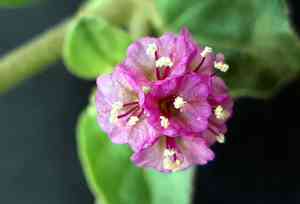
A sprawling perennial featuring abundant pink blossoms, red spiderling flourishes across diverse soil types. To achieve peak development, trim back excessively long stems and consistently eliminate any withered or compromised leaves, particularly following bloom periods. Trimming is most effective during the spring and summer months to foster denser growth and boost flower production. Exercise caution to avoid excessive pruning, as red spiderling benefits from its inherent, spreading nature. Pruning improves the plant's robustness and can manage its expansion within garden environments.
Advantages of Trimming Red Spiderling
Advantages of Trimming Red Spiderling
Trimming red spiderling promotes robust development and maintains its form. It fosters a denser, healthier plant by encouraging new leaves, potentially boosting its medicinal qualities. Regular cutting keeps red spiderling compact, lowering the chance of pest issues and illness.
Optimal Time for Pruning Red Spiderling
Optimal Time for Pruning Red Spiderling
Pruning in Spring coincides with red spiderling's post-dormancy growth surge, stimulating new development and vitality. Early Summer trimming helps preserve shape, manage size, and remove spent blooms or seed heads to encourage a second flowering and prevent unwanted self-seeding. Pruning during these periods supports red spiderling's natural growth cycle, ensuring the plant stays healthy and attractive all year.
Tools Required for Pruning Red Spiderling
Bypass Pruners
Perfect for making clean cuts on red spiderling's green, soft stems without harming plant tissue. Designed for precision, they are suitable for snipping off unwanted or overgrown stems.
Gloves
Essential for protecting hands from thorns or rough plant material while pruning red spiderling, ensuring safety and comfort during the task.
Shears
Useful for shaping and trimming red spiderling's foliage, especially when dealing with multiple stems or dense growth. Shears allow for quick and efficient work on softer plant matter.
Pruning Saw
Suitable for cutting through thicker, woodier stems that bypass pruners cannot manage, though this is less common with red spiderling. A pruning saw may be used for more mature plants with significant growth.
Loppers
Can be used on red spiderling for reaching difficult-to-access stems or when more leverage is needed for thicker stems, typically not required for red spiderling but helpful for mature or densely grown specimens.
How to Prune Red Spiderling
Sanitize Tools
Before pruning red spiderling, clean and sanitize all pruning tools to prevent disease spread to healthy plant parts.
Remove Diseased Leaves
Carefully trim away any diseased leaves found on red spiderling. Make cuts at the base of each leaf stalk, ensuring no damage to adjacent healthy tissues.
Eliminate Withered Leaves
Next, prune withered leaves, as they can drain energy from red spiderling that would be better used for new growth. Clip these leaves close to their base without harming new buds or stems.
Prune Diseased Stems
Identify and remove any diseased stems. Cut stems back to healthy tissue, well below the affected area, to encourage healthy growth in red spiderling.
Final Sanitation
After pruning, sanitize tools again and dispose of all removed plant material away from red spiderling to prevent reinfection or pest attraction.
Common Pruning Errors with Red Spiderling
Excessive Pruning
Removing too much foliage or too many stems at once can shock red spiderling and impair its ability to photosynthesize effectively.
Incorrect Cut Placement
Cutting too close to or too far from the node can either harm the plant or leave unsightly stubs that do not heal properly.
Using Dull Tools
Employing dull or dirty pruning tools can create jagged cuts that are more prone to infection and do not heal as cleanly.
Ignoring Unhealthy Sections
Failing to remove diseased or damaged sections can allow the disease to spread throughout red spiderling, compromising its health.
General Pruning Advice for Red Spiderling
Targeted Pruning
Focus on removing only necessary parts of red spiderling, such as dead or overcrowded stems, to maintain plant health and shape without over-trimming.
Clean Cuts
Ensure cuts are clean and made at a 45-degree angle just above a leaf node or branching point to promote faster healing and new growth.
Tool Sterilization
Before pruning, sterilize pruning tools with a solution like diluted bleach to prevent the spread of pathogens to red spiderling.
Post-Pruning Care
After pruning, provide red spiderling with sufficient water and consider a balanced fertilizer to aid recovery and new growth.



