How to Transplant Arabian pea?
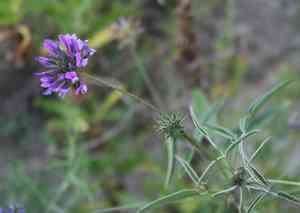
For arabian pea, the ideal time for relocation extends from the vibrant warmth of mid-spring through the milder period of late spring. Select a sunny location with good drainage to support its developmental requirements. Careful handling during the transplanting process safeguards root health and overall plant vigor.
What Preparations are Needed Before Transplanting Arabian Pea?
What is the Ideal Time for Transplanting Arabian Pea?
The optimal period for relocating arabian pea spans from the onset of mid-spring to the peak of late spring. During this timeframe, moderate temperatures and increasing daylight hours foster an environment conducive to strong root development and vigorous growth, ensuring a smooth transition for arabian pea. Moving arabian pea in this season capitalizes on prime soil conditionsâmoist yet warm, which is vital for root establishment. This timing also guarantees arabian pea will have sufficient time to acclimate before the rigors of summer heat or potential winter cold. Remember to gently introduce arabian pea to their new spot by enriching the soil with ample nutrients, providing a welcoming start in their new home.
How Much Space Should You Leave Between Arabian Pea Plants?
Greetings, aspiring gardener! For your arabian pea, aim to provide each plant ample room to thrive. Position them approximately 12-15 inches (30-38 cm) apart. This spacing will allow their roots to expand and aerate, fostering a healthy growing environment.
What is the Best Soil Mix for Arabian Pea Transplanting?
To create an ideal habitat for your arabian pea, blend a well-draining soil with some organic compost as a foundational fertilizer. Sandy loam or a mixture with a similar consistency will keep your arabian pea flourishing. Remember, healthy soil leads to thriving plants!
Where Should You Relocate Your Arabian Pea?
Your arabian pea thrives in abundant sunlight! Select a location in your garden that receives full sun for the majority of the day. A sunny spot will ensure your arabian pea gets the warm embrace it requires to grow robust and vibrant.
What Equipments Should You Prepare Before Transplantation Arabian Pea?
Gardening Gloves
To safeguard your hands while handling soil and plants.
Shovel or Spade
For excavating and moving the plant.
Trowel
For detailed work and minor adjustments around the root system.
Watering Can or Hose
To hydrate the plant before and after its relocation.
Pruning Shears
To trim any damaged roots or overgrown foliage.
Wheelbarrow or Plant Dolly
To transport the plant if it is large or heavy.
Rooting Hormone (optional)
To stimulate root development post-transplant.
Mulch
To help maintain moisture levels around the newly transplanted specimen.
How Do You Remove Arabian Pea from the Soil?
How Do You Remove Arabian Pea from the Soil?
From Ground: Hydrate the arabian pea plant to moisten the soil, making it easier to manage. Use a shovel or spade to dig a wide circle around the root ball, being careful not to sever any roots. Gently slide the spade beneath the root ball and lift the plant from the ground. If the plant is large, you might need assistance or a plant dolly.From Pot: Begin by watering your arabian pea until the soil is damp. Turn the pot on its side and gently tap or shake it to dislodge the plant. If the plant doesn't slide out, you may need to squeeze the pot or run a trowel along the inner edge to help free the roots.From Seedling Tray: Moisten the soil in the tray to facilitate root removal. Use a trowel or your fingers to gently lift the soil surrounding the seedling's roots and carefully extract the arabian pea from its compartment in the tray.
Step-by-Step Guide for Transplanting Arabian Pea
Prepare the New Site
Ensure the hole you dig for your arabian pea is twice the width of its root ball and equally deep to allow roots to expand.
Removing the arabian pea
Following the removal instructions above, carefully extract your arabian pea from its current spot, taking care not to harm the roots.
Preparing the Root Ball
If the roots are densely packed, gently loosen them with your fingers or use pruning shears to trim any broken or excessively long roots.
Placement in New Hole
Position the arabian pea in the center of the new hole. Confirm it's at the same depth as it was in its previous location. Backfill the hole with soil and gently firm it down to eliminate air pockets.
Watering
Thoroughly water the plant to settle the soil around the roots and help alleviate transplant shock.
Mulching
Apply a layer of mulch around the base of the arabian pea to help retain moisture and regulate soil temperature.
How Do You Care For Arabian Pea After Transplanting?
Monitoring
Keep a close watch on your arabian pea, looking for indicators of stress such as wilting or leaf discoloration.
Watering
Maintain consistent soil moisture; irrigate when the top inch of soil feels dry to the touch.
Staking
If your arabian pea is tall or top-heavy, insert a stake into the ground and loosely secure the plant to it for support.
Pruning
Trim any dead or dying leaves to direct the arabian pea's energy towards healthy growth.
Fertilizing
After a couple of weeks, begin light fertilization to encourage growth, adhering to any specific guidelines for arabian pea.
Troubleshooting Common Issues with Arabian Pea Transplantation.
When's the prime time to transplant arabian pea?
The ideal moment is mid to late spring, when weather promotes robust growth.
How far apart should I space arabian pea when transplanting?
Keep a good spread of 12-15 inches (30-38 cm) between plants for optimal growth.
Why is my arabian pea wilting after transplant?
Wilting post-transplant can be due to shock. Ensure gentle handling and adequate watering.
What's the best soil for transplanting arabian pea?
Use well-draining soil rich in organic matter to keep arabian pea thriving.
How much should I water arabian pea after transplanting?
Water thoroughly post-transplant, then maintain consistent moisture without overwatering.
Why isn't my arabian pea growing after transplant?
Check for compact soil, poor light, or incorrect watering. Proper care enhances growth.
How deep should I plant arabian pea's root ball?
Plant the root ball at the same depth it was in its previous pot.
Can I transplant arabian pea during summer or fall?
It's possible, but spring transplanting aligns better with arabian pea's growth cycle.
How to protect arabian pea from transplant shock?
Minimize root disturbance, shade from intense sun, and provide ample water initially.
What if arabian pea's leaves turn yellow after transplanting?
Yellow leaves might signal overwatering or nutrient deficiency. Adjust care accordingly.



