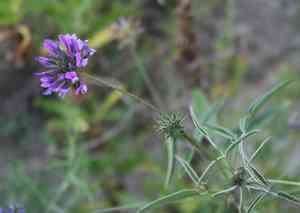
Arabian pea (Bituminaria bituminosa)
Also known as: Bitumen trefoil, Scurvypea
Easily recognized by the strong scent of tar coming from its leaves, arabian pea is a perennial herb originating in the Mediterranean. It is listed as an invasive species in the US and Ukraine. In some parts of the world, however, arabian pea has been used to help rehabilitate heavy metal-contaminated soils.
In This Article
Attributes of Arabian pea
Lifespan
Perennial
Plant Type
Herb, Shrub
Plant Height
20 cm to 1 m
Spread
60 cm
Leaf Color
Green Gray
Flower Size
5 mm
Flower Color
Purple Pink Violet
Images of Arabian pea
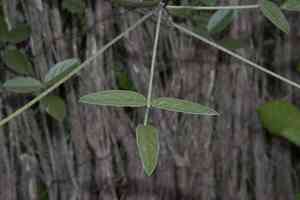
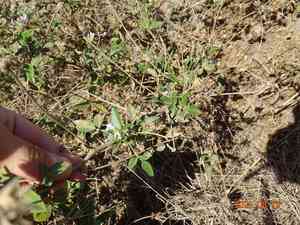
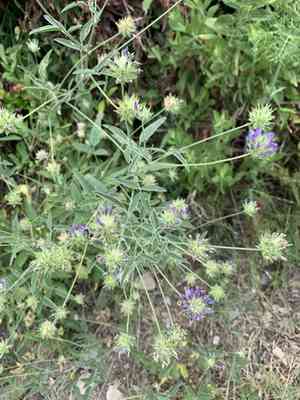
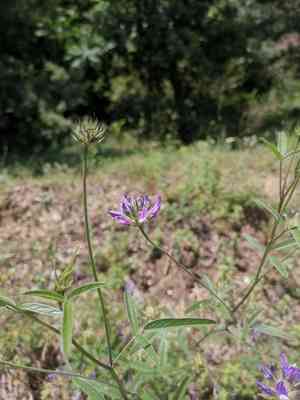
Quickly Identify Arabian pea
1
To identify Bituminaria bituminosa, look for its distinctive trifoliate leaves and purple-blue flowers. The plant exudes a strong bituminous smell when the leaves are crushed. The stem is typically erect and can reach heights of up to 1.5 meters.
Scientific Classification of Arabian pea
Phylum
Vascular plants
Class
Dicotyledons
Order
Fabales
Family
Legume
Genus
Bituminaria
Species
Arabian pea
Planting and Growing of Arabian pea
Care Difficulty
Easy
Watering Schedule
Every 2 days
Sunlight Requirements
Full sun
Sunshine Duration
4-6 hours
Ideal Temperature
60-80℉
Soil Type
Potting Mix, Peat Mix
Soil pH
6.5-7.5
Fertilizer Type
Balanced
Pruning Season
Spring, Summer
Pruning Area
Branches, Leaves
Pruning Frequency
2 times a year
Repotting Season
Spring
Pot Type
Plastic, Ceramic
 How to Water Arabian pea?
Bituminaria bituminosa thrives in arid conditions and does not require frequent watering. Watering should be done until the soil is damp but not saturated, ensuring a light and consistent moisture level throughout the soil.
What are the symptoms of an underwatered Arabian pea?
›
What should I do if my Arabian pea is not getting enough water?
›
What are the symptoms of an overwatered Arabian pea?
›
How to save an overwatered Arabian pea?
›
 What Are the Sunlight Requirements for Arabian pea?
Bituminaria bituminosa benefits from full sun exposure, preferring 6 to 8 hours daily. This light sufficiency nurtures robust growth, encourages plentiful flowering, and enables the plant to withstand varying weather conditions, enhancing overall resilience.
More About Sunlight Requirements Techniques→
What type of sunlight is ideal for Bituminaria bituminosa?
›
How can I ensure Bituminaria bituminosa receives ideal lighting?
›
What are the benefits of ideal lighting for Bituminaria bituminosa?
›
 What Is the Ideal Temperature Range for Arabian pea?
Bituminaria bituminosa thrives best in moderate climates similar to those of its native Mediterranean region. The ideal temperature range of 60°F to 80°F provides optimal conditions for its growth and photosynthesis, ensuring it can develop robust roots and foliage. Environments that match these temperatures will likely see healthier plant specimens with vibrant foliage.
 What Soil is Best for Arabian pea?
Bituminaria bituminosa thrives in well-drained soil conditions. This requirement ensures that excess water is efficiently removed, preventing root rot and promoting healthy root development, thus fostering a robust plant structure. This plant benefits from soil rich in organic matter. The presence of essential nutrients supports vigorous growth and enhances the plant's resilience against environmental stressors, leading to lush foliage and abundant flowering. While Bituminaria bituminosa prefers well-drained soil, it also requires a moderate level of moisture retention to sustain its growth during dry periods. This balance helps the plant maintain its vitality and continuous growth without experiencing water stress.
 How to Fertilize Arabian pea?
For Bituminaria bituminosa, it's important to be moderate with fertilizer to avoid nitrogen burn. A general guideline is to use about 1/4 to 1/2 strength of the recommended dose on the fertilizer package. Plants respond well to balanced fertilizers high in phosphorus and potassium, which support strong root and flower development.
 How to Prune Arabian pea?
Begin by identifying any dead, damaged, or diseased branches. These should be the first to go. Removing unhealthy branches prevents the spread of disease and redirects energy to healthier parts of the plant. Shape the plant by pruning back branches that disrupt the plant's desired shape. Focus on creating an even and balanced structure. This not only improves aesthetics but also ensures optimal light penetration to all parts of the plant. Clip the tips of the branches to encourage bushier growth. This practice stimulates the plant to produce more foliage, which can improve the plant’s vigor and decorative appeal.
More About Pruning Techniques→
 How to Propagate Arabian pea plant?
1
Start by filling the seed tray with a well-draining potting mix. Sow the seeds of Bituminaria bituminosa and lightly cover them with soil. Maintain consistent moisture and place the tray in a warm, sunny location.
2
Select a healthy stem from the parent plant, and cut a segment about 10 cm long using gardening scissors. Remove the lower leaves and dip the end in rooting hormone before planting it in a pot filled with potting mix.
3
Once planted, ensure the seeds or cuttings are regularly watered but never waterlogged. Keep the environment humid, either by covering with a plastic dome or misting regularly.
 How to Repot Arabian pea plant?
1
Look for signs such as roots growing out of the drainage holes, or if Bituminaria bituminosa appears stunted or yellowing. This indicates it's time for a new pot.
2
Select a pot that's slightly larger than the current one, with adequate drainage holes. This prevents water logging and encourages healthy root growth, essential for this species.
3
Use a well-draining, sandy soil mix. This mimics the plant's natural habitat, prevents root rot, and supports optimal nutrient uptake, ensuring healthy growth.
Toxicity
ingestion
WARNING
The judgment on toxicity and danger is for reference only. We DO NOT GUARANTEE any accuracy of such judgment. Therefore, you SHALL NOT rely on such judgment. It is IMPORTANT TO SEEK PROFESSIONAL ADVICE in advance when necessary.
Learn More About Arabian pea Diseases
Anthracnose
Bacterial Leaf Spot
Bacterial Wilt
Crown Gall
Cyst Nematode
Damping-off
Downy Mildew
Drought Stress
Fusarium Wilt
Gray Mold
Leaf Curl
Leaf Spot
Mosaic
Nutrient Deficiency
Nutrient Toxicity
Powdery Mildew
Root Rot
Root-knot Nematode
Rusts
Sooty Mold
Spider Mites
Temperature Stress
Thrips Damage
White Mold



