How Much Sunlight Do Arabian pea Need?
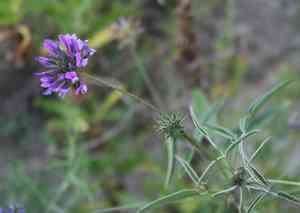
1
Arabian pea flourishes optimally with a minimum of 6 hours of direct sun each day.
2
Some shade is acceptable, though not optimal for peak development.
3
Too much or too little sun exposure can negatively impact the Arabian pea's vitality and development.
Optimal Light Conditions for Arabian pea
Full Sun Requirements
The Arabian pea thrives in settings where it can absorb ample sunlight. Full sun implies the plant should get a minimum of 6-8 hours of direct sun daily. This level of exposure helps the Arabian pea maintain its vibrant green foliage and enhances its blooming potential.
Partial Shade Tolerance
While the Arabian pea ideally prefers full sun, it can endure partial shade. This means the plant can develop in areas receiving direct sunlight for approximately 3-4 hours, and indirect or filtered light for the remainder of the day. However, remember that excessive shade might lead to fewer blooms and lankier growth.
Light Intensity and Duration for the Arabian pea
Optimal Hours of Sunlight
For peak development, it is best to ensure the Arabian pea receives at least 6 to 8 hours of sunlight daily. Morning sun is especially beneficial as it tends to be less harsh than midday sun, reducing the risk of leaf burn.
Seasonal Variations
The amount of sunlight the Arabian pea requires can fluctuate slightly with the seasons. During summer, the sun is more intense and days are longer, so some afternoon shade might be advantageous. Conversely, in winter, maximizing sun exposure is vital due to shorter days and less intense sunlight.
Impact of Insufficient Sunlight on Arabian pea Growth
Signs of Too Little Sunlight
When the Arabian pea does not receive adequate sunlight, it displays several indicators. The most prominent include elongated stems as the plant stretches toward the light, pale or yellowing leaves, and reduced or absent flowering. These suggest the plant is not photosynthesizing sufficiently.
Effects of Excessive Sunlight
Conversely, too much direct sunlight, particularly during peak midday hours, can cause leaf scorch. This appears as brown, crispy edges and spots on the leaves. If left unaddressed, persistent overexposure can result in stunted growth and increased susceptibility to pests and diseases.
Tips for Managing Sunlight for Arabian pea
Using Shade Cloths
During summer months or in particularly sunny locations, utilizing shade cloths can shield Arabian pea from intense sunlight. These cloths filter the sunâs rays, providing a balanced light environment conducive to healthy growth.
Planting in Different Garden Areas
To ensure optimal sunlight exposure, consider the placement of your Arabian pea in the garden. Planting it in a spot that receives morning sunlight and afternoon shade can help balance the plant's needs, especially in warmer climates.
Monitoring Sunlight Exposure
Regularly observe your Arabian pea to better understand its light requirements. Relocating the plant, if potted, or trimming nearby vegetation to enhance exposure can make a significant difference. Tools like light meters can measure precise light levels, aiding in more informed decisions.



