How to Prune Arabian pea?
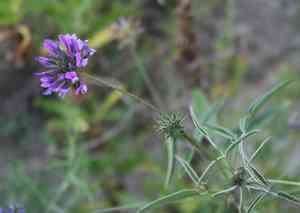
Originating from the Mediterranean region, arabian pea features compound leaves and violet blossoms. Trimming is recommended from springtime through autumn to encourage compact development and avert excessive stem elongation. Regular, gentle pruning each year preserves its form and vitality, whereas more substantial reductions revitalize mature specimens. After-bloom snips improve flowering and seed pod development. Key details: reduce to robust growth, refraining from severe cuts near the woody foundation. Advantages: maximizes light absorption, stimulates fresh sprouts, and boosts resistance to insects and arid conditions.
What Are the Benefits of Pruning Arabian Pea?
What Are the Benefits of Pruning Arabian Pea?
Trimming arabian pea promotes robust development and maintains its desired form. Deliberate cuts encourage fresh, healthy shoots, and aid in managing the plant's size for an attractive appearance.
What Is the Best Time for Pruning Arabian Pea?
What Is the Best Time for Pruning Arabian Pea?
Pruning in Spring coincides with the start of arabian pea's growth cycle, enabling plant shaping and removal of winter frost-damaged tissues, leading to healthier growth and better flower production. Additionally, it's vital to remove dead or diseased branches to preserve the plant's health and vitality. Autumn pruning also benefits arabian pea by preparing it for dormancy, eliminating excess growth that might not survive winter, thus allowing the plant to focus energy on its core structure through the cold season. Summer is avoided because pruning during active growth can unduly stress arabian pea, potentially hindering its development and flowering or fruiting capacity.
What Tools Do I Need to Prune Arabian Pea?
Hand Pruners
Perfect for cutting through slender stems and twigs of arabian pea, typically of a thickness easily managed by hand pruners. This tool enables precise cuts, essential for maintaining the plant's health and look.
Lopping Shears
Suitable for branches that are somewhat thicker and demand more leverage, which can occur with mature arabian pea plants. The extended handles offer the necessary leverage for clean cuts without straining the gardener's hands.
Pruning Saw
Required for any thick, woody stems of arabian pea too large for hand pruners or lopping shears. A pruning saw allows for clean cuts with minimal plant damage.
Gardening Gloves
Though not a cutting tool, gloves are crucial for safeguarding the gardener's hands from scratches or sap while trimming arabian pea.
Pruning Shears with Gear Technology
These offer extra power and reduce effort, potentially useful if arabian pea has particularly tough stems that standard hand pruners struggle with.
How to Prune Arabian Pea
Clean tools
Before trimming arabian pea, sanitize pruning tools with a bleach or alcohol solution to prevent disease spread.
Remove diseased leaves
Carefully take off any diseased leaves from arabian pea using clean, sharp scissors or pruners, ensuring healthy tissue remains undamaged.
Trim withered leaves
Cut off withered leaves close to the base to encourage healthy growth and improve air circulation around arabian pea.
Cut dead branches
Cut dead branches back to healthy wood, making the cut just above a bud or branching point, avoiding stubs.
Eliminate diseased branches
Identify and remove any diseased branches from arabian pea by pruning back to healthy wood well below the affected area.
Common Pruning Mistakes with Arabian Pea
Over pruning
Removing too much foliage at once can stress arabian pea, leading to poor growth or reducing its overall health. Aim to remove no more than one-third of the total plant mass in a single pruning session.
Improper cut location
Cutting too close to the main stem can harm the 'collar' (the branch base structure) of arabian pea. Instead, cuts should be made at a slight angle just above a bud or branch facing the desired growth direction.
Using blunt tools
Pruning with dull instruments can result in jagged cuts more prone to disease. Sharp, clean pruning shears make precise cuts that heal more effectively.
Tearing stems
Incorrect pruning technique, such as tearing or ripping branches, damages arabian pea's tissues. Use a smooth cutting action to avoid unnecessary harm to the plant.
Neglecting sanitation
Failing to clean tools before and after use can spread diseases between plants. Sanitize pruning equipment to keep arabian pea healthy.
Pruning healthy growth
Removing new, healthy growth by mistake can limit the plant's potential for flowering and new branch development. Focus on cutting back overgrown, dead, or diseased portions.
Common Pruning Tips for Arabian Pea
Selective pruning
Identify and selectively remove dead, diseased, or overgrown branches to maintain the shape and health of arabian pea without compromising the plant's structure.
Hydration before pruning
Ensure arabian pea is well-watered before pruning as a hydrated plant recovers better from the stress of pruning.
Incremental pruning
For larger maintenance tasks, consider spacing out the pruning over several seasons. This gradual approach allows arabian pea to adjust and regrow more robustly.
Prune for airflow
Thin out dense areas to improve light penetration and air circulation throughout arabian pea, which helps prevent disease and encourages even growth.
Protect cut areas
After pruning, consider applying a thin layer of pruning sealant to large cuts to protect arabian pea from pests and diseases.
Aftercare
Following pruning, provide arabian pea with appropriate aftercare, including watering, mulching, and feeding, to support recovery and vigorous growth.



