How to Propagate Arabian pea?
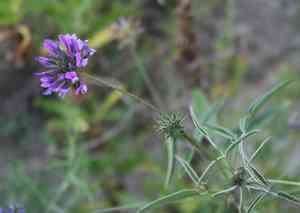
Arabian pea flourishes when reproduced via cuttings, a technique that guarantees faster rooting and maintains genetic uniformity. For the best outcomes, it is vital to choose robust, pathogen-free donor plants. Cuttings ought to be taken from strong shoots, preferably in the early morning when hydration levels are at their peak. Submerge the severed end in rooting compound to stimulate root formation prior to potting in a porous, nutrient-rich substrate. Steady humidity and warmth are necessary to foster root growth.
Optimal Time for Arabian Pea Propagation
Propagation Method
Cutting
Propagation Period
Spring,Summer
Tools for Arabian Pea Propagation
Sharp pruning shears
Sharp pruning shears are vital for making clean, precise cuts from arabian pea. A clean cut minimizes harm to the parent plant and boosts the likelihood of successful rooting in the cuttings. The accuracy of sharp blades aids in creating an angled cut, increasing the surface area for root development.
Rooting hormone powder or gel
Rooting hormone is crucial for encouraging root growth in arabian pea cuttings. Dipping the cut end into the hormone stimulates root formation and enhances the overall propagation success rate. This step is especially beneficial for arabian pea, potentially speeding up and improving rooting effectiveness.
Sterilized potting mix
A high-quality, well-draining, and sterile potting mix offers the perfect environment for arabian pea cuttings to root. A mix that supports good aeration and moisture retention without becoming waterlogged is essential for root health. Sterilization helps prevent diseases, which is critical during the delicate rooting phase.
Propagation trays or pots
Appropriate trays or pots are needed to hold the potting mix and cuttings. They should be clean and have adequate drainage to prevent water accumulation. The size should be suitable for the number and size of the cuttings, ensuring sufficient space for growth without overcrowding.
Plastic covers or mini greenhouses
Maintaining high humidity around arabian pea cuttings is essential for successful root development. Plastic covers or mini greenhouses help retain air moisture, simulating a humid, greenhouse-like environment crucial during the initial rooting stages.
How to Propagate Arabian Pea?
Propagation Type
Easy
Caring for Your Newly Propagated Arabian Pea
Caring for Your Newly Propagated Arabian Pea
Once arabian pea cuttings have rooted and show new growth, gradually introduce them to less humid conditions by removing any plastic covering. Keep the soil consistently moist and provide partial to full sun, depending on your local climate. As arabian pea grows, transplant it to larger pots or a permanent outdoor spot if suitable, ensuring well-draining soil to prevent root diseases. Regular pruning promotes bushier growth and prevents legginess.
Common Propagation Mistakes for Arabian Pea
Overwatering
Excessive watering of arabian pea during early propagation can cause root rot, hindering the plant's ability to absorb nutrients and establish a healthy root system. This reduces the survival rate of new arabian pea plants.
Deep planting
Planting arabian pea seeds or cuttings too deeply can impede their ability to sprout or root correctly. This can significantly delay or prevent germination and the establishment of new plants.
Ignoring soil composition
Using a soil mix that drains poorly or lacks sufficient nutrients can severely impact arabian pea's health. Poor soil conditions can lead to weak growth and increased susceptibility to diseases.
Tips For Propagating Arabian Pea
Use well-draining soil
For successful propagation, ensure arabian pea is planted in well-draining soil to prevent waterlogging. This fosters healthier roots and prevents diseases linked to excessive moisture.
Appropriate depth
Sow arabian pea seeds or plant cuttings at the correct depthâtypically just a few millimeters below the soil surface. This allows for optimal exposure to necessary warmth and light for sprouting.
Consistent moisture
Maintain a steady level of soil moisture when propagating arabian pea, avoiding waterlogging. This balances moisture needs while preventing the issues of overwatering.



