The Arabian pea Plant Advantage: Maximizing Home and Office Appeal and Wellness
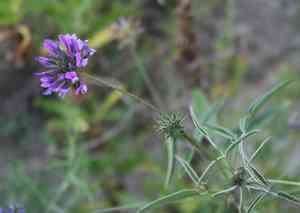
1
The Arabian pea plant tolerates dry conditions well, making it suitable for dry areas.
2
This plant is recognized for its significant protein levels, which are good for animal fodder.
3
Arabian pea improves soil quality through its nitrogen-fixing capabilities.
Why Arabian Pea is a Sustainable Option
Aridity Tolerance
Arabian pea thrives in arid, dry environments where most plants struggle. This characteristic makes it ideal for cultivation in areas with limited water. Its deep root system allows it to access moisture from deeper soil layers, ensuring survival during extended dry periods.
Soil Enrichment
More than just a survivor, Arabian pea enhances the soil's nutrient content. It's a nitrogen-fixing plant, forming a symbiotic relationship with specific bacteria to convert atmospheric nitrogen into a plant-usable form. This process naturally enriches the soil, reducing the need for synthetic fertilizers and promoting healthier crop yields.
How Arabian Pea Benefits Livestock
High Protein Content
A key feature of Arabian pea is its high protein level, making it a nutritious feed for livestock. Including Arabian pea in animal diets can boost growth rates, overall health, and productivity. Farmers seeking sustainable, high-quality feed ingredients can rely on this plant.
Digestive Advantages
Beyond its rich protein, Arabian pea offers additional health benefits for livestock. Its unique composition can aid digestion and improve animals' overall gut health. This can lead to better nutrient absorption and reduced veterinary costs for farmers.
Arabian Pea's Role in Boosting Crop Production
As a Green Manure
Arabian pea can be utilized as green manure, a method involving planting it and then tilling it back into the soil. This practice releases nutrients and organic matter, improving soil structure and fertility. Green manuring with Arabian pea can lead to increased crop yields and better-quality produce.
Intercropping Benefits
When integrated into intercropping systems, Arabian pea can help suppress weeds and control pests, lessening reliance on chemical interventions. Its presence in mixed cropping systems can foster a diverse and resilient agricultural ecosystem.
Can Arabian Pea Support Biodiversity?
Habitat Creation
Arabian pea contributes to biodiversity by providing habitat and food for various insects and small animals. Its flowers attract pollinators, like bees, vital for many ecosystems. By growing Arabian pea, farmers can support local wildlife and promote a more balanced environment.
Erosion Control
The plant’s extensive root system is crucial for preventing soil erosion. By stabilizing the soil, Arabian pea helps maintain land integrity, especially in areas prone to erosion from heavy rains or strong winds. This benefit is vital for long-term land management and conservation.
Commercial Uses of Arabian Pea
Agricultural Applications
From feed to green manure, Arabian pea has extensive agricultural uses. Its adaptability to various soil and climate conditions makes it a versatile crop for farmers focused on sustainable practices. Its role in soil improvement and livestock nutrition highlights its importance in modern agricultural systems.
Potential in Cosmetics and Biotechnology
Beyond agriculture, Arabian pea has potential applications in other sectors. Research is ongoing to explore its benefits in cosmetics and biotechnology. The plant contains compounds that could be valuable for developing new skincare products and bio-based materials, offering innovation opportunities.



