How to Transplant Nodding beggarticks?
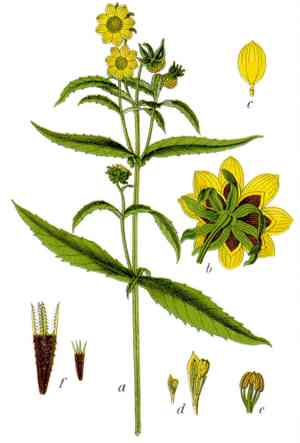
The ideal period for relocating nodding beggarticks is at the onset of spring, generally from early March through the developing warmth of April. Select a bright spot with damp earth. Be sure to settle nodding beggarticks into their new environments carefully to guarantee successful flowering.
Essential Preparations Before Relocating Nodding Beggarticks?
Optimal Period for Moving Nodding Beggarticks?
The perfect time to move nodding beggarticks is from early to mid-spring, as winter's chill recedes. During this period of rejuvenation, the ground is damp yet warming, fostering robust root development and giving nodding beggarticks a head start for the growing season. Selecting this opportune moment ensures nodding beggarticks can fully benefit from spring's vigorous growth, leading to a strong and vibrant display. This timing also helps avoid the potential stresses of summer's intense heat, setting nodding beggarticks up for success with minimal shock and smooth integration into its new environment.
Recommended Spacing Between Nodding Beggarticks Plants?
To provide your nodding beggarticks with the best start, position them approximately 6-12 inches (15-30 cm) apart. This spacing guarantees each plant sufficient room to thrive without competing for nutrients or sunlight.
Ideal Soil Blend for Nodding Beggarticks Relocation?
Prepare an optimal bed for your nodding beggarticks by selecting well-draining soil rich in organic material. Before transplanting, incorporate a balanced, slow-release fertilizer to encourage healthy development.
Where to Replant Your Nodding Beggarticks?
Choose a sunny spot for your nodding beggarticks, as they prefer full sunlight. A location receiving at least 6 hours of direct sun daily will help them flourish and produce their charming blooms.
Tools Required Before Moving Nodding Beggarticks?
Gardening Gloves
To safeguard your hands while handling soil and plants.
Trowel
For digging and manipulating soil in confined areas.
Shovel or Spade
For excavating larger holes and lifting plants with extensive root systems.
Watering Can or Hose
To hydrate the plant before and after the relocation process.
Pruning Shears
To trim any damaged roots or foliage if necessary.
How to Extract Nodding Beggarticks from the Ground?
How to Extract Nodding Beggarticks from the Ground?
From Pot: Begin by thoroughly watering the nodding beggarticks to ensure the soil is moist, which helps minimize root damage. Gently tilt the pot sideways and tap its edges on a firm surface to loosen the root ball. Carefully slide the nodding beggarticks out, supporting the plant with your hand. If the plant resists, use a trowel to gently pry it out without harshly disturbing the roots.From Seedling Tray: Ensure the nodding beggarticks seedling is well-hydrated. Use a spoon or a specialized seedling transplanter tool to carefully lift the seedling along with its surrounding soil and roots. Be sure to support the base of the stem and roots to reduce stress and damage.
Step-by-Step Guide for Relocating Nodding Beggarticks
Hole Preparation
Excavate a hole in the prepared ground using a shovel or spade. The hole should be twice the width of the nodding beggarticks's root ball and equally deep to comfortably accommodate the roots.
Root Examination
Inspect the roots of the nodding beggarticks for any indications of damage or disease. If any roots are compromised, use pruning shears to cleanly remove them.
Plant Placement
Position the nodding beggarticks in the center of the hole. Ensure the top of the root ball is level with the soil surface. Gradually backfill the hole with soil, firming it around the roots to eliminate air pockets.
Initial Watering
Thoroughly water the nodding beggarticks after planting to settle the soil around the root ball and remove any remaining air pockets.
Mulching
Once the nodding beggarticks is in place and watered, apply a layer of mulch around the plant's base to help retain moisture and regulate soil temperature.
Post-Transplant Care for Nodding Beggarticks?
Monitoring
Regularly check on the nodding beggarticks to confirm it is adjusting well to its new spot. Watch for signs of stress, such as wilting or discolored leaves.
Support System
If the nodding beggarticks appears weak or unable to stand upright, use a stake for support and gently secure it with garden ties or soft fabric strips.
Pruning
Trim any damaged or dead leaves or stems to direct the nodding beggarticks's energy towards new growth and recovery.
Weed Control
Keep the area surrounding the nodding beggarticks clear of weeds to minimize competition for nutrients and water.
Resolving Common Issues with Nodding Beggarticks Relocation.
When is the best time to move nodding beggarticks?
Relocate nodding beggarticks in early to mid-spring, when the soil is workable and the risk of frost has passed.
What spacing should I use for nodding beggarticks when moving them?
Allow nodding beggarticks ample room by spacing them 6-12 inches (15-30 cm) apart for optimal development.
What light conditions does nodding beggarticks require after relocation?
Nodding beggarticks thrives in full sun to partial shade, so select a location that receives abundant light.
How often should I water nodding beggarticks after moving it?
Maintain consistently moist soil without waterlogging by watering nodding beggarticks when the top inch (2.5 cm) feels dry.
Why is my relocated nodding beggarticks wilting?
Wilting after relocation can be due to shock. Ensure proper hydration, and initially avoid direct sun and strong winds.
What soil type does nodding beggarticks prefer?
Nodding beggarticks favors moist, well-draining soil. Amend with organic matter if needed to enhance soil quality.
Is fertilization necessary for nodding beggarticks after relocation?
Immediate fertilization is not required. Once established, a balanced fertilizer can support nodding beggarticks's growth.
Can nodding beggarticks be planted in a container after relocation?
Absolutely, just ensure the container offers sufficient space and drainage to accommodate nodding beggarticks's growth.
How deep should the hole be for moving nodding beggarticks?
Dig a hole twice as wide and the same depth as nodding beggarticks's root ball for optimal results.
Is it normal for nodding beggarticks leaves to yellow after relocation?
Some yellowing is normal due to transplant shock. Consistent care should help nodding beggarticks recover quickly.



