Enhancing Your Garden Design with the Nodding beggarticks Plant: A Landscaping Guide
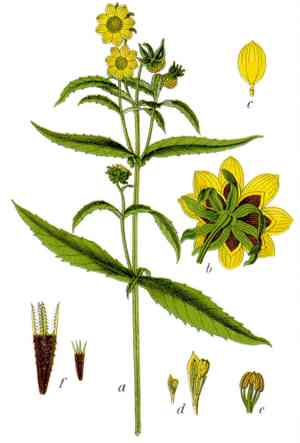
1
Nodding beggarticks adapts well to diverse soil compositions, favoring damp environments.
2
It's an excellent option for gardens requiring minimal upkeep.
3
Incorporating Nodding beggarticks can draw helpful insects, such as pollinators, into your garden.
Introducing Nodding Beggarticks in Landscape Design
Understanding the contribution of Nodding Beggarticks to enhancing outdoor areas.
In landscaping, Nodding Beggarticks can be instrumental in cultivating lush, vibrant outdoor environments. This distinct plant is recognized for its capacity to seamlessly integrate into diverse garden aesthetics, providing both structure and inherent beauty. Whether aiming for a formal layout or a more relaxed, natural appearance, Nodding Beggarticks offers adaptable visual qualities that can elevate your garden's allure.
Advantages of incorporating Nodding Beggarticks into your garden.
Integrating Nodding Beggarticks into your garden can provide numerous benefits. Firstly, its resilience makes it an excellent option for gardeners seeking low-effort choices. Secondly, Nodding Beggarticks's blossoms attract beneficial pollinators, which can support the overall health of your garden's ecosystem. Furthermore, its pleasing visual appeal can create stunning seasonal interest with its bright flowers.
Optimal Planting Locations for Nodding Beggarticks
Identifying prime spots for Nodding Beggarticks within your yard.
Selecting the appropriate location for Nodding Beggarticks in your garden is vital for its development and vitality. Ideally, choose areas that receive ample sunlight but also have access to some shade during the day's hottest period. Low-lying spots that naturally collect moisture are especially advantageous, as Nodding Beggarticks thrives in wetter environments.
Considerations when choosing a site for Nodding Beggarticks.
When selecting a location for Nodding Beggarticks, evaluate the soil type and drainage. While adaptable, it prefers moist, humus-rich soil. Avoid planting in excessively dry or sandy soils unless consistent watering can be ensured. Additionally, consider placing Nodding Beggarticks where its natural beauty can be appreciated without overshadowing other plants.
Design Concepts Featuring Nodding Beggarticks
Creating visual anchors with Nodding Beggarticks.
One of the most effective ways to utilize Nodding Beggarticks in your landscape design is by establishing focal points. Plant Nodding Beggarticks in strategic positions where its vibrant flowers and abundant foliage can capture attention and provide visual appeal. This could be near garden pathways, entrances, or even as a central feature in a flower bed.
Utilizing Nodding Beggarticks for natural boundaries or separations.
Nodding Beggarticks can serve as an excellent plant for forming natural borders or divisions within your garden. Plant it along the edges of garden beds or use it to delineate different garden sections. Its dense growth habit will create a natural barrier that is both practical and attractive.
Companion plants that thrive alongside Nodding Beggarticks.
To maximize the visual impact of Nodding Beggarticks, consider pairing it with complementary plants. Species that prefer similar growing conditions, such as other moisture-loving perennials, can create a harmonious look. Plants with contrasting foliage or bloom colors can enhance Nodding Beggarticks's features, adding depth and complexity to your garden design.
Nodding Beggarticks Care Guidelines
Fundamental upkeep and seasonal maintenance for Nodding Beggarticks.
Nodding Beggarticks is relatively low-maintenance, but understanding its care requirements is essential for optimal growth. Consistent watering is crucial, especially during dry spells, to meet the plant's moisture needs. Prune spent flowers to encourage new growth, and apply a layer of mulch to retain soil moisture and suppress weeds.
Managing growth and preventing excessive spread.
To prevent Nodding Beggarticks from spreading too much and dominating your garden, regular upkeep is necessary. Deadhead blooms to inhibit self-seeding, and divide plants every few years to control their size. This not only manages their expansion but also revitalizes the plants, promoting healthier development.
Common Issues and Their Resolutions
Addressing typical pests and diseases affecting Nodding Beggarticks.
While Nodding Beggarticks is generally robust, it can be susceptible to common garden pests and diseases. Aphids and spider mites are occasional visitors. Employ insecticidal soap or neem oil to manage infestations. Also, watch for fungal problems, particularly in overly wet conditions. Proper spacing and air circulation can help prevent fungal outbreaks.
How to manage excessive or insufficient sunlight exposure.
Achieving the correct light conditions for Nodding Beggarticks is vital. If your plant receives too much sun, you might observe scorching or wilting. Provide shade during peak sun hours or consider relocating your plant. Conversely, if it's too shaded, Nodding Beggarticks may exhibit stunted growth or reduced flowering. Adjust its placement to ensure it receives balanced light throughout the day.



