How to Propagate Nodding beggarticks?
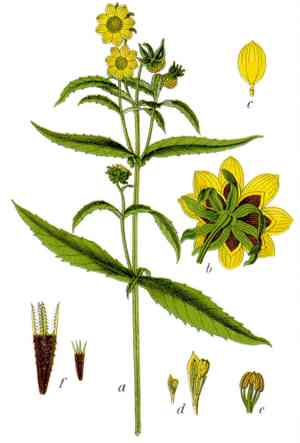
Bidens cernua flourishes when reproduced by seeding. Achieving success with Bidens cernua necessitates a meticulously prepared seedbed; friable, nutrient-rich, and adequately draining soil improves sprouting percentages. Distribute the seeds superficially as illumination assists the germination process. Prudent irrigation must be upheld to keep the substrate damp without inducing saturation, which could harm the seeds. To optimize developmental capacity, thinning of young plants may be required once they attain an appropriate stature, providing ample room and nutrients for each specimen to thrive.
What Is the Best Time To Propagate Nodding Beggarticks?
Propagation Type
Sowing
Propagation Season
Spring
What Tools Are Used in Nodding Beggarticks Propagation?
Seed Trays
Seed trays are vital for organizing and initiating nodding beggarticks seeds indoors or in a controlled setting. Their shallow compartments facilitate easy handling and efficient space utilization. These trays also aid in maintaining optimal moisture levels and safeguarding delicate seedlings during their initial growth, which is crucial for nodding beggarticks's successful germination.
Potting Mix
A premium, sterile potting mix delivers the essential nutrients and aeration for nodding beggarticks's seedlings. The mix should drain well yet retain sufficient moisture, as nodding beggarticks requires a balance of these conditions for effective root development and to prevent issues like damping-off.
Grow Lights
Grow lights are especially useful for nodding beggarticks if seedlings are being propagated indoors. These lights guarantee that young plants receive the correct light spectrum for photosynthesis, promoting vigorous growth when natural light is insufficient.
Watering Can with a Fine Rose
A watering can equipped with a fine rose attachment enables gentle irrigation of nodding beggarticks's seedlings, preventing soil displacement and ensuring uniform moisture distribution. Proper watering is crucial for seed germination and early plant health without over-saturating the soil.
Labels and Markers
Employing labels and markers to identify each seed tray is essential for accurate identification and monitoring of nodding beggarticks's growth progress. This practice minimizes errors and assists in maintaining precise records, which is important for learning and refining propagation techniques over time.
How to Propagate Nodding Beggarticks?
Propagation Type
Easy
How to Care for Your Newly Propagated Nodding Beggarticks?
How to Care for Your Newly Propagated Nodding Beggarticks?
After successfully propagating nodding beggarticks, ensure the soil remains consistently moist, especially in dry conditions. These plants thrive in full sun to partial shade, so select an appropriate garden location. To encourage more abundant blooms, you can apply a balanced liquid fertilizer every four weeks during the growing season. Regularly inspect for pests or diseases, and manage them as needed to maintain healthy plants.
Common Mistakes to Avoid When Propagating Nodding Beggarticks
Overwatering
Excessive watering can lead to root rot and fungal diseases in nodding beggarticks. Too much moisture around the roots can deprive them of necessary oxygen, resulting in poor growth and potentially fatal plant conditions.
Incorrect Soil Type
Using soil that is either too dense or lacking in nutrients can impede the root development of nodding beggarticks. This species requires a well-draining soil rich in organic matter to flourish.
Deep Planting
Planting the seeds or seedlings of nodding beggarticks too deeply can hinder proper germination and growth. Seeds need to be near the surface where they can access sufficient light and air.
Ignoring Spacing
Planting nodding beggarticks too close together can lead to competition for resources, poor air circulation, and increased susceptibility to pests and diseases, negatively impacting overall plant health and propagation success.
Tips For Propagating Nodding Beggarticks
Moderate Watering
Provide nodding beggarticks with consistent, moderate watering to keep the soil moist but not waterlogged. This balance is crucial for the development of strong and healthy roots.
Use Rich, Well-Draining Soil
Prepare a soil mix that is rich in organic matter and ensures proper drainage to support the robust growth of nodding beggarticks. The appropriate soil aids in efficient root expansion and nutrient uptake.
Shallow Planting
Sow the seeds of nodding beggarticks at a shallow depth, ideally just beneath the soil surface. This placement ensures they receive adequate light and air, essential for successful germination.
Adequate Spacing
Space the plants sufficiently to allow for ample growth, good air circulation, and sunlight penetration. Proper spacing helps minimize the risk of disease and promotes healthier propagation of nodding beggarticks.



