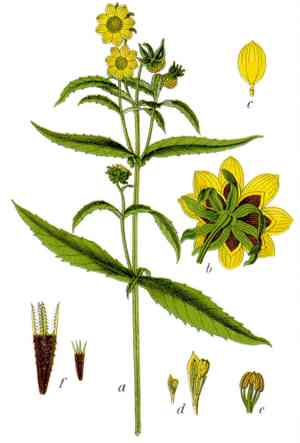
Nodding beggarticks (Bidens cernua)
Also known as: Nodding Burr-Marigold, Nodding bur-marigold
Nodding Beggarticks (Bidens cernua) is an annual plant that can reach heights of up to 4 meters under ideal conditions. It typically grows in wet areas, such as along streams and in swamps. The plant blooms in August, producing bright yellow flowers. Ducks are known to consume its seeds. As the plant ages, its flower heads begin to droop, which is how it gets its common name.
In This Article
Attributes of Nodding beggarticks
Lifespan
Annual
Plant Type
Herb
Plant Height
10 cm to 1.02 m
Spread
30 cm to 90 cm
Leaf Color
Green
Flower Size
2.5 cm to 5 cm
Flower Color
Yellow Brown
Images of Nodding beggarticks
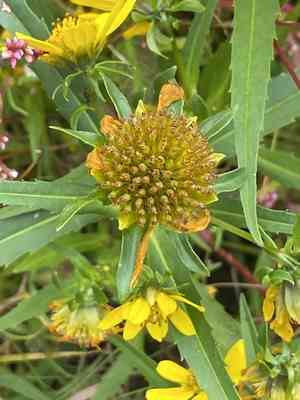
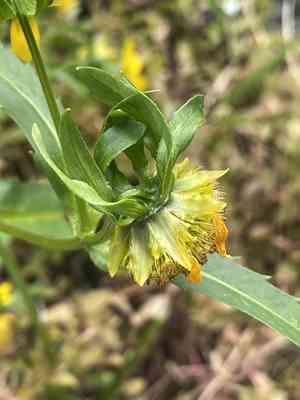
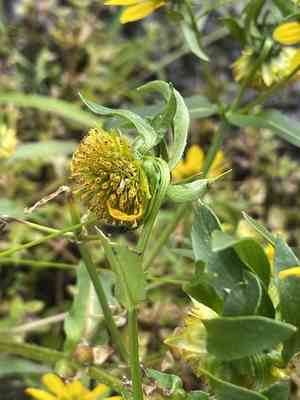
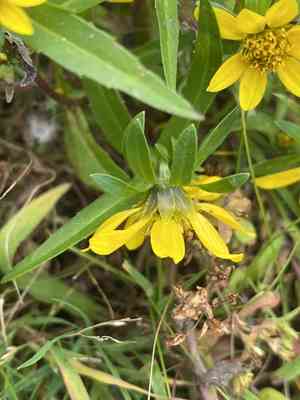
Quickly Identify Nodding beggarticks
1
Bidens cernua can be identified by its distinctive nodding yellow flowers with serrated petals and lance-shaped leaves. The stems are often branched and hairy.
Scientific Classification of Nodding beggarticks
Phylum
Vascular plants
Class
Dicotyledons
Order
Asterales
Family
Daisy
Genus
Beggarticks
Species
Nodding beggarticks
Planting and Growing of Nodding beggarticks
Care Difficulty
Easy
Watering Schedule
Every 4 days
Sunlight Requirements
Full sun
Sunshine Duration
6-10 hours
Ideal Temperature
60-75℉
Soil Type
Potting Mix, Peat Mix
Soil pH
5-7.5
Fertilizer Type
Balanced
Pruning Season
Spring, Summer
Pruning Area
Branches, Leaves
Pruning Frequency
2 times a year
Repotting Season
Spring
Pot Type
Plastic, Ceramic
 How to Water Nodding beggarticks?
Bidens cernua thrives in moist to wet soils; thus, each watering session should ensure the soil remains consistently damp but not waterlogged, with approximately 500 ml of water. The aim is to replicate natural wetland conditions, so water generously until you see minor drainage from the bottom of the pot, but avoid letting the plant sit in standing water.
What are the symptoms of an underwatered Nodding beggarticks?
›
What should I do if my Nodding beggarticks is not getting enough water?
›
What are the symptoms of an overwatered Nodding beggarticks?
›
How to save an overwatered Nodding beggarticks?
›
 What Are the Sunlight Requirements for Nodding beggarticks?
Bidens cernua ideally needs partial to full sun. Proper light ensures lush growth and abundant flowering, maximizing the plant's aesthetic and health potential by facilitating its natural processes.
More About Sunlight Requirements Techniques→
How much direct sunlight does Bidens cernua require?
›
What are effective strategies to provide ideal lighting?
›
What benefits does optimal lighting provide to Bidens cernua?
›
 What Is the Ideal Temperature Range for Nodding beggarticks?
The ideal temperature range for growing Bidens cernua is between 60°F and 75°F. This range ensures optimal growth and blooming as it mimics the natural environment of the plant. Proper temperature management is essential to provide the necessary conditions for photosynthesis and nutrient uptake, which are crucial for the plant’s development and flowering.
 What Soil is Best for Nodding beggarticks?
This plant thrives in soils that are able to retain moisture well, as it typically grows in wetland areas. Adequate water in the soil supports the plant's lush growth and vibrant flowering, mimicking its natural habitat along river banks and marshes. Bidens cernua requires nutrient-rich soil to flourish, as this ensures vigorous growth and boosts its health. A fertile substrate supports the plant's metabolic functions and enhances its overall resilience and blooming capacity. Though moisture is essential, good drainage in soil prevents root rot and other water-related diseases. The ideal soil maintains a balance, providing necessary hydration while ensuring excess water is efficiently drained away.
 How to Fertilize Nodding beggarticks?
For Bidens cernua, moderate fertilization is key. Use a balanced liquid fertilizer diluted to half strength. Apply approximately 10-15 ml per liter of water for young plants and 20-25 ml per liter for mature plants. Slow-release granular fertilizers should be used sparingly, approximately 20 grams per plant once every four months.
 How to Prune Nodding beggarticks?
Begin by sterilizing your pruning shears to prevent the spread of diseases. Start with the outer stems and work your way towards the center, making clean cuts just above a leaf node. Remove any spindly, dead, or diseased stems. Aim to shape the plant to retain its natural form. Pruning should be done gradually, taking off no more than a third of the plant to avoid stress.
More About Pruning Techniques→
 How to Propagate Nodding beggarticks plant?
1
Collect seeds from mature Bidens cernua plants when they turn brown. Clean the seeds to remove any debris and dry them thoroughly. Store in a cool, dry place until ready for sowing.
2
Select healthy, disease-free plants from which to take cuttings. Cut a section of the stem, about 4-6 inches long. Remove the lower leaves and make a clean cut at the base. Dip the cut end in rooting hormone powder before planting.
3
In the spring, divide Bidens cernua plants by carefully digging up the root ball. Separate the plant into smaller sections with both roots and stems. Replant these in suitable conditions, ensuring they are watered well.
 How to Repot Nodding beggarticks plant?
1
Bidens cernua usually shows signs of needing repotting when its roots start to emerge from the drainage holes of the pot or if growth becomes stunted. Another key indicator is the rapid drying of the soil after watering, which suggests that the plant's root system has outgrown its current container.
2
Select a pot that is about 2 inches larger in diameter than the current one. This allows the plant room to grow without overwhelming it with too much soil, which could retain excess moisture. Ensure the pot has drainage holes, promoting healthy root growth and preventing root rot.
3
Opt for a well-draining loamy soil mix suitable for moisture-loving plants. This ensures that the plant's roots receive ample nutrition and good aeration while minimizing the risk of waterlogging that can hinder root health and overall plant vitality.
Learn More About Nodding beggarticks Diseases
Anthracnose
Bacterial Leaf Spot
Bacterial Soft Rot
Bacterial Wilt
Damping-off
Downy Mildew
Drought Stress
Fusarium Wilt
Gray Mold
Leaf Curl
Leaf Spot
Mosaic
Nutrient Deficiency
Nutrient Toxicity
Powdery Mildew
Root Rot
Root-knot Nematode
Rusts
Sooty Mold
Spider Mites
Temperature Stress
Thrips Damage
White Mold
Chemical Injury



