How to Prune Nodding beggarticks?
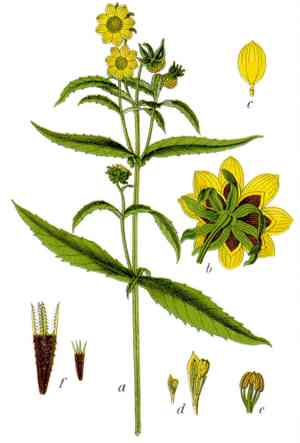
Distinguished by its yellow, sunflower-like blossoms that incline or 'droop', nodding beggarticks is a perennial that thrives in damp conditions. Regularly remove spent or withered blooms to stimulate additional flowering and sustain the plant's vitality. Trim back depleted foliage once blooming concludes, usually in autumn, to foster robust development for the subsequent season. Spring pruning can revitalize growth. Refrain from extensive pruning since nodding beggarticks inherently maintains its form. Pruning improves visual appeal and deters self-seeding if seed propagation is not wanted.
Advantages of Trimming Nodding Beggarticks
Advantages of Trimming Nodding Beggarticks
Trimming nodding beggarticks promotes robust development, enabling it to allocate resources effectively and maintain a desired form. Consistent cutting helps manage its size, fostering a fuller, more appealing look while keeping it healthy and manageable.
Optimal Time for Pruning Nodding Beggarticks
Optimal Time for Pruning Nodding Beggarticks
Pruning nodding beggarticks in spring coincides with the start of its active growth, allowing the plant to recover and generate new growth efficiently. Early summer pruning is beneficial for shaping and size control after the initial spring growth surge. Trimming then also prevents plant stress during the peak growing season. Late fall is another good time for pruning nodding beggarticks, as it prepares the plant for dormancy and reduces winter damage from dead or compromised stems. These ideal pruning periods avoid disrupting flowering and seeding, thus ensuring the health and vigor of nodding beggarticks.
Tools Required for Pruning Nodding Beggarticks
Hand Pruners
Perfect for removing spent blooms and slender stems, maintaining the size and form of nodding beggarticks.
Shears
Useful for shaping and managing the growth of nodding beggarticks when more extensive trimming is needed.
Gloves
Protective gear to prevent thorns or sharp plant parts from injuring hands during the pruning of nodding beggarticks.
Disinfectant
To sanitize tools between cuts to prevent disease transmission, especially if nodding beggarticks shows any signs of infection.
How to Prune Nodding Beggarticks
Clean Tools
Before beginning the pruning process, sterilize all cutting implements to prevent the spread of disease to nodding beggarticks.
Identify
Thoroughly inspect nodding beggarticks to locate all the withered leaves that require removal.
Cut Angle
Use sharp pruning shears to make clean, angled cuts when removing withered leaves to ensure rapid healing and minimize disease risk.
Dispose
Remove all cuttings from withered leaves of nodding beggarticks to prevent potential pest or disease issues. Discard them away from healthy plants.
Monitor
After pruning, regularly observe nodding beggarticks for signs of new growth and additional withered leaves that may need future removal.
Common Pruning Errors with Nodding Beggarticks
Over-Pruning
Cutting back nodding beggarticks too severely can stress the plant, leading to weakened growth or reduced flowering. It's important to prune carefully and not remove more than necessary.
Dirty Tools
Using uncleaned pruning shears can introduce diseases to nodding beggarticks. It's vital to sterilize all tools before and after pruning to maintain plant health.
Improper Cutting Technique
Incorrect cutting can harm nodding beggarticks. Angled cuts should be made just above leaf nodes to encourage proper growth without damaging the plant.
Pruning During Active Growth
Removing too much foliage during nodding beggarticks's active growth period can impede photosynthesis and vigor, leading to a decline in the plant's overall health.
Neglecting To Thin
Failing to thin out crowded stems in nodding beggarticks can result in insufficient air circulation and light penetration, which might encourage disease and pests.
General Pruning Advice for Nodding Beggarticks
Selective Pruning
Targeting only the necessary stems for removal helps maintain nodding beggarticks's natural shape and promotes healthier, more robust growth.
Sharp Tools
Always use sharp, clean tools when cutting back nodding beggarticks to make precise cuts that heal quickly, minimizing the risk of disease.
Gradual Pruning
Gradually prune overgrown nodding beggarticks plants instead of one drastic cut. This allows the plant to recover more effectively and maintains its structural integrity.
Prune For Airflow
Thinning out nodding beggarticks's center to improve airflow can help prevent fungal infections and encourages strong, healthy growth.
Deadheading
Regularly removing faded flowers from nodding beggarticks encourages reblooming and redirects the plant's energy towards producing new growth and flowers.



