The Nodding beggarticks Plant Advantage: Maximizing Home and Office Appeal and Wellness
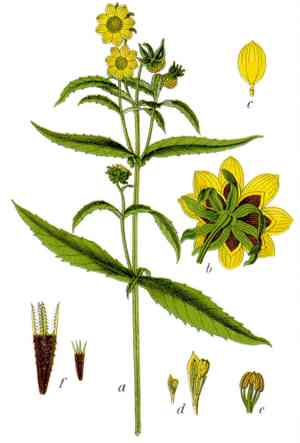
1
It serves as an effective natural biofilter, enhancing water purity.
2
Offers excellent sustenance for diverse animal life.
3
A rich supply of nectar for pollinating insects.
Environmental Advantages of Nodding Beggarticks
Water Purification
A notable characteristic of Nodding beggarticks is its ability to function as a natural biofilter. Primarily growing in wetland environments, this plant is crucial for cleansing water systems. Its root structure captures and absorbs pollutants, preventing these harmful substances from entering larger bodies of water. This purification process not only improves water quality but also supports the health of aquatic ecosystems and communities dependent on clean water.
Soil Stabilization
In addition to its water purification capabilities, Nodding beggarticks excels at stabilizing soil. Its robust root system helps bind the soil, reducing erosion and preserving the integrity of wetland ecosystems. This is especially vital in areas prone to flooding or with fluctuating water levels. By stabilizing the soil, Nodding beggarticks contributes to creating a habitat that supports diverse plant and animal life. This soil stabilization is essential for maintaining healthy wetland environments, which are critical for biodiversity.
How Nodding Beggarticks Benefits Wildlife
Forage for Animals
Many wildlife species benefit from Nodding beggarticks due to its nutritional content. The plant serves as high-quality forage, supplying essential nutrients to various herbivores. From small mammals to larger grazing animals, the foliage and seeds of Nodding beggarticks are a crucial food source, particularly in wetland areas where other resources might be scarce. This plant helps sustain wildlife populations, contributing to healthy, balanced ecosystems.
Support for Pollinators
Pollinators like bees and butterflies are vital for maintaining biodiversity and ensuring the productivity of many ecosystems. Nodding beggarticks produces an abundant supply of nectar, attracting these beneficial insects. By supporting pollinator populations, this plant plays a critical role in the reproduction of various plant species, including crops that humans rely on. The presence of Nodding beggarticks can therefore enhance local biodiversity and agricultural productivity.
Nutritional Advantages of Nodding Beggarticks
Rich in Nutrients
Beyond its ecological benefits, Nodding beggarticks is also a rich source of nutrients. Its seeds and foliage contain high levels of proteins, vitamins, and minerals, making them a valuable food source for both wildlife and, in some indigenous practices, humans. The nutritional composition of Nodding beggarticks makes it a versatile addition to various diets, promoting health and well-being.
Edible Uses
In certain cultures, parts of Nodding beggarticks are incorporated into traditional culinary dishes. The seeds, in particular, can be ground into flour or used as a cereal. While this must be done with care and knowledge, it highlights the plant's potential utility in food security. Introducing Nodding beggarticks into diets, where appropriate, could provide an additional nutrient source and diversify food options.
Can Nodding Beggarticks Be Used in Landscaping?
Aesthetic Value
Beyond its functional benefits, Nodding beggarticks offers significant aesthetic value for landscaping projects. The plant's bright, vibrant flowers can enhance the visual appeal of wetlands, gardens, and natural preserves. Its height and form add variety and texture to plantings, making it a popular choice for eco-friendly landscaping.
Wildlife Gardens
Incorporating Nodding beggarticks into wildlife gardens not only beautifies spaces but also supports local wildlife by providing food and habitat. Gardeners and landscapers strategically use this plant to attract birds, insects, and small mammals, contributing to biodiversity. Its role in creating sustainable gardens is noteworthy, as it combines visual appeal with environmental responsibility.



