How to Transplant Island barberry?
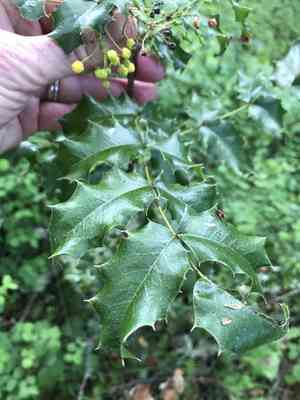
The optimal period for relocating island barberry is at the commencement of new development â specifically, from late winter through early spring. Select a location that receives full sun or partial shade and features soil with good drainage to foster vigorous growth. Helpful advice: Ensure the root ball remains undisturbed for a successful move!
What Preparations are Needed Before Transplanting Island Barberry?
What is the Ideal Time for Transplanting Island Barberry?
The best period for relocating island barberry is during the refreshing early to mid-spring. This timeframe allows island barberry ample opportunity to establish its root system prior to summer's heat. Ensuring root development in this milder weather enhances island barberry's resistance to dry, harsh conditions. When you transplant in the gentle warmth of spring, island barberry benefits from the steadily rising temperatures and extended daylight, which together promote robust growth and vigor. This opportune moment also provides a full season of enjoyment as island barberry thrives in its new spot.
How Much Space Should You Leave Between Island Barberry Plants?
When moving your island barberry, provide a generous spacing of approximately 4-6 feet (1.2-1.8 meters) between each specimen. This gives them ample room to flourish. Remember, a bit of extra room can make a significant difference.
What is the Best Soil Mix for Island Barberry Transplanting?
A well-drained and fertile soil will enhance island barberry's growth. Enrich the soil with organic matter or compost for added nutrients. Additionally, you might want to prepare a foundational fertilizer to help nourish the plant.
Where Should You Relocate Your Island Barberry?
Select a spot in your garden where island barberry receives partial to full sun. This means anywhere from 4-6 hours up to a full day of direct sunlight exposure. This amount of sunlight is perfect for their healthy development.
What Equipments Should You Prepare Before Transplantation Island Barberry?
Shovel or Spade
For excavating the new planting site and extracting the plant from its original spot. The tool's size should fit comfortably and be appropriate for the depth and width of the island barberry's root ball.
Gardening Gloves
To safeguard your hands during labor.
Compost or Organic Material
To blend with the backfill soil to encourage root development.
Bypass Pruners
To remove any damaged or diseased roots or branches.
Garden Hose or Watering Can
For hydrating the plant post-transplantation.
Mulch
Helps maintain soil moisture around the newly transplanted island barberry.
Tarp
To move the island barberry from its initial location to the new planting hole without disturbing the root system.
How Do You Remove Island Barberry from the Soil?
How Do You Remove Island Barberry from the Soil?
From Ground: Start by watering the island barberry plant. Allow it to absorb moisture for several hours, then work a spade or shovel around and beneath the island barberry's root ball, being careful to keep as many roots intact as possible. Once the plant is loose, gently lift it from the ground, and place it on the tarp for transport.From Pot: First, water the potted island barberry. Once the soil is moist, carefully turn the pot on its side. Tap the pot's rim as you gently slide the island barberry out. Support the plant from below, not by the stem, during this process.From Seedling Tray: Water the tray, then carefully lift the island barberry seedling by its leaves, never the stem. Loosen the soil at the bottom with a pencil or chopstick to dislodge the root ball. Lift the seedling and place it on the tarp for transport.
Step-by-Step Guide for Transplanting Island Barberry
Plant Health Check
Ensure your island barberry plant is free from pests, diseases, and broken branches before relocation.
Prepare New Hole
Dig a hole twice as wide and as deep as the island barberry's root ball. Incorporate compost or organic material to enhance soil structure.
Placement
Position the island barberry in the new hole at the same depth it was previously. The plant's soil line should be level with or slightly above the surrounding ground.
Backfill
Refill the hole with soil, gently compacting it around the island barberry. Ensure the plant is not buried too deeply or sitting too high above the ground surface.
Watering
Thoroughly water the island barberry after transplanting. The water will help the soil settle around the roots. It's crucial not to overwater, as island barberry dislikes soggy, oversaturated soil.
Mulching
Cover the soil around the island barberry with 2-3 inches of mulch. This will help retain soil moisture and reduce the need for frequent watering.
How Do You Care For Island Barberry After Transplanting?
Monitoring
Regularly check on the island barberry to observe its growth and adaptation to the new environment.
Watering
The island barberry should be kept adequately watered, but not waterlogged. Water whenever the topsoil appears dry. Reduce watering as the island barberry becomes established.
Pruning
Pruning may be performed to maintain a specific shape or size for the island barberry. Always use clean, sharp tools for pruning. Avoid extensive pruning during the first year after transplanting.
Troubleshooting Common Issues with Island Barberry Transplantation.
What is the best time of year to transplant island barberry?
The optimal period to move island barberry is between early and late spring (S1-S2). This allows the plant to settle in before the summer heat.
How much space does island barberry require after transplantation?
When relocating island barberry, ensure there's ample room between each plant. Ideally, they should be spaced approximately 4-6 feet (1.2 - 1.8 meters) apart.
What to do if island barberry wilts after being transplanted?
Do not worry! It's normal for island barberry to wilt post-transplant due to shock. Maintain proper hydration, and the plant should recover quickly.
How to ensure island barberry survives after transplantation?
Providing appropriate care in the initial stages is vital. Water your island barberry thoroughly after transplanting and maintain a consistent watering schedule based on the weather.
How deep should I dig the hole when transplanting island barberry?
The hole should be twice as wide and the same depth as island barberry's root ball. This provides sufficient space for the roots to spread and grow.
What kind of soil does island barberry prefer after transplantation?
Island barberry thrives in well-draining soil. Avoid areas with heavy clay or standing water, as this can lead to waterlogged roots and rot.
What if leaves on my transplanted island barberry turn yellow?
Yellow leaves might indicate overwatering or a lack of nutrients. First, check the soil condition, adjust the watering routine, or consider adding suitable plant nutrients.
How can I reduce the transplant stress for island barberry?
Begin by properly preparing the new site before transplanting, and try to minimize disturbance to the root system when moving the plant.
What should I do if island barberry doesn't show growth after transplantation?
Be patient, as island barberry may need time to recover from transplant shock. Ensure it receives adequate light, water, and nutrients. Consult an expert if no improvement after several weeks.
Can I transplant island barberry in the summer?
Transplanting island barberry in the summer is not advised. High temperatures can cause additional stress. The best time is during early to late spring (S1-S2) for a successful transplant.



