How to Propagate Island barberry?
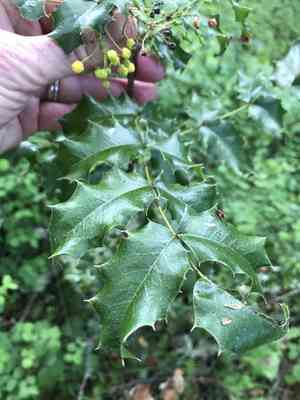
Island barberry flourishes when reproduced via cuttings, a technique that retains its genetic traits. Begin with robust semi-hardwood sections from a healthy mature plant during an active growth phase. Confirm the cuttings measure approximately 4-6 inches in length, possessing multiple leaf nodes. Submerge the severed end into rooting compound to encourage root formation and embed in a well-aerated, damp soil blend. Sustain moisture and diffused illumination to aid rooting, steering clear of direct sun exposure to avert drying out.
What Is the Best Time To Propagate Island Barberry?
Propagation Type
Cutting
Propagation Season
Spring,Summer
What Tools Are Used in Island Barberry Propagation?
Sharp Pruning Shears
These are vital for obtaining cuttings from island barberry. Keen blades ensure a clean, precise cut, minimizing harm to the parent plant and boosting rooting success. Clean cuts aid in quicker healing, lowering infection risk.
Rooting Hormone
This compound is applied to the cutting's base to encourage quicker, more dependable root growth. Rooting hormone boosts the success rate by fostering healthy root development, crucial for island barberry's post-transplant survival and growth.
Sterile Potting Mix
Employing a sterile potting mix prevents the introduction of harmful pathogens to the cuttings. A well-draining mix supports robust root growth by supplying adequate moisture and air, essential for island barberry's initial development.
Misting Bottle
A misting bottle is used to gently hydrate cuttings without disturbing the soil or rooting medium. Maintaining high humidity around island barberry cuttings helps prevent dehydration, thus enhancing root formation and growth.
Propagation Tray with Dome
This tool provides a controlled environment for cuttings. The dome helps maintain consistent humidity and temperature, critical factors supporting island barberry's rooting and early growth. Such conditions are vital to prevent stress that could hinder rooting.
How to Propagate Island Barberry?
Propagation Type
Moderately Difficult
How to Care for Your Newly Propagated Island Barberry?
How to Care for Your Newly Propagated Island Barberry?
Once roots are established, gradually introduce the island barberry to its permanent setting if it was under artificial conditions. Ensure ample sunlight and water, adjusting as needed for season and climate. Monitor for pests or diseases, treating as necessary to maintain health. Lightly fertilize during the growing season for vigorous growth.
Common Mistakes to Avoid When Propagating Island Barberry
Overwatering
Excessive watering can cause root rot for island barberry, as its roots require a balance of moisture and air. Too much water can suffocate roots, hindering nutrient absorption and increasing fungal disease risk.
Using poor draining soil
Employing soil that drains poorly can trap moisture around island barberry's roots, similar to the effects of overwatering. This can lead to fungal growth and root diseases, harming plant health and propagation success.
Taking cuttings from unhealthy plants
Propagating island barberry from unhealthy parent plants often results in weak offspring that may not root well or survive transplantation, as they inherit the parent's health issues.
Incorrect cutting size
Cutting sections that are too short or too long can impact island barberry's rooting ability. Improperly sized cuttings may lack sufficient energy reserves or node points to successfully produce roots.
Tips For Propagating Island Barberry
Using well-draining soil
Employing a well-draining soil mix helps prevent waterlogging and related root problems in island barberry, ensuring an ideal growing environment for strong root development.
Providing indirect light
Island barberry thrives and propagates best in indirect light. Direct sunlight can be too harsh, potentially scorching young plants and negatively affecting root development.
Selecting healthy parent plants
For successful propagation, always choose robust and disease-free parent plants. Healthy parent stock ensures stronger cuttings or seeds, which are more likely to propagate successfully.
Optimal cutting length
Taking cuttings approximately 4-6 inches long with several leaf nodes increases the chances of successful rooting in island barberry, providing ample space for root growth and energy reserves.



