How to Prune Island barberry?
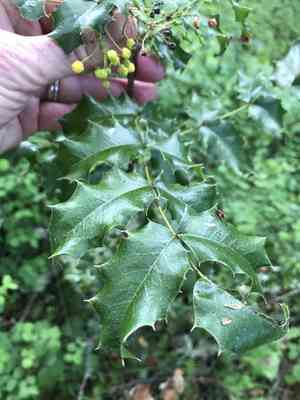
Distinguished by its thorny foliage and golden blossoms, island barberry flourishes with appropriate trimming. Perform pruning in early spring or winter while the plant is inactive to preserve its form and stimulate robust development. Begin by eliminating dead or ailing branches, then proceed with selective thinning to guarantee adequate light exposure and air circulation. Trimming island barberry can revitalize its leaves and potentially boost blooming, directing the plant's vigor toward its most robust stems. Consistent pruning additionally averts excessive density, which is crucial for this thickly growing shrub.
What Are the Benefits of Pruning Island Barberry?
What Are the Benefits of Pruning Island Barberry?
Trimming island barberry encourages flower production and strengthens its resistance to pests and illnesses. It's crucial for maintaining a thriving plant that flourishes annually. Pruning ensures regulated development, enhancing both vitality and form.
What Is the Best Time for Pruning Island Barberry?
What Is the Best Time for Pruning Island Barberry?
Trimming island barberry in late winter, just before spring growth begins, allows the plant to recover quickly as new shoots emerge. This timing ensures any winter cold damage is removed and doesn't affect the new season's growth. Additionally, since island barberry may enter dormancy in colder months, late winter pruning minimizes plant stress due to lower energy demands. Early spring pruning is also beneficial, as it shapes the plant and prepares it for vigorous growth stimulated by warmer weather. It helps maintain the plant's structure, encourages blooming on current season's new growth, and prevents disease by removing old or dead branches that can harbor pests or pathogens.
What Tools Do I Need to Prune Island Barberry?
Hand Pruners
Perfect for cutting branches up to 3/4 inch thick, hand pruners provide precise cuts on island barberry's smaller stems.
Loppers
Essential for severing thicker branches, up to 2 inches in diameter, that hand pruners cannot manage. Their long handles offer improved reach and leverage.
Pruning Saw
A suitable instrument for removing even thicker, mature branches, ensuring a clean cut without harming island barberry.
Gloves
Protective gloves are vital to shield against island barberry's thorny branches during trimming.
How to Prune Island Barberry
Clean tools
Sanitize pruning shears and other implements to prevent disease transmission when trimming island barberry.
Thinning
Begin by thinning out dead, diseased, or overly crossed branches to improve air circulation and light penetration within island barberry's canopy.
Trimming diseased parts
Carefully remove any diseased leaves and branches from island barberry, ensuring cuts are made back to healthy wood and disposing of the removed material properly.
Deadheading
Cut back spent flowers to just above a leaf set to maintain island barberry's appearance and stimulate new growth.
Control growth
Trim back overly vigorous branches on island barberry to maintain the desired size and form, always cutting at a 45-degree angle just above an outward-facing bud.
Common Pruning Mistakes with Island Barberry
Overpruning
Removing excessive foliage or too many branches at once can stress island barberry, leading to reduced vigor and potentially making the plant vulnerable to diseases.
Improper cut location
Cutting too close to the main stem or leaving too long a stub can result in uneven growth and susceptibility to pests.
Tearing bark
Incorrect cutting technique may rip the bark, harming island barberry and hindering its ability to heal properly.
Using dull tools
Blunt pruning tools can crush stems and branches, causing unnecessary damage and creating jagged wounds that heal slowly.
Neglecting sanitation
Failing to disinfect tools before and after pruning can spread diseases among plants.
Common Pruning Tips for Island Barberry
Selective thinning
Remove specific branches to enhance light penetration and air circulation within island barberry's foliage, which can decrease disease susceptibility while promoting healthy growth.
Proper cut angle
Pruning cuts should be made at an angle to prevent water from collecting on the cut surface, reducing the likelihood of rot developing.
Incremental pruning
For extensive trimming, it's best to prune gradually over several seasons to avoid shocking island barberry and to assess the plant's response between sessions.
Cut above bud
Make cuts above an outward-facing bud to encourage island barberry to grow in a desired direction and to create a more aesthetically pleasing shape.
Tool sharpening
Keep pruning tools sharp to make clean cuts that heal quickly, minimizing stress and the chance of disease infestation for island barberry.
Post pruning care
Water island barberry after pruning to help reduce stress and provide a mild fertilizer to support recovery if required by season-specific guidance.



