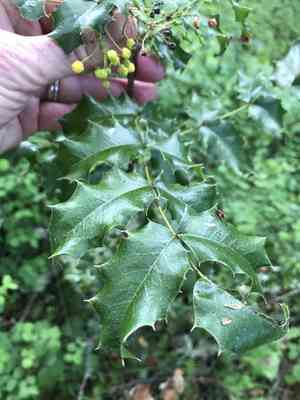
Island barberry (Berberis pinnata)
Also known as: California barberry
Oregon grape (Mahonia aquifolium) is a dark green shrub indigenous to the North American West Coast. It boasts holly-like, serrated leaves and vibrant golden-yellow flowers. The plant yields tart, grape-like berries that are edible and contain seeds. Additionally, it is known for its use in creating purple dye.
In This Article
Attributes of Island barberry
Lifespan
Perennial
Plant Type
Shrub
Plant Height
91 cm to 2 m
Spread
1 to 2 meters (3 to 6 feet)
Leaf Color
Dark green, glossy
Flower Size
Small, about 1 cm
Flower Color
Yellow
Images of Island barberry
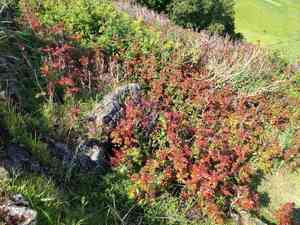
Quickly Identify Island barberry
1
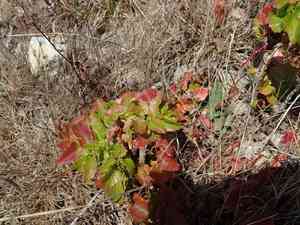
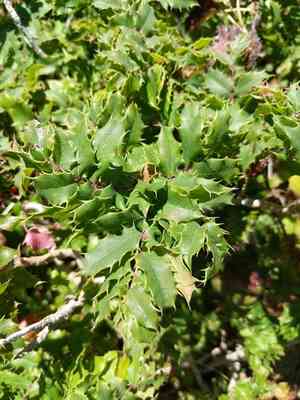
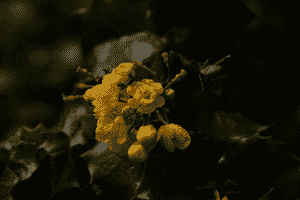
Identify Berberis pinnata by its glossy, dark green, compound leaves with serrated edges. Look for clusters of small, bright yellow flowers in spring, and blue-black berries in summer.
Scientific Classification of Island barberry
Phylum
Vascular plants
Class
Dicotyledons
Order
Ranunculales
Family
Barberry
Genus
salmon barberry
Species
Island barberry
Planting and Growing of Island barberry
Care Difficulty
Easy
Watering Schedule
Every 3 days
Sunlight Requirements
Partial sun
Sunshine Duration
6-8 hours
Ideal Temperature
50-75℉
Soil Type
Potting Mix, Peat Mix
Soil pH
6.5-7.5
Fertilizer Type
Balanced
Pruning Season
Spring, Summer
Pruning Area
Branches, Leaves
Pruning Frequency
2 times a year
Repotting Season
Spring
Pot Type
Plastic, Terracotta
 How to Water Island barberry?
For Berberis pinnata, watering is best done in moderation. Each time you water, aim for about 500ml per plant. Ensure the soil is moist but not waterlogged; the goal is to maintain a consistent level of moisture in the soil to support healthy root development.
What are the symptoms of an underwatered Island barberry?
›
What should I do if my Island barberry is not getting enough water?
›
What are the symptoms of an overwatered Island barberry?
›
How to save an overwatered Island barberry?
›
 What Are the Sunlight Requirements for Island barberry?
Partial to full sun ensures vibrant foliage and supports healthy development, allowing Berberis pinnata to flourish in its natural growth patterns.
More About Sunlight Requirements Techniques→
How much sunlight does Berberis pinnata need?
›
What are the solutions for achieving optimal light?
›
What benefits does ideal lighting provide?
›
 What Is the Ideal Temperature Range for Island barberry?
For optimal growth, Berberis pinnata prefers a temperature range between 50°F and 75°F. This range ensures that the plant's metabolic processes can function efficiently, promoting healthy foliage and strong root development. Maintaining a consistent temperature within this range can greatly enhance the plant's ability to produce vibrant leaves and resilient stems, supporting overall plant vitality.
 What Soil is Best for Island barberry?
Berberis pinnata thrives in well-drained soil that prevents waterlogging. This soil characteristic ensures that the roots are not suffocated by excessive moisture, thereby preventing root rot and encouraging healthy growth. This plant benefits from soil rich in organic matter. Such soil retains moisture and provides essential nutrients, supporting a lush and vibrant foliage that Berberis pinnata is known for. The plant prefers soil with moderate fertility. Excessive fertilization can lead to rapid, weak growth, whereas a moderate level ensures steady and robust development of both its roots and foliage.
 How to Fertilize Island barberry?
For Berberis pinnata, use a balanced liquid fertilizer diluted to half strength, applying about 1 to 2 tablespoons (15-30 ml) per gallon of water. This ensures the plant receives essential nutrients without overwhelming roots.
 How to Prune Island barberry?
Start by using sharp, sterilized pruning shears to cut dead, diseased, or damaged branches at their base. Focus on opening up the center of the plant to allow sunlight and air to circulate. Trim back overgrown sections, shaping the plant into a neat form by cutting just above a healthy bud. This helps to promote new growth from that point. To shape your Berberis pinnata, remove any crossing or inward-growing branches. This helps the shrub maintain a tidy, rounded appearance. Always aim to cut at a 45-degree angle to the branch, which aids in healing and reduces the risk of disease. Remember to stand back occasionally to check the overall shape of the plant during pruning.
More About Pruning Techniques→
 How to Propagate Island barberry plant?
1
To propagate Berberis pinnata by seeds, collect mature seeds from the plant after the flowering season. Ensure seeds are fully ripe for a higher germination rate.
2
For cutting propagation, select healthy stems from the parent plant. Cut sections that are 10-15 cm long, ensuring each has several nodes, as these are critical for root development.
3
Plant seeds or cuttings into a well-draining soil mixture. Ensure the soil is moist but not waterlogged. Regular watering is necessary to maintain a consistent moisture level.
 How to Repot Island barberry plant?
1
Signs it's time to repot Berberis pinnata include roots protruding from drainage holes, soil drying out too rapidly, or the plant appearing stunted. Ideally, repot during spring or autumn when the plant is naturally growing, minimizing stress and supporting recovery and adaptation in its new container.
2
Select a pot that is one size larger than the current one to allow adequate room for root growth. Ensure the pot has sufficient drainage holes to prevent water logging, which can lead to root rot. A slightly heavier pot can provide stability as Berberis pinnata can become top-heavy as it grows.
3
Opt for a well-draining loamy soil that retains moisture yet allows excess water to escape, mimicking the plant's native conditions. This helps avoid root rot and provides nutrients for healthy growth, leading to better overall plant health and more robust foliage.
Toxicity
Ingestion
WARNING
The judgment on toxicity and danger is for reference only. We DO NOT GUARANTEE any accuracy of such judgment. Therefore, you SHALL NOT rely on such judgment. It is IMPORTANT TO SEEK PROFESSIONAL ADVICE in advance when necessary.



