The Island barberry Plant Advantage: Maximizing Home and Office Appeal and Wellness
1
Island barberry is recognized for its strong antioxidant characteristics.
2
Its robust qualities make this plant an excellent choice for landscape designs.
3
Island barberry adapts well to different soil conditions, offering flexibility and requiring minimal upkeep.
What Makes Island barberry Special?
Unique Characteristics
Island barberry is prized for its hardiness and adaptability. This plant flourishes in diverse soil types, including rocky and sandy grounds, which often challenge other species. Furthermore, it displays vigorous growth, making it perfect for landscaping projects aiming for lush, green spaces with minimal upkeep.
Aesthetic Appeal
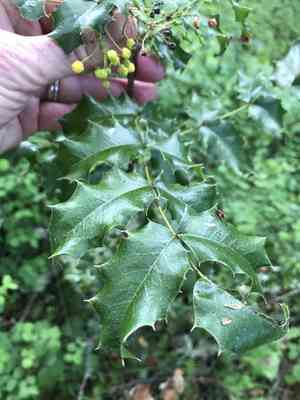
The visual charm of Island barberry is undeniable. Its vivid leaves and distinct texture bring elegance and natural beauty to gardens and public areas. Whether used as a focal point or integrated into a larger planting scheme, Island barberry consistently elevates the surroundings' aesthetic value.
How Does Island barberry Benefit the Environment?
Erosion Control
A key ecological advantage of Island barberry is its role in preventing soil erosion. Its deep root system helps stabilize the ground, lessening the impact of heavy rains and averting landslides. This is especially useful in hilly or sloped regions where erosion can be a major concern.
Habitat for Wildlife
Island barberry provides crucial habitat for various wildlife. Birds, insects, and small mammals find refuge and sustenance within its dense foliage. Consequently, introducing Island barberry to an ecosystem can boost biodiversity, fostering a healthier, more balanced natural environment.
How Can Island barberry Be Used in Landscaping?
Forming Hedges and Barriers
Due to its dense growth and strong branches, Island barberry is frequently used to create natural hedges and barriers. This application is ideal for establishing privacy screens or protective boundaries around properties. Its robust nature ensures these hedges remain sturdy and attractive year-round.
Complementing Other Plants
Island barberry also pairs beautifully with other plants. Its distinctive look complements a variety of flora, from bright flowers to other tough shrubs. This versatility makes it a favorite among landscape designers who seek to achieve diverse yet harmonious plant arrangements.
What Are the Cultivation Requirements for Island barberry?
Ideal Growing Conditions
Island barberry thrives best in well-drained soil and areas with ample sunlight. However, it can also endure partial shade, making it adaptable to various climate conditions. Regular watering aids in establishing young plants, but once mature, Island barberry needs minimal care, making it an excellent choice for both new and experienced gardeners.
Propagation Tips
Propagating Island barberry is quite simple. It can be grown from seeds or cuttings, with seeds typically sown in autumn for optimal results. For cuttings, it's best to take them in late summer, placing them in a suitable growing medium until roots develop. This methodical approach ensures a healthy, flourishing plant ready for its permanent spot.



