How to Transplant Mule fat?
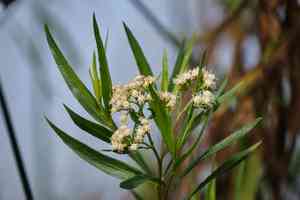
The most favorable period for relocating mule fat is from late spring to early summer's warmth, which guarantees strong root development. Position it in a sunny, adequately draining spot, and if the plant shows signs of stress, provide moderate watering after the move to aid its recuperation.
Preparations Required Before Relocating Mule Fat?
Optimal Period for Transplanting Mule Fat?
The ideal period for moving mule fat is the comfortably warm stretch from late spring to early summer. Moderate temperatures and extended daylight hours during this season promote strong root development before the intense summer heat, ensuring a smoother transition to a new spot. Establishing mule fat during this prime time also allows it to maximize growth and strengthen its resilience for the colder months ahead. Following this transplanting schedule aligns with natural cycles, fostering a robust start for mule fat.
Recommended Spacing Between Mule Fat Plants?
Ensure ample room when transplanting mule fat. Allow for a distance of approximately 2-3 feet (60-90 cm) between each plant. This spacing will enable individual plants to develop and flourish without competing for resources.
Ideal Soil Mixture for Mule Fat Transplantation?
For transplanting mule fat, the soil should ideally be well-draining and slightly acidic. Begin by preparing the soil with a foundational layer of organic material or compost to nourish the plants. This aids in moisture retention and nutrient provision.
Where to Replant Your Mule Fat?
Mule fat thrives in sunlight, so select a garden spot where it will receive full sun daily. However, it can also endure partial shade. Be cautious to avoid extremely hot locations to protect the plant from potential damage.
Equipment to Prepare Before Transplanting Mule Fat?
Gardening Gloves
To shield your hands from soil and plant contact.
Shovel or Spade
These tools are used to excavate the ground where mule fat will be replanted.
Watering Can
Essential for hydrating mule fat both before and after transplantation.
Pruning Shears
Utilized to trim any unnecessary parts of the mule fat plant.
Wheelbarrow
Helpful for transporting the mule fat with its soil from its original spot to the new location.
Tarp or blanket
Can be employed to move the plant without harming its root system.
How to Extract Mule Fat from the Soil?
How to Extract Mule Fat from the Soil?
From Ground: Begin by thoroughly watering the mule fat plant to moisten the soil. Next, draw a wide circle around the plant with your spade, ensuring you avoid the root ball. Gently work your spade or shovel beneath the root ball, then lift the plant.From a Pot: Water the plant thoroughly. Turn it on its side, hold it carefully by the stems or leaves, and tap the bottom of its pot until the plant slides out. Remember not to pull it out.From a Seedling Tray: Pour water into the tray until it is half full. Then, hold the mule fat at the base of its stem, and gently pull upwards. If the plant does not easily slip out, invert the tray and lightly tap it on a surface.
Step-by-Step Guide for Transplanting Mule Fat
Preparation
Ensure the prepared ground is slightly larger than the mule fat's root system. The hole should be deep enough to fully cover the roots, with some additional space.
Insertion
Gently place mule fat into the hole. The top of the root ball should be at ground level or slightly above.
Backfill
Fill in around the mule fat plant with soil. Try to remove large clumps and stones and ensure all roots are covered by soil.
Watering
Thoroughly water mule fat once it is in its new location. This helps the soil settle around the roots.
Check up
Verify that mule fat is upright and adjust as necessary.
Post-Transplant Care for Mule Fat
Water Regulation
Ensure the mule fat plant receives regular watering for the initial two weeks after transplanting, but prevent it from becoming waterlogged.
Pruning
Trim any dead or wilting leaves to encourage new growth.
Protection
Shield the mule fat from harsh weather conditions until it is well-established.
Troubleshooting Common Issues with Mule Fat Transplantation.
What's the optimal time to transplant mule fat?
The best season to transplant mule fat is between the second and fourth season (S2-S4). This will ensure a successful relocation.
What is the correct spacing between mule fat during transplantation?
Mule fat plants should ideally be spaced out at a distance of 2-3 feet (60-90 cm). This gives each plant ample room to grow without competition.
How do I prepare the transplant hole for mule fat?
Dig a hole double the size of the root ball. A comfortably sized hole encourages the roots to establish well. Ensure it's neither too shallow nor too deep.
Does mule fat require any special soil for successful transplantation?
Mule fat is quite versatile. It does not require any special soil type, however, a well-drained fertile soil can boost its growth.
How much water does mule fat need directly after transplantation?
After transplanting, water mule fat thoroughly but avoid waterlogging the soil. Keep the soil consistently moist, but not overly saturated.
Does mule fat need fertiliser during the transplantation process?
Mule fat is a low-maintenance plant, it doesnât require a lot of fertilisers. However, a balanced slow-release fertiliser during transplantation can enhance growth.
What are the common signs that the transplant process for mule fat was unsuccessful?
If mule fat shows yellowing leaves, wilting or stunted growth, these may be signs that the transplantation was unsuccessful.
How deep should the roots of mule fat be planted?
Plant mule fat roots so they are even with or a bit below the soil surface. The base of the plant should not be buried too deeply.
What care does mule fat require post-transplant?
Keep the soil around mule fat uniformly moist and add a layer of mulch to conserve moisture. Protect the plant from severe weather conditions initially.
Does mule fat require sunlight or shade post-transplant?
Mule fat will do well in full sun to partially shaded conditions. It's adaptable, but be sure it gets at least a few hours of sun daily.



