How Much Sunlight Do Mule fat Need?
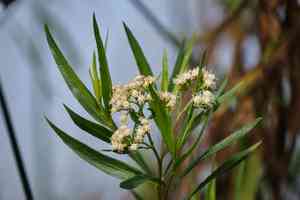
1
Mule fat flourishes in abundant sunshine, requiring over six hours of direct light each day.
2
It can endure some shade, allowing Mule fat to suit diverse garden locations.
3
Observe your Mule fat for indications of excessive sun exposure to maintain its peak condition.
Ideal Light Conditions for Mule fat
Full Sun Requirements
For Mule fat to thrive, it needs ample direct sunlight. This means it requires over six hours of unfiltered sun exposure daily. Positioning your Mule fat in an unshaded garden spot will encourage vigorous growth and abundant flowering.
Partial Sun Tolerance
Although Mule fat prefers full sun, it can endure partial sunlight, especially in regions with intense solar radiation. A location offering filtered light or a few hours of shade can still support healthy development. Just ensure it gets at least 4-6 hours of direct sun daily.
Recognizing Sunlight Stress in Mule fat
Symptoms of Excessive Sunlight
Too much sun can cause stress in Mule fat. Common signs include leaf burn, where leaf edges turn brown and brittle. You might also observe wilting during peak sun hours, even with sufficient soil moisture. It's crucial to monitor these indicators and provide some midday shade if needed.
Impacts of Insufficient Sunlight
Conversely, inadequate sunlight can also stress Mule fat. Symptoms include elongated growth, as the plant stretches for more light, resulting in weak and sparse foliage. A lack of blooms or smaller flowers can also signal insufficient light exposure.
Adjusting Mule fat to Varying Light
Gradual Full Sun Exposure
If relocating your Mule fat from a shaded to a sunnier area, do so progressively to prevent shock. Begin by exposing the plant to a couple of additional hours of sunlight each day. Over about a week, increase exposure until it receives full sun. This slow process helps the plant adapt without sunburn.
Utilizing Shade for Protection
In very hot climates, even sun-loving plants like Mule fat might need some defense. Employing a shade cloth during peak sun hours can help diffuse intense rays and shield your plant from potential stress. Ensure the shade cloth allows partial sunlight for photosynthesis.
Seasonal Light Considerations for Mule fat
Summer Light Patterns
During summer, sunlight intensity and duration are at their highest, which generally benefits Mule fat. However, extreme heat combined with strong sun might require some midday shading to prevent leaf scorching. Water your plant adequately to counter the sun's drying effects.
Winter Light Patterns
In winter, daylight hours shorten, and sun intensity decreases. Mule fat can adapt, but ensure it's in the brightest possible location to maximize limited sunlight. South-facing windows or garden spots are ideal for ensuring adequate light during this season.
Optimal Planting Locations for Mule fat
Ideal Garden Spots
The best places for planting Mule fat in your garden are where it can receive uninterrupted sunlight for most of the day. Consider central garden areas or spots not shaded by structures or larger trees. Raised garden beds can also be beneficial due to less shading.
Container Growing Advice
If growing Mule fat in containers, select one large enough for its roots and with proper drainage. Position the container in a sunny spot, using a high-quality potting mix. Containers offer flexibility to move the plant based on seasonal light changes, ensuring optimal growing conditions year-round.



