The Mule fat Plant Advantage: Maximizing Home and Office Appeal and Wellness
1
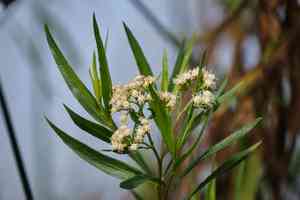
Baccharis salicifolia is a adaptable plant beneficial for preventing soil erosion and restoring natural environments.
2
It flourishes in various soil conditions, making it suitable for different terrains.
3
Mule fat offers sustenance and refuge, thereby supporting indigenous fauna.
Why is Mule fat an Excellent Choice for Erosion Control?
Root System and Soil Stabilization
The extensive root network of Mule fat is highly effective at securing soil. This plant's capacity to form a dense web of roots helps prevent soil degradation, making it an ideal selection for areas prone to soil loss. Its roots bind the earth, reducing runoff and preserving the topsoil.
Thrives in Challenging Conditions
Mule fat can flourish in various difficult environments, from arid, sandy soils to wetter conditions. Its resilience and adaptability make it a dependable option for preventing erosion in diverse settings, from coastal dunes to riverbanks.
How Does Mule fat Benefit Local Wildlife?
Habitat Provision
Mule fat offers refuge and nesting locations for numerous birds, insects, and other wildlife. Its bushy, thick growth creates optimal habitats, fostering biodiversity by supporting various animal species. This plant's presence can significantly enhance the ecological well-being of an area.
Food Source
Flowers, seeds, and foliage of Mule fat serve as a crucial food source for many organisms. Pollinators, such as bees and butterflies, are particularly drawn to its blossoms, while birds and small mammals feed on its seeds and leaves. By incorporating Mule fat into habitats, you can support the sustenance and proliferation of local wildlife.
What are the Landscaping Advantages of Using Mule fat?
Low Maintenance Requirements
Mule fat is valued for its minimal upkeep needs. Once established, this plant requires little watering and care, making it an excellent choice for sustainable, low-input landscaping. Its resistance to pests and diseases further reduces the need for chemical treatments.
Aesthetic Appeal
Mule fat offers visual interest throughout the year with its lush, green foliage and seasonal flowers. Its attractive appearance can enhance the beauty of various landscaping projects, from naturalistic gardens to urban green spaces. Its ability to blend well with other native plants makes it a versatile addition to any garden design.
How Can Mule fat be Utilized in Habitat Restoration Projects?
Revegetation of Disturbed Areas
Mule fat is frequently employed in habitat restoration to re-establish vegetation in disrupted areas. Its hardiness and rapid growth allow it to quickly establish and cover bare soils, restoring plant cover and ecological function. This makes it an excellent pioneer species for revitalizing degraded landscapes.
Combating Invasive Species
Mule fat's vigorous growth can help outcompete invasive plant species, thereby assisting in the restoration of native plant communities. By planting Mule fat, restoration projects can gain a competitive advantage in the fight against invasive species, promoting the recovery of indigenous flora.
Why is Mule fat Important for Sustainable Agriculture?
Living Fences and Windbreaks
Mule fat functions well as living fences and windbreaks in sustainable agricultural practices. Its dense growth acts as a natural barrier against wind, reducing soil erosion and protecting crops from wind damage. Additionally, living fences of Mule fat can define property boundaries while providing ecological benefits.
Pest Control and Soil Health
The presence of Mule fat in agricultural landscapes can foster natural pest control by attracting beneficial insects. Moreover, its root systems improve soil structure and fertility, contributing to overall soil health. These factors make Mule fat a valuable plant for increasing the sustainability and productivity of agricultural systems.



