How to Prune Mule fat?
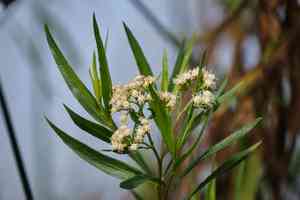
Commonly located near aquatic environments, mule fat is a rapidly developing shrub featuring foliage resembling willow. Trim mule fat during late winter or early spring to preserve its form and stimulate denser development. Eliminate any deceased or compromised branches and thin out mature stalks to foster better air movement. Reducing its size can also manage its height and width when necessary. Consistent trimming boosts mule fat's vigor and can avert excessive growth in more confined garden areas.
Advantages of Trimming Mule Fat
Advantages of Trimming Mule Fat
Trimming mule fat promotes robust development and helps maintain its desired form. Strategic cuts can revitalize mule fat, fostering healthy new stems and foliage, while allowing gardeners to manage the plant's size and shape, ensuring neatness and visual appeal.
Optimal Time for Pruning Mule Fat
Optimal Time for Pruning Mule Fat
Late winter and early spring are ideal for pruning mule fat as these seasons precede its main growth period. Pruning in late winter stimulates new growth as the plant emerges from dormancy, and it's simpler to identify branches for removal due to less dense foliage. Early spring pruning aligns with mule fat's natural growth cycle, enabling gardeners to shape the plant and encourage a strong, healthy structure for the coming year. Removing damaged or diseased branches at this time is vital for the plant's health and prevents the spread of pests and diseases as it enters its active growth phase. Furthermore, this timing avoids disrupting the late spring and summer blooming period, ensuring the plant can flower and subsequently set seeds without interference.
Required Tools for Pruning Mule Fat
Hand Pruners
Perfect for making precise cuts on mule fat's smaller branches and stems, up to approximately 1/2 inch in diameter, which helps prevent damage and disease.
Loppers
Suitable for cutting through thicker mule fat branches up to 1 1/2 inches in diameter, offering greater reach and leverage than hand pruners.
Pruning Saw
Essential for mule fat when dealing with mature branches exceeding 1 1/2 inches in thickness, where hand pruners and loppers are inadequate.
Pole Pruner
Useful for reaching higher mule fat branches without needing a ladder, enhancing safety and convenience during the pruning process.
How to Prune Mule Fat
Clean tools
Sanitize pruning tools with a solution of 1 part bleach to 9 parts water to prevent the spread of disease.
Remove leaves
Cut off diseased and withered mule fat leaves at the base of the leaf stem, taking care not to harm healthy tissue.
Trim branches
Prune dead and diseased mule fat branches back to healthy wood, cutting at a 45-degree angle just above a leaf node or branch junction.
Shape plant
Thin out overcrowded areas by removing selected branches to improve air circulation and light penetration for mule fat.
Dispose
Properly discard all removed material to prevent the spread of disease and promote healthy growth for mule fat.
Common Pruning Errors with Mule Fat
Over-pruning
A frequent error is removing too much foliage, which can stress mule fat and hinder its ability to photosynthesize effectively.
Improper cutting technique
Clean and angled cuts are crucial; jagged or blunt cuts increase the risk of disease and can harm mule fat's overall health.
Removing too much old wood
Mule fat can tolerate heavy pruning, but cutting away too much old growth can limit its flowering as it blooms on old wood.
Pruning during peak growth
Though timing is not to be discussed, it's a mistake to prune when mule fat is in an active growth phase, as it diverts resources needed for development.
Neglecting tool maintenance
Dull or dirty tools can introduce pests and diseases during pruning. This oversight can be particularly harmful to mule fat.
Ignoring plant shape
Random or uninformed cuts can lead to an undesirable shape and uneven growth in mule fat.
General Pruning Advice for Mule Fat
Assess before cutting
Examine the overall health and structure of mule fat before making any cuts, to ensure only necessary pruning is done.
Sterilize tools
Always use sterilized pruning tools to prevent spreading disease to or from mule fat.
Make clean cuts
Clean, sharp cuts heal faster and are less likely to invite pests or disease, benefiting mule fat's growth.
Prune for airflow
Trim mule fat to maintain good airflow through the branches, which helps prevent fungal infections and other diseases.
Preserve natural shape
Prune mule fat to maintain its natural growth habit, removing only what is necessary for health and desired size, to retain its aesthetic.
Encourage new growth
Selective pruning of older stems can encourage mule fat to produce fresh, vigorous growth and ensure ongoing vitality.



