How to Propagate Mule fat?
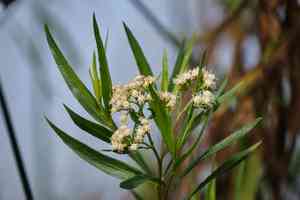
Baccharis salicifolia flourishes when reproduced via cuttings. For successful cultivation of Baccharis salicifolia, collect stem sections from vigorous, established specimens. Verify that each section possesses multiple nodes, which are crucial for root formation. Insert the cuttings into a potting blend that drains efficiently, keeping it damp but not saturated. Sufficient illumination and moderate warmth will boost the likelihood of successful rooting, assisting new plant enthusiasts in attaining strong development.
What Is the Best Time To Propagate Mule Fat?
Propagation Type
Cutting
Propagation Season
Fall,Winter
What Tools Are Used in Mule Fat Propagation?
Pruning Shears
Pruning shears are vital for taking clean, precise cuttings from mule fat. Sharp shears minimize damage at the cut site, which is essential for encouraging healthy root development in the cutting. A clean cut helps reduce disease entry and stress to the parent plant.
Rooting Hormone
Rooting hormone is applied to the base of cuttings to boost root development. It contains synthetic auxins that stimulate root growth, increasing the success rate of propagation for mule fat. This tool is especially beneficial as it can help establish strong root systems more quickly compared to cuttings propagated without such aids.
Potting Mix
A well-draining potting mix suitable for cuttings provides the necessary medium for root growth. A mix containing perlite, vermiculite, and peat moss offers a balance of moisture retention and aeration, facilitating optimal root development and minimizing the risk of root rot for mule fat.
Propagation Trays
Propagation trays are used to organize and nurture multiple cuttings of mule fat in a controlled environment. They support the cuttings in an upright position and allow for even distribution and management of water and nutrients, enhancing the overall success rate of propagation.
Plastic Covers
Plastic covers create a humid microenvironment around the cuttings of mule fat, which is essential in preventing moisture loss from the cuttings before roots have developed. This increases the likelihood of survival and successful root formation.
How to Propagate Mule Fat?
Propagation Type
Moderately Difficult
How to Care for Your Newly Propagated Mule Fat?
How to Care for Your Newly Propagated Mule Fat?
Once roots are established, gradually acclimate mule fat to less humid conditions before transplanting them to their final location. Ensure mule fat is planted in a sunny spot with well-draining soil, and water regularly to keep the soil moist but not waterlogged. As mule fat is drought-tolerant after establishment, reduce watering frequency. For optimal health and growth, prune mule fat annually to promote bushier growth and prevent legginess.
Common Mistakes to Avoid When Propagating Mule Fat
Overwatering cuttings
Excessive moisture can lead to root rot in mule fat cuttings. Overwatering stifles necessary air pockets around the roots, impairing healthy root development which is crucial for successful propagation.
Planting cuttings too deep
Inserting mule fat cuttings too deep into the soil can cause the stems to rot before roots have a chance to develop. This decreases the likelihood of successful propagation as the cuttings require sufficient exposure to light and air for optimal growth.
Using non-sterile tools or containers
Propagation of mule fat using contaminated tools or containers can introduce pathogens, potentially leading to disease outbreaks. This can severely hinder root development and overall plant health.
Tips For Propagating Mule Fat
Use well-draining soil
Ensuring that the medium for mule fat cuttings has good drainage is critical. This helps prevent waterlogging and the subsequent risk of root diseases, fostering a healthier environment for root growth.
Apply rooting hormone
Using a rooting hormone can significantly enhance root development in mule fat cuttings. This increases the chances of successful establishment by promoting quicker and more robust root growth.
Maintain optimal humidity
Creating a humid environment around mule fat cuttings helps prevent excessive moisture loss from the leaves, encouraging better survival rates and root development. Covering cuttings with a plastic dome or using a mist system can effectively manage humidity levels.



