How to Transplant Indian aster?
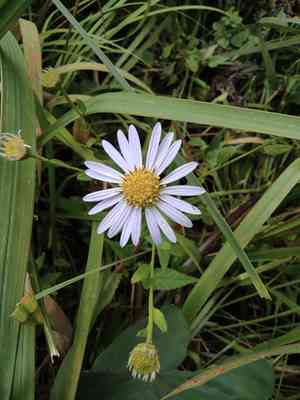
For indian aster, the ideal period for relocation spans from the onset of early spring's warmth through the vibrant start of summer. Select a location that receives abundant sunshine and possesses soil with good drainage. Incorporating a small amount of compost during the transplanting process can foster vigorous development.
Preparations Required Before Relocating Indian Aster
Optimal Period for Moving Indian Aster?
The perfect time for relocating indian aster extends from the end of winter's chill to the peak of spring. Moving indian aster then encourages strong root development before the summer heat. Utilizing this timeframe for indian aster ensures it benefits from cool, damp soil, boosting its adaptability and growth. A helpful tip: this approach gives indian aster a head start, lessening transplant shock and promoting vigorous growth!
Recommended Spacing Between Indian Aster Plants?
Greetings, gardening enthusiast! For your lovely indian aster, you'll want to provide ample room to thrive. Aim to position them approximately 18-24 inches (45-60 cm) apart. This will allow their roots to spread out without competing for nutrients – consider it giving each plant its own personal space to flourish!
Best Soil Blend for Indian Aster Relocation?
To create an ideal environment for your indian aster, select well-draining soil abundant in organic material. Prior to planting, incorporate some compost or a balanced slow-release fertilizer to give your indian aster a robust beginning. Happy planting!
Where to Replant Your Indian Aster?
Your indian aster will adore basking in the sun! Locate a garden spot that receives at least 6 hours of daily sunlight. An area with morning sun and afternoon shade is perfect to keep your indian aster vibrant and healthy. Let the sunshine in!
Equipment to Prepare Before Transplanting Indian Aster?
Gardening Gloves
To safeguard your hands while handling soil and plants.
Shovel or Spade
For excavating the plant and the new planting site.
Hand Trowel
Useful for detailed tasks, such as separating roots or digging smaller holes.
Watering Can
To hydrate the indian aster before and after its relocation.
Pruning Shears
To remove any dead or damaged leaves and roots.
Garden Fork
For loosening the soil around the plant's root mass.
Wheelbarrow or Planting Tray
For moving the indian aster from its original spot to the new planting location.
Soil Amendment
Based on soil analysis, to enhance soil structure and fertility.
Mulch
To aid in retaining soil moisture and regulating soil temperature after transplanting.
Rooting Hormone (optional)
To stimulate root development in more challenging transplanting scenarios.
How to Extract Indian Aster from the Soil?
How to Extract Indian Aster from the Soil?
From Ground: Water the indian aster thoroughly the day before to ensure the soil is moist, facilitating easier digging. Carefully dig around the plant and gradually work your way beneath the root ball, keeping it as intact as possible. Gently lift the plant out of the ground.From Pot: Start by watering the indian aster to help the roots detach from the pot. Tilt the pot and tap its sides to loosen the root ball. Gently slide the plant out, supporting the root ball with your hand.From Seedling Tray: Lightly water the seedlings to moisten the soil. Use a hand trowel or your fingers to carefully lift individual plants by their leaves, not stems, to prevent damage. Gently separate the roots if they are densely intertwined.
Step-by-Step Guide for Relocating Indian Aster
Transplant Timing
Schedule your transplanting for a cool, overcast day or in the late afternoon to minimize stress on the indian aster.
Hole Preparation
Excavate a hole twice the width of your indian aster's root ball and of equal depth. Loosen the soil at the bottom of the hole with a garden fork.
Plant Placement
Position the indian aster in the center of the hole at the same depth it was originally growing. Ensure the root ball is level with the surrounding ground.
Soil Backfill
Gently refill the hole with soil around the root ball. Periodically press the soil down lightly with your hands to eliminate air pockets.
Watering In
After backfilling, thoroughly water the indian aster to settle the soil around the roots and help establish contact between the roots and the surrounding earth.
Mulching
Apply a layer of mulch around the base of the indian aster to help retain moisture and control weeds, keeping it a few inches away from the stem to prevent rot.
Support Installation
If the indian aster is tall or top-heavy, install stakes or supports at the time of planting to prevent wind damage or leaning.
Post-Transplant Care for Indian Aster
Observation
Regularly inspect the indian aster for signs of distress, such as wilting or discolored leaves, and address issues promptly.
Watering
Maintain consistent moisture in the soil around the indian aster for the initial few weeks until it's established; be careful not to overwater to avoid root rot.
Pruning
Remove any dead or damaged foliage to direct the indian aster's energy towards developing new growth.
Stabilizing
Adjust stakes or supports as the indian aster grows to ensure it remains upright and secure.
Resolving Common Issues with Indian Aster Transplantation.
When is the best time to transplant indian aster?
Transplanting indian aster is ideally done in early to late spring, allowing ample time for root establishment.
How much space should I leave between transplanted indian aster?
Provide indian aster with a generous space of about 18-24 inches (45-60 cm) to ensure proper growth and air circulation.
Why are the leaves of my transplanted indian aster wilting?
Wilting after transplanting may indicate shock or insufficient watering. Ensure adequate soil moisture and initially avoid direct midday sun.
How deep should I plant indian aster during transplanting?
The root ball of indian aster should be level with the surrounding soil surface—planting too deep can suffocate the roots.
What soil conditions benefit indian aster after transplantation?
Well-drained soil rich in organic matter supports indian aster post-transplant; compacted soil can hinder root growth.
How do I water indian aster after transplanting?
Water indian aster thoroughly after transplanting, then maintain consistent moisture, but avoid overwatering to prevent root rot.
What should I do if the transplanted indian aster isn't thriving?
Assess sunlight, water, and soil conditions. Check for signs of pests or diseases, and adjust care accordingly.
Can I use fertilizer on indian aster right after transplanting?
Wait 4-6 weeks before applying a balanced fertilizer to allow indian aster to settle and root systems to recover.
Is mulching beneficial for transplanted indian aster?
Mulch helps retain moisture, regulate soil temperature, and reduce weed competition, promoting better growth for indian aster.
How do I protect transplanted indian aster from frost?
Cover indian aster with frost cloth or straw during unexpected late spring frosts to shield the delicate foliage.



