How Much Sunlight Do Indian aster Need?
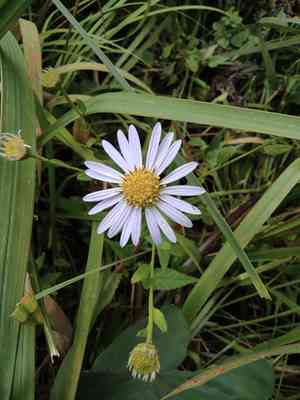
1
For optimal growth, Indian aster requires full sun exposure, meaning a minimum of six hours of direct daylight each day.
2
Too much direct sun exposure can lead to burn spots on the foliage of Indian aster.
3
Should Indian aster not receive sufficient light, it might show hindered development and produce fewer flowers.
Ideal Sunlight Requirements for Indian Aster
Optimal Light Levels
To ensure your Indian aster thrives and remains healthy, providing the correct amount of sun exposure is vital. This robust plant prefers full sun, meaning it should receive at least 6 hours of direct sunlight daily. Ideally, 6-8 hours would allow the plant to flourish and produce its stunning blossoms.
Daily Sunlight Needs
Ensure your Indian aster receives its daily sunlight, preferably in the morning when the sun's intensity is lower. Prolonged periods of direct sun, especially during the middle of the day, can be advantageous. If the plant does not get sufficient light, it might not bloom as profusely or could develop spindly growth.
Effects of Inadequate or Excessive Sun on Indian Aster
Indicators of Light Deficiency
Indian aster can be quite vocal in displaying symptoms of insufficient sunlight. You might observe the plant becoming leggy, characterized by elongated stems and sparse foliage. Furthermore, the quantity and quality of its flowers can significantly decrease, resulting in fewer blooms to admire.
Signs of Overexposure to Sun
While full sun is optimal, too much exposure to intense light can lead to problems. Watch for indicators such as scorched leaves with brown, crispy edges or overly rapid soil drying. If these signs appear, consider providing some afternoon shade to shield your Indian aster from the harshest rays.
Optimal Placement Strategies for Indian Aster
Selecting the Right Location
When positioning your Indian aster in your garden or containers, choose a spot that gets abundant morning sun. East-facing garden areas are perfect as they offer a balanced light exposure. Whether in the ground or a pot, ensure the chosen location isn't obstructed by nearby structures or trees.
Seasonal Adjustments
Indian aster might need relocation throughout the seasons due to changes in the sun's angle and strength. During summer, you may need to provide some shade during the peak midday sun. Conversely, in winter, ensure it receives as much light as possible, possibly moving it to a brighter spot.
Enhancing Natural Light for Indian Aster
Utilizing Grow Lights
For indoor gardeners or those facing climatic constraints, supplementing natural light with grow lights can be beneficial. Position the Indian aster under full-spectrum grow lights for approximately 12-16 hours daily to effectively simulate natural sunlight.
Maximizing Indirect Illumination
If direct sunlight is limited, maximizing available indirect light can be helpful. Place the Indian aster near a bright window with filtered sunlight. Using sheer curtains can help diffuse the light, creating a comfortable environment for your plant to thrive without the risk of leaf burn.



