How to Propagate Indian aster?
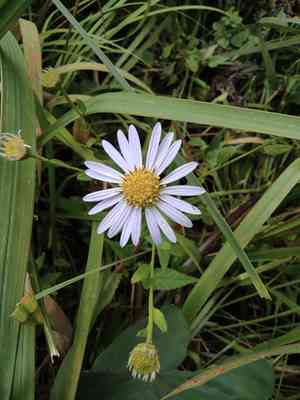
Indian aster flourishes when reproduced by seeding. To achieve successful development, utilize a growing medium that drains effectively and confirm the location receives abundant solar exposure. Plant the seeds superficially, as their depth influences sprouting; a thin layer of earth is adequate. Consistent irrigation to keep the soil damp, particularly during the early developmental stage, will aid in establishing robust root structures. Careful handling of young plants during relocation guarantees the fragile root network is safeguarded, encouraging improved adaptation to novel environmental settings.
Optimal Time for Indian Aster Propagation
Propagation Method
Seeding
Propagation Period
Spring
Tools for Indian Aster Propagation
Seed Trays
Seed trays are perfect for sowing indian aster seeds, enabling an organized start to the propagation process. The individual cells in these trays aid in even seed distribution, preventing overcrowding and ensuring each seed has sufficient room to develop. This setup promotes better air circulation and simplifies seedling management as they mature.
Peat Pots
Peat pots are advantageous for indian aster because their biodegradable composition minimizes root disturbance during transplanting. This is vital for preserving the delicate root systems of young plants. Peat pots also encourage stronger root growth as roots can naturally penetrate the pot walls, improving acclimatization when planted in the garden.
Fine Mist Spray Bottle
A fine mist spray bottle is crucial for gently watering indian aster seeds. The fine mist delivers the precise amount of moisture needed for seed germination without dislodging soil or seeds, which is especially important for the tiny seeds of indian aster that could otherwise be washed away by heavier watering methods.
Horticultural Perlite
Incorporating horticultural perlite into the planting medium enhances drainage and aeration, creating an ideal germination environment for indian aster. Perlite helps maintain balanced soil moisture, which is critical for the germination and robust growth of indian aster seedlings, preventing soil compaction and fostering root development.
How to Propagate Indian Aster?
Propagation Type
Simple
Caring for Newly Propagated Indian Aster
Caring for Newly Propagated Indian Aster
After propagating indian aster, it's important to ensure plants receive sufficient water, especially during dry spells, to encourage healthy growth. Place them in a location with full to partial sunlight. Regularly inspect for pests and diseases, treating them as needed. During the growing season, apply a balanced fertilizer to support blooming and overall plant health.
Common Errors to Avoid When Propagating Indian Aster
Overwatering
Excessive watering of indian aster can lead to root rot due to the plant's preference for well-drained soil. Too much moisture at the roots not only hinders healthy development but also increases susceptibility to fungal infections, potentially destroying the young plants.
Deep planting
Planting indian aster cuttings or seeds too deeply can restrict oxygen access and impede germination or root formation. This error can result in a lower propagation success rate as new shoots struggle to emerge through the soil surface.
Ignoring hygiene
Failing to sterilize tools or using contaminated soil when propagating indian aster can introduce pathogens to the cuttings or seeds. This oversight may lead to diseased plants, poor growth, or even the failure of the propagation process.
Using old seeds
Employing old indian aster seeds for propagation typically results in reduced germination rates. As seed viability diminishes over time, old seeds can lead to unsuccessful germination, wasting both time and resources.
Tips for Propagating Indian Aster
Use fresh medium
Using a fresh, sterile potting mix when propagating indian aster helps prevent disease and supports robust root development. This practice promotes a higher survival rate and optimal growth in new plants.
Appropriate depth
Indian aster seeds or cuttings should be planted at a shallow depth, just enough to allow adequate light exposure, which is vital for effective germination and rooting. This practice ensures greater propagation success.
Moderate watering
Providing moderate watering to indian aster propagules until they are established prevents over-saturation and maintains necessary moisture levels without compromising root health. It balances hydration needs with drainage requirements.
Maintain humidity
Keeping a humid environment for indian aster cuttings helps prevent them from drying out. Using a humidity dome or a plastic cover can create a mini-greenhouse effect, supporting better rooting.



