How to Prune Indian aster?
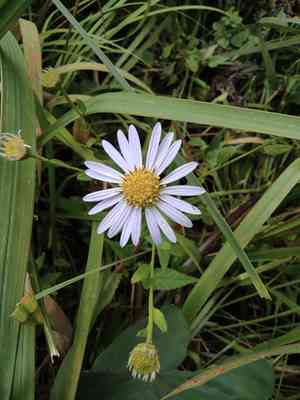
This herbaceous perennial, recognized for its vivid, daisy-like blossoms, indian aster thrives with consistent trimming. For peak development, trim in spring to foster a denser form, and remove spent blooms throughout summer to encourage ongoing flowering. Removing aged stems post-bloom preserves plant health and visual appeal. Refrain from cutting back in autumn to guarantee its survival through the colder months. Trimming improves air movement and deters ailments, which are vital for indian aster's robustness and floral exhibition.
Advantages of Trimming Indian Aster
Advantages of Trimming Indian Aster
Trimming indian aster promotes robust development by eliminating old or congested stems, enhancing air movement and light penetration. It also preserves the plant's desired form, boosting its visual appeal in a garden setting.
Optimal Time for Trimming Indian Aster
Optimal Time for Trimming Indian Aster
Trimming indian aster during Spring and early Summer aligns with its active growth period, typically after the last frost when the plant starts producing new shoots. This timing allows gardeners to shape the plant and encourage denser growth before its full energy is directed towards flowering. Spring pruning facilitates healthy development and revitalization, as the plant can quickly recover from cuts due to vigorous growth. During early Summer, pruning can be beneficial for removing spent blooms or deadheading, which prompts indian aster to produce a second flush of flowers. It also helps prevent disease and pest infestations by improving air circulation within the plant's foliage. Pruning during the recommended seasons ensures that indian aster avoids unnecessary stress and has ample time to recuperate before entering its dormant phase in colder months.
Necessary Tools for Trimming Indian Aster
Hand Pruners
Perfect for cutting stems up to ¾ inch thick, hand pruners are ideal for deadheading and shaping indian aster. They create clean cuts that encourage healthy regrowth.
Pruning Shears
Best suited for shaping and maintaining the size of indian aster, pruning shears allow for precise removal of unwanted branches and creation of a desirable form.
Garden Scissors
These are appropriate for snipping soft, new growth or for detailed tasks like thinning out small, crowded areas within indian aster, ensuring good air circulation.
How to Trim Indian Aster
Identify
Examine indian aster for indications of disease or wilting on leaves and stems. Focus on the specific parts mentioned: diseased leaves, withered leaves, and diseased stems.
Sanitize
Disinfect your pruning tools with alcohol or a bleach solution to prevent the spread of disease during trimming.
Cut Diseased Leaves
Using your sterilized pruning shears, carefully remove any diseased leaves from indian aster, ensuring to cut at the base of the stem without harming healthy tissue.
Cut Withered Leaves
Remove withered leaves from indian aster to promote better air circulation and light penetration, which are crucial for plant health. Snip them at their base, but be careful not to damage new buds or leaves.
Cut Diseased Stems
Trim off any diseased stems on indian aster by cutting well below the affected area into healthy tissue to prevent the disease from spreading. Ensure cuts are clean and at a 45-degree angle to facilitate healing and water runoff.
Common Trimming Errors with Indian Aster
Overpruning
Trimming excessively can stress indian aster, leading to reduced flowering or even plant demise.
Improper cut location
Making cuts too far from a bud or node can result in unsightly dead stubs, while too close can harm buds.
Using dull tools
Dull pruning tools can damage indian aster by causing jagged cuts, which may lead to disease.
Ignoring diseased material
Not removing diseased or dead portions can allow infections to spread to the rest of indian aster.
Disregarding plant shape
Failing to consider the natural shape of indian aster can result in an unbalanced appearance and hinder growth.
Pruning in wet conditions
Trimming indian aster when wet can spread disease more easily between plants.
General Trimming Advice for Indian Aster
Sharp clean tools
Use sharp and sanitized pruning shears to make clean cuts that heal quickly, reducing the risk of disease.
Angled cuts
Make angled cuts just above a bud or node to direct new growth and prevent water accumulation, which could lead to rot.
Regular monitoring
Regularly check indian aster for dead, diseased, or damaged stems to remove them promptly, improving overall health.
Thin center
Thin out the center of indian aster to allow light and air circulation, encouraging inner growth and reducing disease risk.
Cutting height
When cutting back indian aster, leave a few inches of stem above the ground to promote healthy regrowth.
Follow natural shape
Trim indian aster following its natural shape to maintain an aesthetically pleasing form and promote stronger, more resilient growth.



